

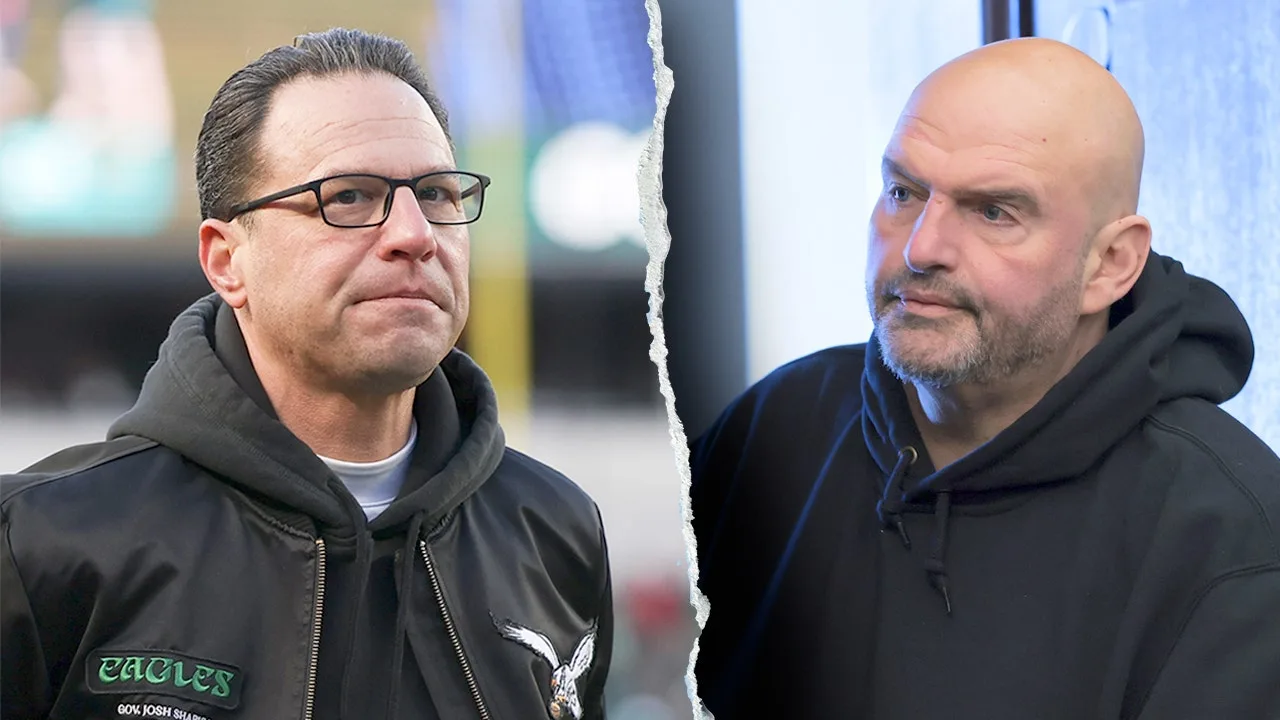
Pennsylvania Governor Josh Shapiro has pushed back against a report suggesting a breakdown in his relationship with Senator John Fetterman.
According to Daljoog News analysis, Shapiro’s remarks reflect an effort to cool speculation about Democratic infighting in a battleground state where party unity could prove decisive in future election cycles.
Speaking on This Week, Shapiro dismissed a recent report from The New York Times that claimed the two Pennsylvania Democrats “don’t speak.”
What Happened?
During a Sunday appearance on ABC, host Martha Raddatz asked Shapiro about the article describing tension between him and Fetterman.
Shapiro rejected the premise, calling the report inaccurate and suggesting it overstated internal disagreements to create political drama.
When pressed on whether he would back Fetterman if the senator seeks re-election, Shapiro avoided a direct endorsement. He said Fetterman must first decide whether he intends to run before any support discussions take place.
Shapiro characterized their working dynamic as constructive, while acknowledging policy differences. He noted that they have disagreed on certain votes and positions but emphasized that both remain focused on serving Pennsylvania residents.
The exchange comes after Fetterman earlier declined to endorse Shapiro for re-election during a separate media appearance. That moment drew attention given the pair’s shared prominence within state Democratic politics.
Why This Matters
Pennsylvania remains one of the most competitive states in national elections. Any perception of division between high-profile Democrats draws scrutiny from party strategists and political observers.
Shapiro is widely viewed as a rising national figure within the Democratic Party. Fetterman, meanwhile, has built a brand that often defies traditional party lines, including support for some bipartisan initiatives.
Reports of tension between the two figures have circulated before. In his memoir, Fetterman described a heated disagreement with Shapiro dating back to a 2020 parole board dispute. That episode reportedly strained their relationship during a period when both were considering statewide campaigns.
Political relationships in swing states carry national implications. Even minor disagreements can become amplified narratives in the broader partisan environment.
What Analysts or Officials Are Saying
Shapiro framed the relationship as professional, even if not always aligned on policy. He stressed that serving Pennsylvania voters remains his primary responsibility.
Fetterman has not directly responded to Shapiro’s latest remarks. However, he has previously indicated that while he respects Shapiro’s service, he does not feel compelled to offer blanket endorsements.
Political analysts note that strategic ambiguity can serve both leaders. By avoiding early endorsements, each preserves flexibility as future electoral cycles approach.
Observers also point out that public disagreements do not necessarily translate into legislative dysfunction. Pennsylvania’s federal and state offices operate separately, limiting direct overlap in daily responsibilities.
Daljoog News Analysis
This episode highlights how political narratives can escalate quickly in a high-stakes state.
Shapiro’s swift dismissal of the reported rift suggests he recognizes the risks of perceived division. In battleground states, unity messaging often carries as much weight as policy positions.
At the same time, the lack of mutual endorsements signals calculated positioning. Both men command distinct constituencies within the Democratic coalition. Maintaining independence may strengthen each figure’s appeal with different voter segments.
The broader story is not necessarily about personal conflict but about strategic distance. As national attention intensifies ahead of future cycles, Pennsylvania leaders are managing both governance and optics.
Political observers should also note that public denials alone rarely end speculation. Relationships between ambitious statewide leaders naturally attract scrutiny, especially when both have potential national trajectories.
What Happens Next
Fetterman must first clarify whether he plans to seek another Senate term. That decision will shape endorsement dynamics and party strategy across Pennsylvania.
If he runs, pressure will likely mount on Shapiro to publicly declare support. If he declines, speculation about alternative candidates could emerge quickly.
For now, both leaders appear focused on their respective offices. Yet the political calendar never truly pauses in a swing state.