


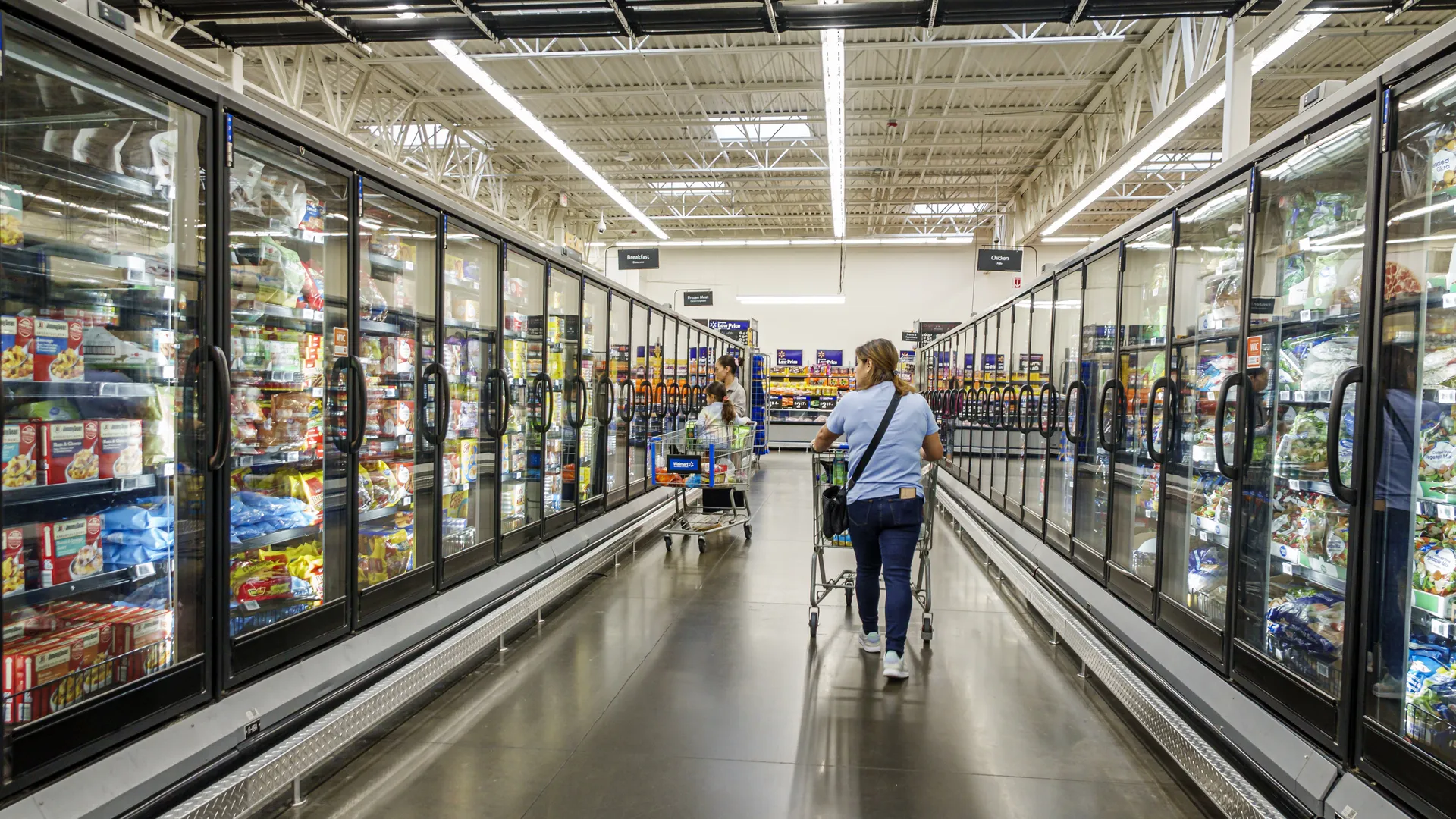
The Supreme Court temporarily blocked a lower court order requiring the Trump administration to provide full federal food benefits to roughly 42 million Americans. Justice Ketanji Brown Jackson issued the temporary pause on Friday to allow a federal appeals court more time to review the administration’s request for extended relief.
The decision came as the administration approached a deadline set by a district court to deliver full food assistance for November. The order also required the use of roughly $4 billion from other nutrition programs to cover payments. The U.S. Court of Appeals for the 1st Circuit had previously maintained the lower court’s ruling before the Justice Department sought emergency relief from the Supreme Court.
Jackson noted that her brief order would “facilitate the First Circuit’s expeditious resolution” of the Trump administration’s request. She urged the appeals court to handle the motion promptly.
The Trump administration said it had already used more than $5 billion from a contingency reserve, which could cover only partial food assistance. Providing full SNAP benefits would require tapping an additional $4 billion intended for Child Nutrition Programs, potentially affecting millions of children who rely on school meals. Solicitor General D. John Sauer said diverting these funds could jeopardize essential child nutrition programs funded by Congress.
Earlier, the USDA notified states that it was preparing to comply with the district court’s order for full payments. However, due to the limited funds, only partial SNAP payments could be distributed for November, and it could take weeks for the money to reach recipients.
The dispute began after cities and nonprofit organizations sued the USDA, citing the government shutdown and the lapse in SNAP payments. U.S. District Judge John McConnell then ordered the administration to use contingency funds to provide food aid immediately. The administration complied but warned that the reserve would not cover full payments.
McConnell later accused the government of undermining his order, pointing to a social media post by President Trump suggesting that benefits would only be distributed once the government reopened. The judge said statements by administration officials indicated food benefits were being withheld for “political purposes.”
In its emergency appeal, the Justice Department argued that the lower court’s ruling violated the separation of powers and would force the diversion of billions from other critical programs. Lawyers noted that transferring funds for SNAP under the district court’s order could disrupt ongoing political negotiations and extend the shutdown, causing broader problems for safety-net programs.
Plaintiffs representing cities and nonprofits argued that delaying full payments would cause harm to millions of Americans relying on SNAP. They urged the appeals court to prevent the administration from further postponing vital food assistance.
The Supreme Court’s temporary pause gives the federal appeals court time to resolve the matter while the Trump administration continues to manage SNAP payments during the ongoing government shutdown.