


U.S. President Donald Trump is facing renewed criticism over an expensive White House renovation plan, now complicated by legal challenges and security concerns. The controversy has intensified following details about a proposed ballroom project linked to a secret underground facility.
According to Daljoog News analysis, the project is no longer just about aesthetics or expansion. It has evolved into a debate over transparency, national security justification, and the limits of presidential authority in modifying federal property.
The issue comes at a sensitive political moment, with heightened scrutiny on government spending and infrastructure decisions tied to executive power. The outcome could set a precedent for future administrations.
What Happened?
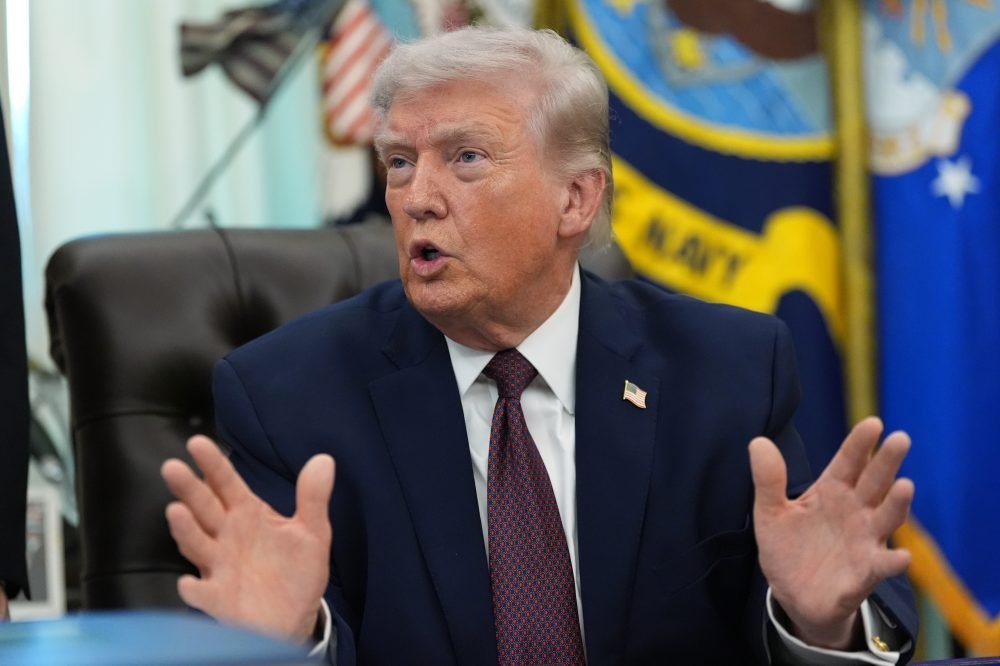
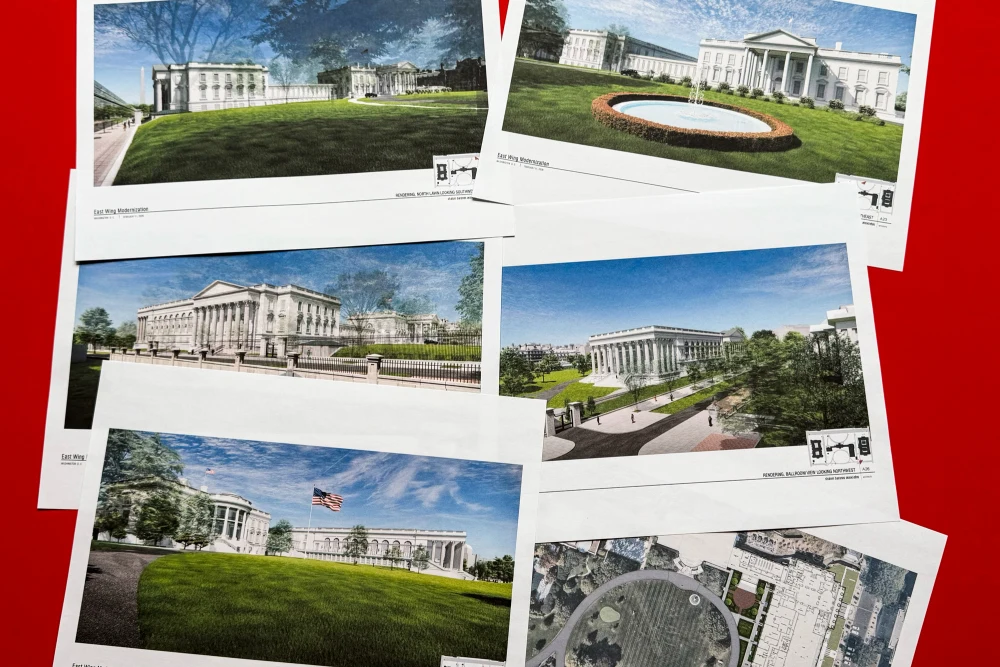
President Donald Trump recently defended plans to construct a massive ballroom at the White House, estimated to span around 900,000 square feet. The proposal quickly drew public and political backlash due to its scale and cost.
However, the narrative shifted when the president revealed that the ballroom would serve a dual purpose. Speaking to reporters aboard Air Force One, he described the structure as a protective cover for a highly classified underground facility.
According to his explanation, the subterranean complex would include a bomb-resistant bunker designed to withstand advanced attacks. It would also feature a fully equipped medical center capable of handling emergencies, along with secure communication systems.
The facility is reportedly designed to counter biological threats as well, incorporating specialized protection measures rarely disclosed in public discussions. The ballroom above would act as a shield, offering an additional layer of defense against drone strikes and other aerial threats.
The upper structure itself is expected to include reinforced materials, such as high-grade bulletproof glass, adding to its defensive capabilities.
Despite these claims, many aspects of the project remain unclear. Key details about funding, construction timelines, and the agencies involved have not been publicly confirmed.
Why This Matters
The controversy surrounding the White House renovation goes beyond architecture. It raises fundamental questions about how national security projects are justified and communicated to the public.
If the underground facility is as critical as described, it suggests a shift in how the U.S. government is preparing for modern threats, including drones and biological risks. That would mark a significant evolution in executive infrastructure planning.
At the same time, the lack of transparency fuels skepticism. Critics argue that large-scale projects tied to national security can be used to bypass standard oversight mechanisms.
The debate also touches on public spending priorities. At a time when economic pressures remain a concern, high-cost government projects are likely to face intense scrutiny from both lawmakers and citizens.
The issue could influence broader discussions about federal accountability and the balance between secrecy and democratic oversight.
What Analysts or Officials Are Saying
Legal experts point out that modifications to the White House are subject to strict regulatory frameworks, even when national security is cited. The current legal challenges suggest that not all justifications presented by the administration have been accepted.
Court filings indicate that government representatives have attempted to argue the necessity of the ballroom project, linking it directly to security enhancements. However, early indications suggest that the court has questioned several of these arguments.
Analysts believe the skepticism stems from inconsistencies in how the project has been described. While the administration emphasizes security, critics see elements that appear more aligned with prestige or legacy-building.
Officials have also remained cautious in public statements, avoiding detailed confirmation of the underground facility’s capabilities. This silence has only intensified speculation.
Daljoog News Analysis
The White House ballroom controversy highlights a recurring challenge in modern governance: how to justify secretive security measures in a transparent political system.
President Donald Trump appears to be blending two narratives—national security and high-profile construction—in a way that invites both support and criticism. While the security argument may hold weight, the scale and presentation of the project complicate its credibility.
There is also a strategic communication issue. By revealing details of a supposedly classified underground facility, the administration risks undermining its own security rationale. At the same time, withholding too much information invites legal and political resistance.
This tension reflects a broader trend where infrastructure projects tied to security are increasingly politicized. Decisions that might once have remained behind closed doors are now subject to public debate and legal scrutiny.
Daljoog News analysis suggests that the administration’s approach may ultimately hinge on its ability to clearly separate genuine security needs from perceived excess. Without that clarity, opposition is likely to grow.
What Happens Next
The legal challenges surrounding the ballroom project are expected to continue, with courts playing a key role in determining whether construction can proceed. Any ruling could have lasting implications for executive authority over federal property.
Meanwhile, lawmakers may push for greater transparency, potentially demanding detailed briefings on the underground facility and its purpose. This could lead to further political debate in Congress.
If the project moves forward, it may undergo modifications to address legal and public concerns. Alternatively, parts of the plan could be delayed or scaled back depending on judicial outcomes.
Observers will also be watching how the administration handles communication going forward. Clearer messaging could ease tensions, while continued ambiguity may deepen controversy.
The situation remains fluid, but one thing is clear: this is no longer just a construction project—it is a test of governance, accountability, and trust.