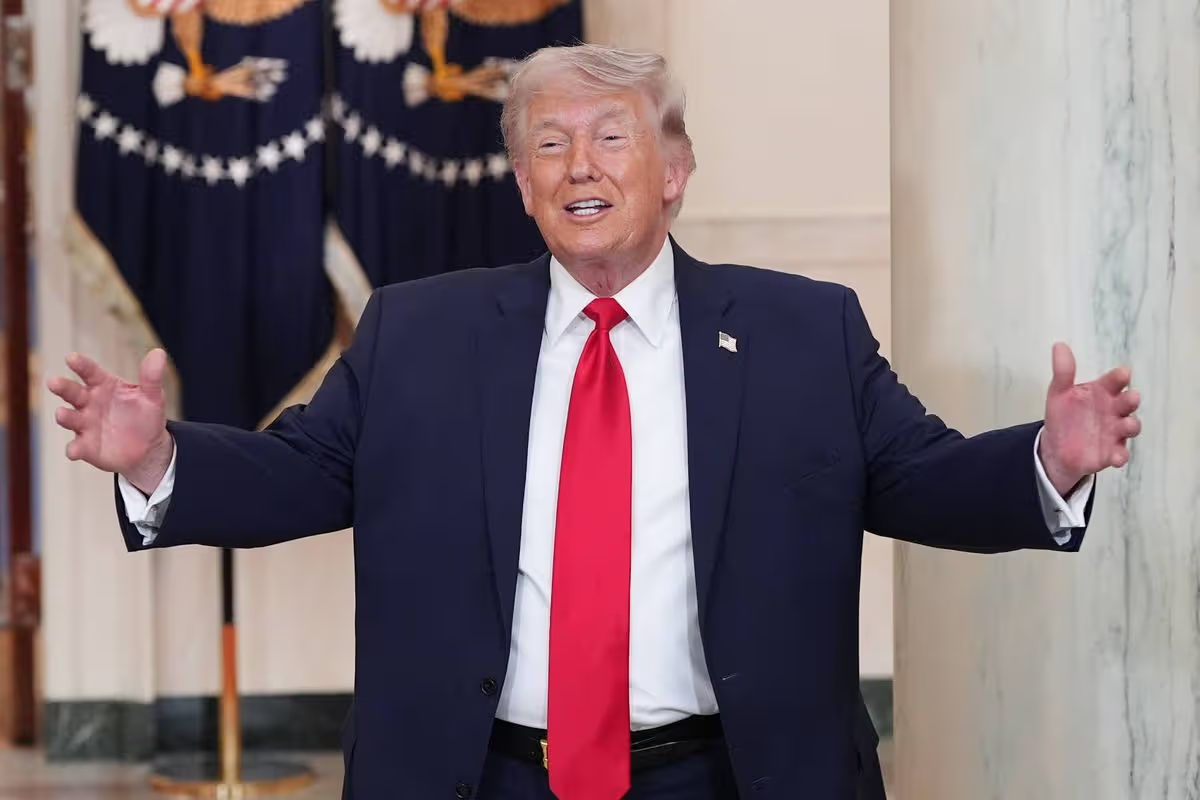


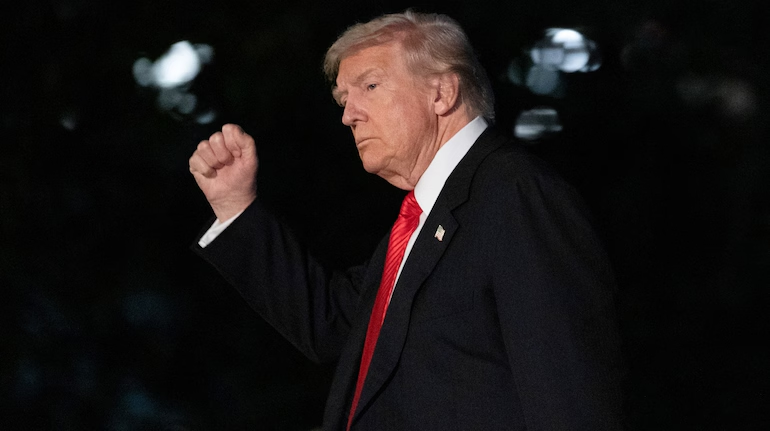
Questions about the future of US leadership are gaining attention as Donald Trump approaches his 80th birthday this June. Trump is serving his second term as the oldest president in American history, prompting speculation about the continuity of leadership.
According to Daljoog News analysis, the issue is not merely theoretical. Concerns over age, health, and the intense political pressures of ongoing crises have made succession planning a topic of serious discussion within US political circles.
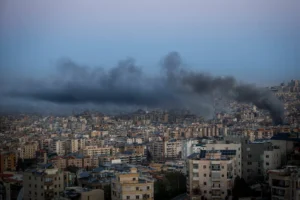
Amid the ongoing conflict with Iran, these concerns are heightened. Trump’s inability to achieve decisive outcomes in a war that has now lasted 37 days underscores the complex demands on the nation’s highest office and the importance of clear constitutional protocols.
What Happened?
Under the US Constitution, if a sitting president dies, becomes incapacitated, or is otherwise unable to fulfill duties, power immediately transfers to the vice president. No additional election or procedural delay is required.
Currently, this means that if Trump were unable to continue in office, Jeddis would assume the presidency and serve out the remainder of Trump’s term. This automatic succession ensures continuity of leadership, even in times of crisis.
Media outlets, including the Mirror, have emphasized that the succession plan is straightforward and well-established, highlighting the resilience of constitutional mechanisms in the United States.
Why This Matters
The discussion is significant because Trump is not only the oldest US president but also leading during a time of international tension. The ongoing conflict with Iran presents both political and operational challenges that require consistent, effective leadership.
Succession clarity matters for both domestic governance and global stability. Allies and adversaries alike monitor leadership continuity to assess US responses in crises. Any uncertainty could have far-reaching consequences for diplomacy, military strategy, and international markets.
What Analysts or Officials Are Saying
Political analysts note that succession planning is an essential safeguard in any democracy, particularly when a leader faces age-related vulnerabilities or extraordinary stressors. Officials stress that the vice president is constitutionally empowered to take over instantly, preserving executive authority without interruption.
Some observers suggest that the focus on succession also reflects broader concerns about Trump’s ongoing capacity to navigate high-stakes conflicts effectively. Leadership transitions in such scenarios must be seamless to maintain national credibility and operational continuity.
Daljoog News Analysis
The situation illustrates the balance between individual leadership and institutional stability. While Trump remains in office, the US system has built-in safeguards that prevent a leadership vacuum. This ensures the country can respond decisively, even under pressure.
Daljoog News highlights that the attention on succession is less about personal health and more about strategic preparedness. In a period of military engagement and political polarization, clear protocols help maintain both domestic governance and international confidence.
The current conflict with Iran serves as a reminder that presidential decision-making is closely scrutinized, and the vice president’s role is not merely ceremonial but vital in maintaining continuity if the unexpected occurs.
What Happens Next
As Trump approaches 80, both his health and strategic choices will remain under observation. The vice president’s readiness to assume power at a moment’s notice will continue to be a key element in US political stability.
The ongoing Iran conflict may influence decisions and priorities in the coming weeks. Any escalation or crisis will test the resilience of constitutional succession and the ability of US leadership to respond effectively under pressure.
Ultimately, the constitutional framework ensures that the US presidency remains uninterrupted, providing continuity and stability even in extraordinary circumstances.