

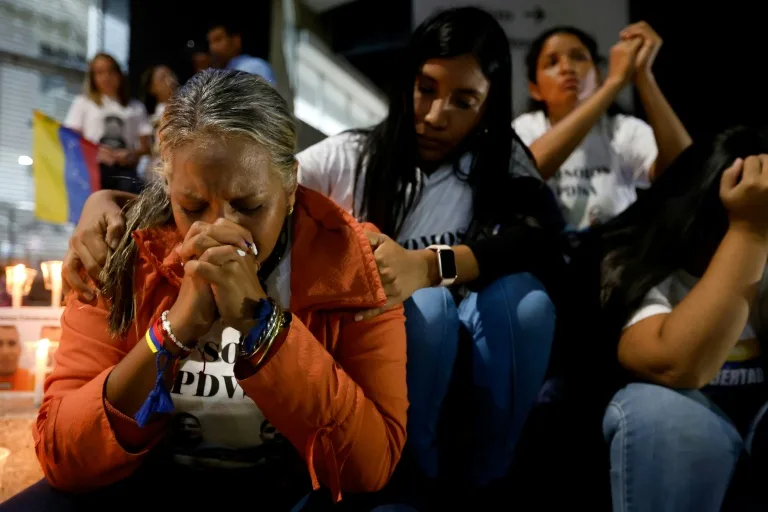
Families gathered outside prisons across Venezuela on Friday, hoping a newly passed amnesty law would free relatives detained during the rule of former president Nicolas Maduro. The law, approved unanimously by the National Assembly, followed Maduro’s removal in a US-backed operation earlier this year.
According to Daljoog News analysis, while the legislation signals a political reset under interim authorities, its exclusions have created fresh uncertainty for hundreds of detainees and their families.
The measure arrives at a fragile moment. Venezuela is navigating a leadership transition under interim President Delcy Rodriguez, while opposition forces and civil society groups debate whether the amnesty will deliver justice or deepen divisions.
What Happened?
Venezuela’s National Assembly adopted a broad amnesty bill designed to release political prisoners and ease tensions after years of repression.
The law offers potential relief to hundreds detained on charges linked to anti-government protests, alleged coup plots, and political dissent. Since Maduro’s removal on January 3 and transfer to New York to face drug trafficking and other charges, authorities say several detainees have already been granted conditional release.
However, rights group Foro Penal estimates that roughly 650 individuals remain behind bars.
The legislation excludes people accused of promoting or facilitating armed actions involving foreign actors. It also bars members of the security forces convicted of terrorism-related crimes from automatic coverage.
Those carveouts have drawn criticism from opposition figures who argue that such charges were often used under Maduro to silence critics.
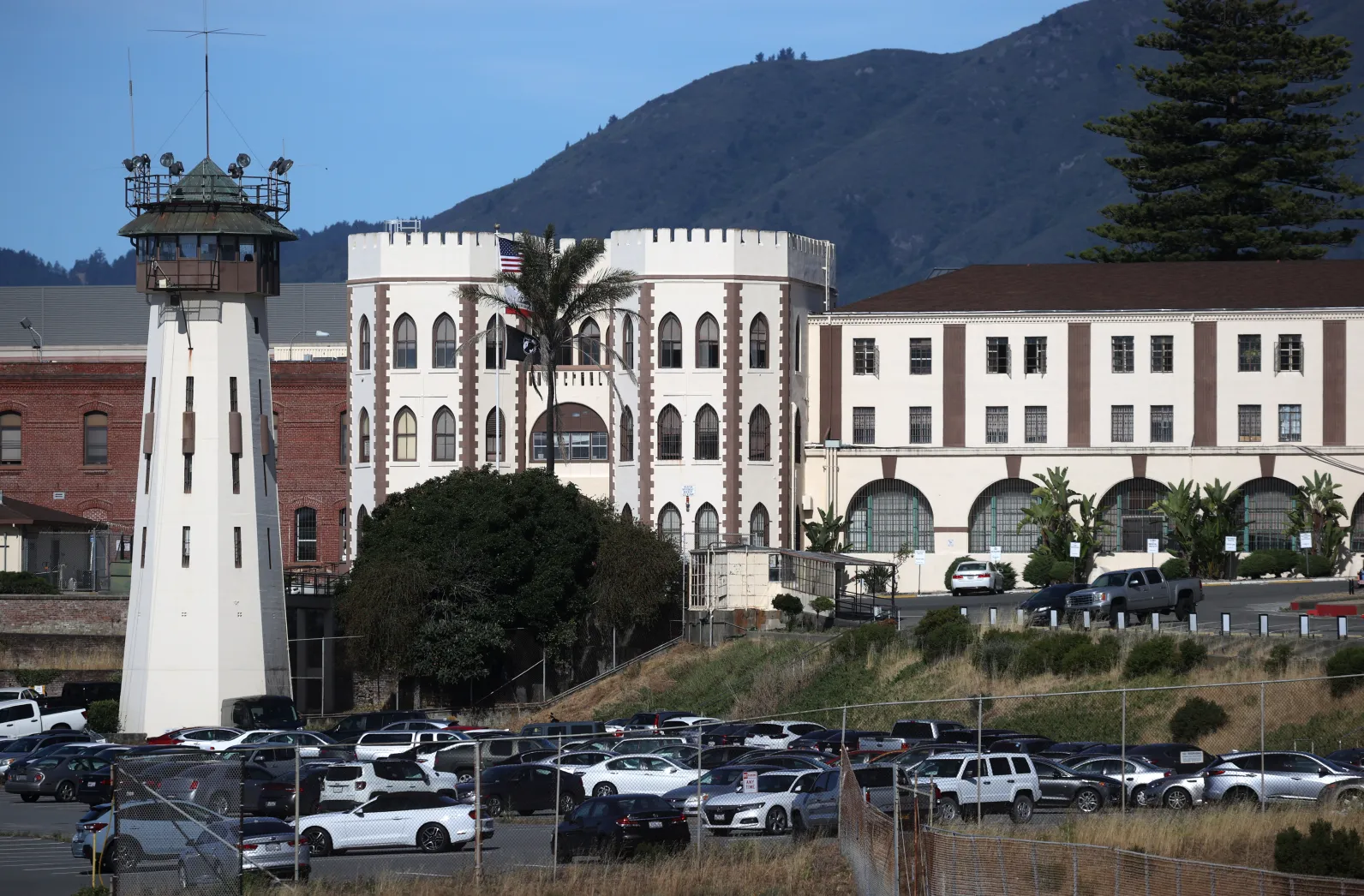
Outside Rodeo 1 prison near Caracas, relatives waited anxiously. Some detainees are former soldiers accused of involvement in a failed drone attack against Maduro in 2018.
National Assembly deputy Jorge Arreaza indicated that military justice authorities would handle cases involving armed forces personnel and could grant benefits where appropriate.
Why This Matters
The amnesty law represents the first major legislative step by interim authorities seeking to stabilize the country after years of political turmoil.
For families of detainees, the stakes are deeply personal. Many have spent weeks camping outside prisons, hoping for official confirmation that their loved ones will be freed.
Yet the law’s limitations raise concerns about selective justice. If large categories of prisoners remain excluded, critics warn that reconciliation efforts could stall.
The broader context is equally complex. Venezuela’s political crisis intensified after disputed elections in 2024, in which opposition groups claimed fraud and alleged that exiled leader Edmundo Gonzalez Urrutia was the rightful winner.
The country now faces the challenge of rebuilding institutions while addressing grievances accumulated over more than a decade of authoritarian rule.
What Analysts or Officials Are Saying
Foro Penal director Alfredo Romero has cautioned that amnesty is not automatic. Courts must process cases individually, and Venezuela’s judiciary has long faced accusations of political influence.
Interim President Rodriguez defended the law on state television, presenting it as part of a broader effort to build a more democratic and just society.
Opposition voices remain divided. Juan Pablo Guanipa, an ally of Maria Corina Machado, announced he was fully free after a period of detention and house arrest. He called for all political prisoners to be released and for exiles to return safely.
At the same time, rights advocates warn that a poorly structured amnesty could shield past abuses. They argue that reconciliation must balance forgiveness with accountability.
International observers are also watching the evolving relationship between Caracas and Washington. US President Donald Trump has backed the interim leadership, while the United States has assumed control over Venezuelan oil sales under a new arrangement that promises shared revenues.
Daljoog News Analysis
The amnesty law is both a promise and a test.
On paper, it signals a break from years of mass detentions and politically motivated prosecutions. In practice, its exclusions may limit its impact.
By excluding those accused of armed collaboration with foreign actors, the government leaves room to retain leverage over high-profile opposition figures. The same applies to cases involving former security officials.
This approach may aim to prevent instability within the armed forces while meeting international partners’ demand for legal continuity.
However, reconciliation without transparency risks deepening mistrust. Families waiting outside prisons do not see legal nuance; they see names that remain absent from release lists.
The interim leadership must also manage economic recovery. Control over oil revenues provides temporary breathing space, but political legitimacy depends on visible progress in restoring rights.
What Happens Next
Implementation will determine whether the amnesty law delivers real change.
Courts are expected to begin reviewing cases in the coming days. Delays could trigger renewed protests by families and rights groups.
Opposition leaders will likely push for broader inclusion and guarantees for exiles seeking to return. International partners may tie future economic cooperation to measurable reforms.
The fate of hundreds of detainees now rests not only on legislation but on political will.
Venezuela stands at a crossroads. A transparent and inclusive amnesty process could mark the start of national healing. A selective or stalled rollout could reopen wounds that have yet to close.