


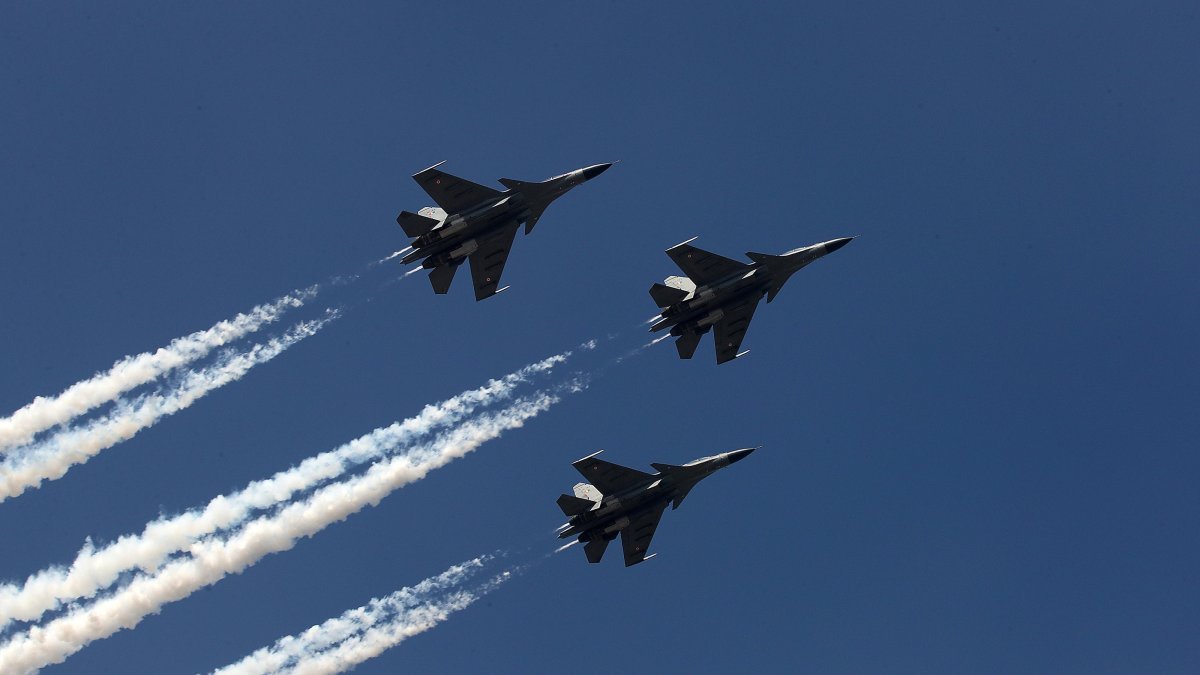
Iran is set to strengthen its military capabilities with the acquisition of 48 advanced Russian-made fighter jets, raising concerns about regional security in the Middle East. The deal, reportedly worth €6 billion, involves the Sukhoi Su-35 generation fighter jets and is part of a broader strategic partnership between Tehran and Moscow.
According to reports, Russia is expected to deliver the required technology to Iran between 2024 and 2026, with the full fleet anticipated to be operational in Iranian hands by 2026–2028. Some sources suggest that Russian technical teams may work directly in Iran to assemble the aircraft under the supervision of Iran’s Aviation Industries Organization.
Earlier reports indicate that Iran has already received some Russian-made MiG-29 jets, and the addition of Su-35 fighters would mark the largest military procurement deal for the country in decades. Analysts say this move deepens Tehran’s strategic ties with Moscow and strengthens Iran’s regional military position.
The announcement comes amid heightened tensions with Israel. Israeli Prime Minister Benjamin Netanyahu has warned that any aggressive action by Iran will be met with unprecedented retaliation. Israel’s Defense Forces (IDF) Chief, Yaal Jamir, confirmed that the country is prepared for sudden military operations against Iran if necessary.
Experts note that while Iran’s new fighter jets will significantly boost its air force capabilities, they also create a strategic challenge for Israel and other neighboring countries. The aircraft could enhance Iran’s air defense and power projection, potentially altering the balance of power in the region.
The deal has drawn attention from Western observers. Analysts say that if Iran assembles the jets domestically with Russian technical assistance, it will not only acquire the aircraft but also gain critical knowledge for future indigenous production, further enhancing its long-term military autonomy.
Israel remains vigilant despite Iran’s growing capabilities. Netanyahu and IDF officials continue to emphasize readiness for any threat posed by Tehran. They argue that maintaining a technological and strategic edge is essential to counter potential aggression.
Iranian lawmakers have confirmed that the country is gradually expanding its air fleet with the Russian Su-35 jets. The phased delivery will allow Iran to integrate the aircraft effectively, train pilots, and develop support infrastructure.
The acquisition is part of a broader trend of Iran seeking to modernize its military and strengthen ties with Moscow amid ongoing geopolitical tensions in the Middle East. Analysts suggest that such cooperation also signals a growing alignment between Iran and Russia on strategic and defense issues.
If completed, the Su-35 procurement deal would not only enhance Iran’s combat capabilities but also solidify its position in regional deterrence and military strategy. The jets are expected to be deployed alongside existing MiG-29 aircraft, creating a more capable and flexible air force.
Observers warn that the deal could heighten tensions between Iran and its adversaries, particularly Israel. Both nations remain on high alert, with military officials preparing for contingencies and emergency response plans.
Western intelligence sources view the procurement as part of Iran’s long-term strategy to maintain a strong military posture despite sanctions and diplomatic pressures. The Su-35 jets, combined with other Iranian air defense systems, would give Tehran a significant air superiority edge in regional conflicts.
The phased introduction of Russian fighter jets into Iran’s air force represents a major shift in Middle East military dynamics. Analysts say that by 2026–28, Iran could emerge as one of the region’s most capable air powers, challenging conventional assumptions about strategic balance.