


Russia is preparing a major strike on power lines connected to Europe’s largest nuclear power plant, according to a source familiar with the situation. The attack could happen within days and may target key electricity lines that support nuclear safety systems in southern Ukraine.
Ukrainian officials say the plan does not involve direct strikes on nuclear reactors. Instead, the focus appears to be on high‑voltage transmission lines that provide external power to the Zaporizhzhia Nuclear Power Plant. Even though the reactors are not producing electricity, the plant still depends on these power lines to run cooling and safety systems.
On January 17, Ukraine’s military intelligence agency warned that Russia was considering attacks on critical energy substations. These substations help keep nuclear plants operating safely. Officials said the goal would be to weaken Ukraine’s energy system and pressure the country into accepting harsh demands to end the war.
A source said the main threat is now focused on Zaporizhzhia. The source added that discussions inside the Ukrainian government suggest a large‑scale strike could happen at night or over several days. The source said these warnings have come up before and are taken seriously at the highest levels.
Zaporizhzhia Nuclear Power Plant has been under Russian control since March 2022. It is located in southern Ukraine and has six large reactors. While the reactors are shut down, the plant still needs steady outside power to keep fuel cool and avoid dangerous overheating.
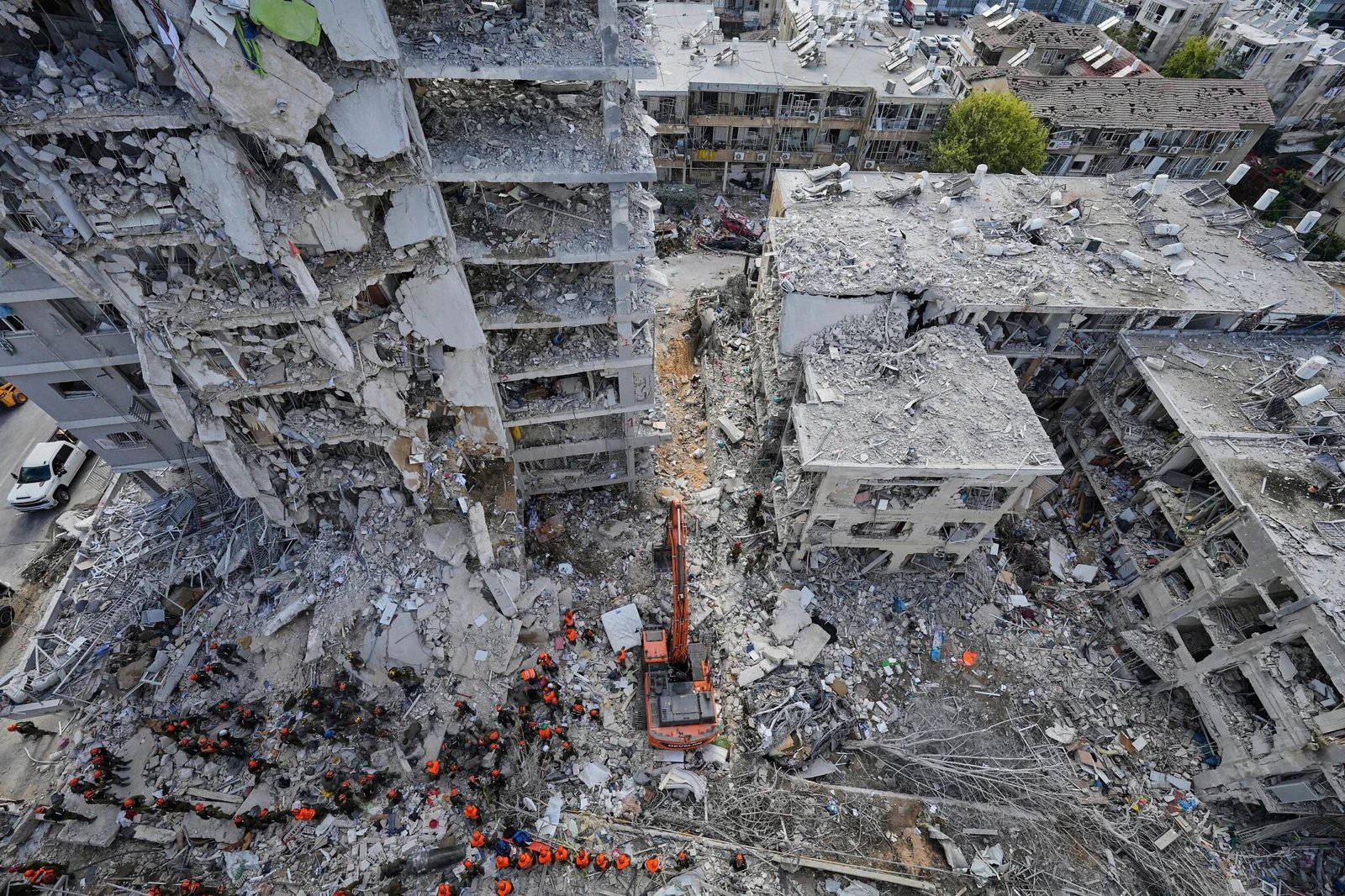
Recent attacks on energy sites in southern Ukraine have increased concern. Emergency officials reported damage to power infrastructure in coastal regions, adding stress to an already fragile electricity network. Experts say repeated strikes raise the risk of long‑term outages and safety failures.
Nuclear safety groups have warned many times that damage to external power lines is one of the biggest dangers facing nuclear plants during war. Losing outside electricity forces plants to rely on backup generators, which are not designed for long‑term use.
Earlier this month, Russia and Ukraine agreed to a short ceasefire to repair one damaged backup power line at the plant. The agreement allowed repair crews to work under international supervision. Officials said the pause helped reduce immediate risk, but warned the situation remains unstable.
International nuclear officials said continued fighting threatens the entire power grid. They warned that further damage could directly affect nuclear safety, even without a direct hit on reactors.
The source said Ukrainian leaders understand the danger. They are aware that continued attacks on Russian energy assets could trigger wider retaliation. The source claimed Russian forces have warned that if strikes on fuel tankers, refineries, and power stations continue, Ukraine’s energy system could face total destruction.
The source described the situation as extremely difficult. According to the source, Ukraine’s parliament, security agencies, and presidential office are all aware of the risks. The source said leaders fear that any escalation could lead to nationwide blackouts and serious nuclear safety threats.
Despite these concerns, the fighting continues. Power stations, fuel facilities, and transmission lines remain frequent targets. Each strike increases pressure on civilians, emergency workers, and energy crews trying to keep systems running.
As winter conditions persist, energy stability has become a major issue. Any large disruption could leave millions without heat or electricity. Experts say damage near nuclear facilities adds another layer of danger, as even short power losses can create long‑term safety problems.
For now, officials are watching closely. The coming days may prove critical as fears grow that a strike on nuclear plant power lines could push the conflict into a new and more dangerous phase.