


The European Union has approved a massive financial package for Ukraine to support its military and economic needs as tensions with Russia continue to escalate. Leaders from the EU’s 27 member states met on Thursday to discuss providing Ukraine with access to billions of euros from assets frozen after Russia’s invasion.
After several hours of deliberation, EU leaders agreed on Friday to provide Ukraine with 90 billion euros over the next two years. The funds are intended to help Kyiv cover both military operations and government budget requirements. The package will be provided as a loan with zero interest. EU officials emphasized that any repayment would only occur if Russia compensates Ukraine for damages related to the ongoing war.
The decision has faced criticism from some quarters within the EU, with concerns over the long-term implications of offering such a large financial commitment. Nevertheless, EU leaders emphasized the urgency of supporting Ukraine’s defense and economic stability.
Russia has reacted strongly to the EU’s decision. Kremlin spokesperson Dmitry Peskov warned that the resolution is “effective and binding,” and all parties responsible for its implementation will bear the consequences. Russian military leadership has indicated a further escalation in response to external support for Ukraine.
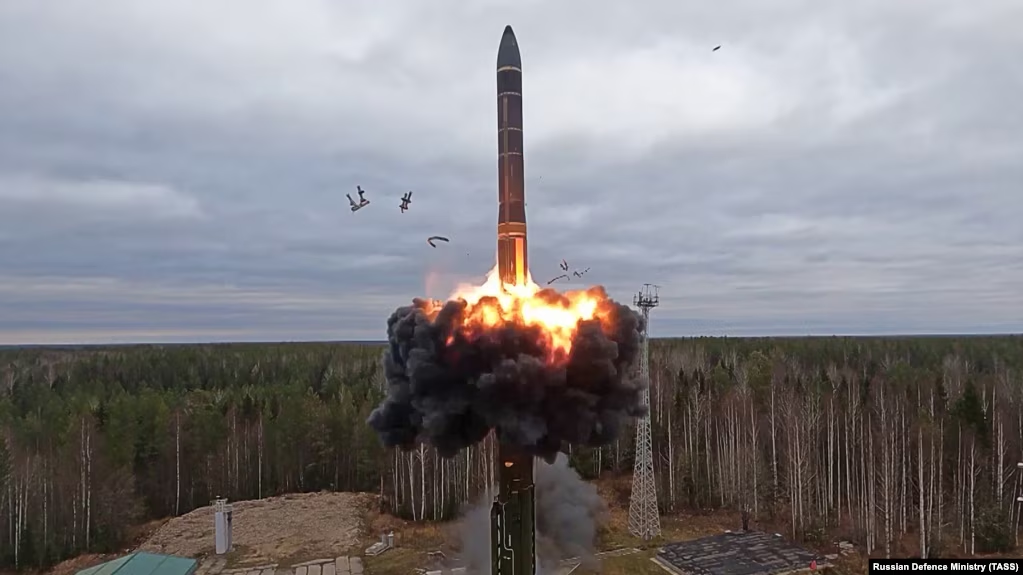
According to Russia’s Chief of Staff, Valery Gerasimov, Moscow has deployed new powerful missile systems to its military forces, signaling a heightened readiness for conflict. He also warned that if the United States conducts nuclear tests, Russia would respond accordingly. While Russia has committed to honoring existing nuclear testing agreements, Gerasimov said Moscow will not remain passive if Washington initiates new nuclear tests.
The ongoing support from the EU comes as Ukraine faces continued military pressure. Ukrainian forces have reported heavy losses in recent months, with approximately 27,000 soldiers killed last month alone during clashes with Russian troops. Despite diplomatic negotiations and calls for peace, Russia has intensified attacks in several regions, complicating Kyiv’s efforts to stabilize the situation.
US political figures have also urged Ukraine to act quickly in peace negotiations. Former US President Donald Trump emphasized that President Volodymyr Zelensky should expedite decisions regarding ceasefire agreements. While Russia has reportedly shown willingness in some areas, Ukraine’s slower response has drawn criticism from international allies concerned about rising casualties and prolonged conflict.
Analysts note that the EU’s financial aid is a significant signal of continued support for Ukraine. The 90 billion-euro package is intended to ensure that Kyiv can maintain both its military defense and government operations without immediate concern for funding gaps. The zero-interest arrangement is also designed to prevent additional economic strain on Ukraine during the war.
Russia’s warnings highlight the growing risk of further escalation, both regionally and internationally. The deployment of advanced missile systems and statements regarding potential responses to nuclear tests demonstrate that Moscow views EU and US support for Ukraine as a direct challenge to its military objectives.
Experts suggest that the aid and military reinforcement signals a continuing cycle of action and counteraction. The conflict’s international dimension has expanded beyond the battlefield in Ukraine, involving economic measures, strategic support, and geopolitical posturing by major powers. This has raised concerns about long-term stability in Europe and the potential for broader confrontations.
Despite these risks, the EU maintains that supporting Ukraine is essential for regional security and the defense of international law. The loan package reflects a commitment to prevent Ukraine from being forced into unfavorable negotiations due to lack of resources. Observers say that the aid also serves as a deterrent to further Russian aggression by showing unity among Western allies.
The coming months will be critical in determining how Ukraine manages the new financial resources, continues military operations, and engages in peace negotiations. The EU’s decision is a milestone in international support for Ukraine, marking one of the largest aid packages in recent European history, and sending a clear message of commitment despite Russia’s warnings.