


Israel has officially recognized Somaliland as an independent and sovereign state, marking a historic moment for the region. The announcement, made last Friday, also included a diplomatic agreement to establish formal relations between the two nations.
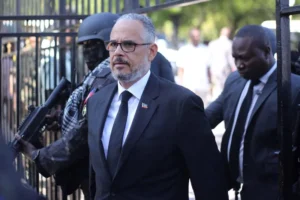
For Somaliland, this recognition comes nearly three decades after it declared independence from Somalia in 1991. Until now, the breakaway region had not received formal acknowledgment from any major global power. Somaliland’s President, Abdirahman Mohamed Abdullahi, described Israel’s move as a landmark achievement for his country.
“This is a historic milestone for Somaliland,” the president said, emphasizing the importance of international recognition in strengthening his nation’s sovereignty.
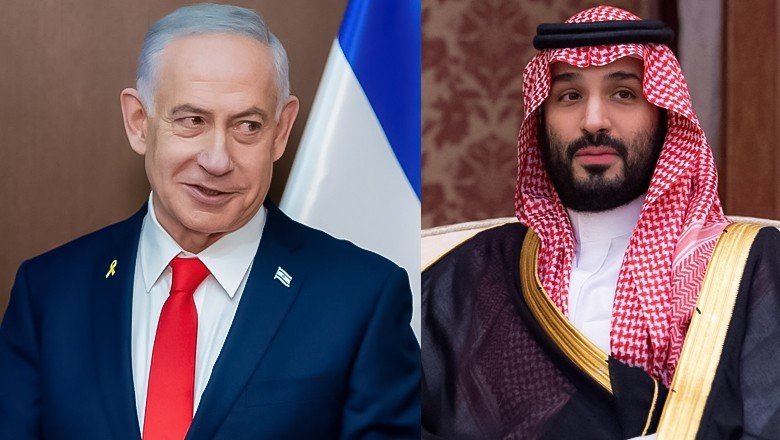
However, Israel’s decision has drawn a sharp response from Saudi Arabia. The kingdom made it clear that it fully supports the unity and territorial integrity of Somalia. Saudi authorities stressed that they would not endorse the creation of parallel states outside Somalia’s established structure.
Saudi Arabia warned that recognizing Somaliland could destabilize the region and complicate peace efforts in the Horn of Africa. “We remain committed to Somalia’s sovereignty and will oppose any measures that threaten it,” a statement from the Saudi Press Agency said.
The move by Israel adds a new and complex layer to the geopolitics of the Horn of Africa. While Somaliland has long sought independence, most of the international community has largely ignored its claims. The Israeli recognition challenges this status quo and could influence other regional and global powers to reassess their positions.
Experts suggest that Israel’s recognition may have broader strategic implications. Somaliland is located on the Red Sea, near key shipping lanes, giving it significant geopolitical importance. Establishing diplomatic ties could strengthen Israel’s influence in the region, while also providing Somaliland with increased political and economic support.
Despite this diplomatic breakthrough, tensions are expected to rise. Saudi Arabia’s firm stance shows that some regional powers view the recognition as a potential threat to Somalia’s territorial integrity. The kingdom’s opposition underscores the delicate balance of power and the competing interests in East Africa.
Somaliland has been striving for independence for over thirty years, yet it has struggled to gain official acknowledgment from influential nations. Israel’s recognition is seen as a bold move that could set a precedent for other states considering formal relations with Somaliland.
The agreement signed between Israel and Somaliland focuses on mutual diplomatic cooperation, trade, and economic development. Analysts note that these ties could open new avenues for investment and regional partnerships, enhancing Somaliland’s international profile.
As this development unfolds, regional stability remains uncertain. Observers are closely monitoring how neighboring countries and global powers respond to Israel’s recognition. The Horn of Africa, historically prone to political complexity, now faces a new variable in its already intricate landscape.
The Israeli-Somaliland agreement highlights how international recognition can reshape regional dynamics. While Somaliland celebrates a historic victory, the pushback from Saudi Arabia demonstrates that sovereignty disputes in the Horn of Africa are far from resolved.
With Somaliland stepping into the global spotlight, the coming months may reveal whether other nations follow Israel’s lead or reaffirm support for Somalia’s unity. Meanwhile, Somaliland’s pursuit of international legitimacy continues to be a defining issue in East African geopolitics.