


The Middle East conflict escalated sharply as a U.S. submarine struck an Iranian warship off the coast of Sri Lanka, killing at least 80 personnel. The attack occurred amid a series of coordinated military operations by the U.S. and Israel targeting Iranian positions across the region.
According to Daljoog News analysis, the strike represents one of the deadliest single attacks in the ongoing confrontation and signals Washington’s readiness to employ high-precision naval capabilities far from the Persian Gulf. Tehran now faces both immediate military losses and broader strategic vulnerabilities.
The incident is unfolding against a backdrop of intensified regional hostilities, including Iranian missile strikes on Turkey and attacks on Gulf-based U.S. and Israeli assets. The timing is particularly critical, as global energy markets react to rising risks in the Strait of Hormuz, a key artery for nearly 20% of the world’s oil supply.
What Happened?
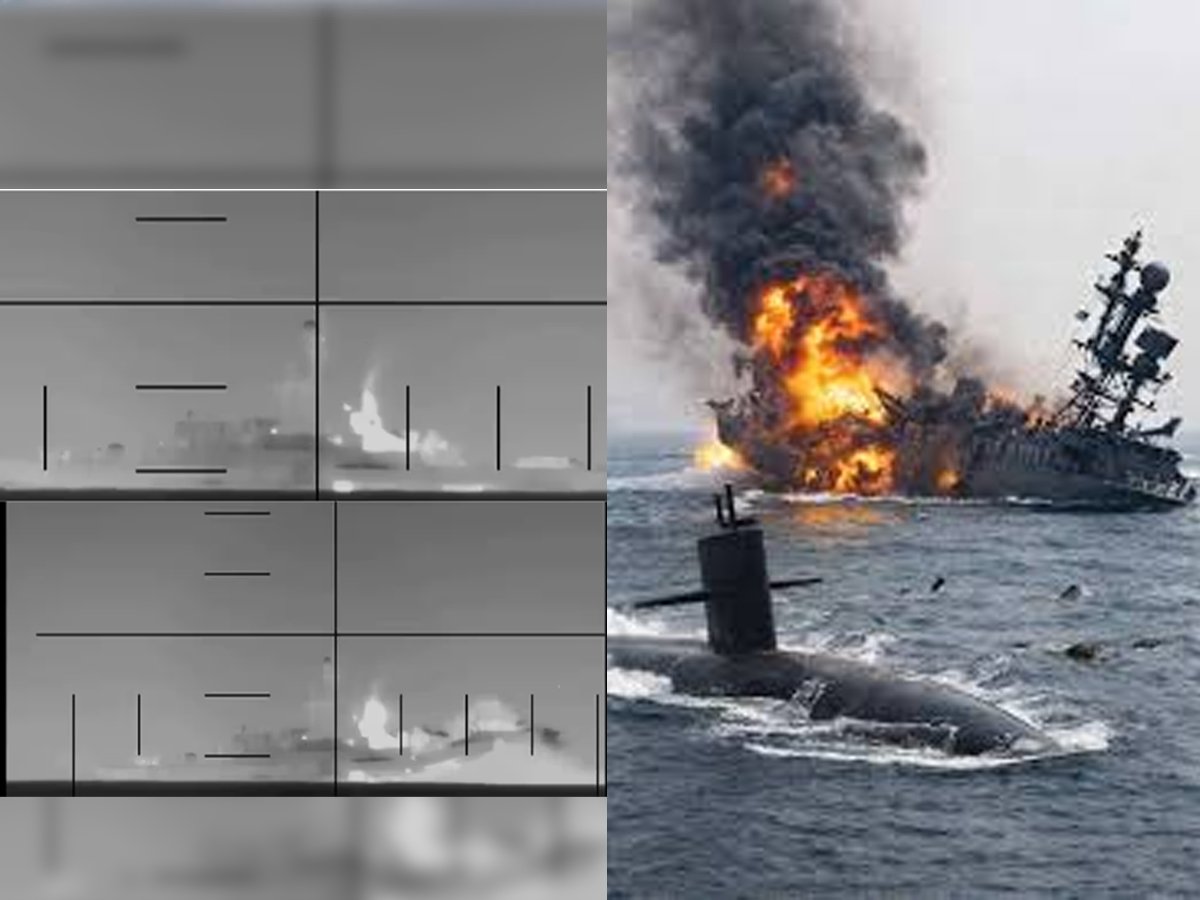
On the fifth day of the escalating Middle East conflict, U.S. naval forces carried out a submarine strike against an Iranian warship near Sri Lanka. The vessel reportedly carried about 180 personnel, with 80 confirmed dead according to Sri Lankan officials. Survivors have been hospitalized at local medical facilities.
Meanwhile, Iran launched its first missile attack targeting Turkey since the outbreak of hostilities, though NATO defense systems reportedly intercepted the incoming projectiles. Simultaneously, the U.S. and Israeli air forces conducted multiple strikes on Iranian cities, including Tehran, Esfahan, Urmia, and Hormozgan provinces, hitting police stations, government buildings, and security installations.
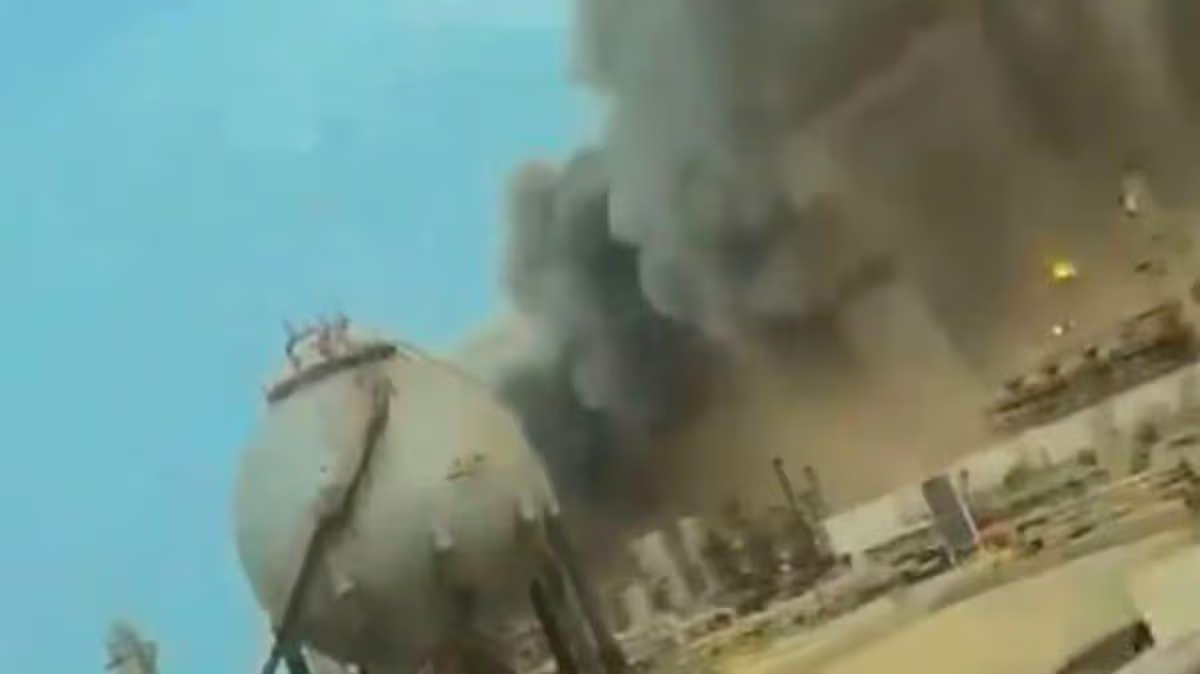
Reports indicate significant destruction in the urban areas of Tehran, with several buildings reduced to rubble in western neighborhoods. The cumulative impact of these operations has resulted in more than 1,000 Iranian casualties since the start of the conflict.
In parallel, Iran carried out drone attacks on U.S. consulate facilities in Dubai and military bases in Bahrain, while residential buildings in Israel’s Beersheba were damaged by missile fire. Hezbollah claimed retaliatory attacks in Beirut following Israeli airstrikes, further expanding the conflict zone.
Why This Matters
The U.S. submarine strike demonstrates the ability of American forces to project power far from immediate conflict zones, signaling to Tehran that its maritime and coastal assets are within reach.
The attacks on Iranian facilities have heightened tensions across the Gulf and wider Middle East, threatening the flow of oil through the Strait of Hormuz. Even temporary disruptions could create volatility in global energy markets, affecting prices and strategic planning for oil-dependent economies worldwide.
Beyond energy, the attacks have regional security implications. Iran’s missile and drone operations now target multiple countries, including NATO members, creating the potential for broader confrontation. The escalating conflict underscores how quickly regional disputes can become global security challenges.
What Analysts or Officials Are Saying
U.S. officials describe the submarine strike as a significant operational success. Defense leadership emphasizes that the coordinated actions with Israel have degraded Iranian capabilities while maintaining U.S. readiness to defend strategic interests.
Iranian authorities frame the attacks as retaliatory and defensive, claiming to target foreign interference. Analysts observe that Iran is relying on asymmetric warfare—drones, missiles, and rapid strikes—to impose costs on adversaries without engaging in conventional battles.
Military experts highlight that the U.S. submarine strike represents a major escalation, particularly because it occurred far from Iran’s immediate coastal waters. Such actions illustrate both the reach of modern naval power and the growing vulnerability of Iranian maritime assets.
Regional observers also note the indirect consequences: civilian populations, infrastructure, and international shipping are increasingly at risk, and the conflict may trigger a series of chain reactions beyond the Middle East.
Daljoog News Analysis
The attack marks a pivotal point in the ongoing conflict, illustrating how technological superiority, strategic planning, and long-range strike capability converge to reshape regional warfare.
Iran’s losses highlight the limitations of relying on traditional defensive measures in the face of advanced submarine and missile technology. Conversely, U.S. forces demonstrate that even a geographically distant power can impose decisive effects in a contested maritime domain.
The humanitarian and economic implications are significant. Beyond the immediate casualties, the destruction of urban and military infrastructure adds long-term challenges for reconstruction and stability in Iran. The attack also raises the specter of escalation, as Iran and allied groups may retaliate, further complicating diplomatic resolution.
Global energy markets are particularly sensitive. Any perception of persistent disruption in the Strait of Hormuz could cause spikes in oil prices and force nations to consider emergency stockpiles or alternative supply routes.
What Happens Next
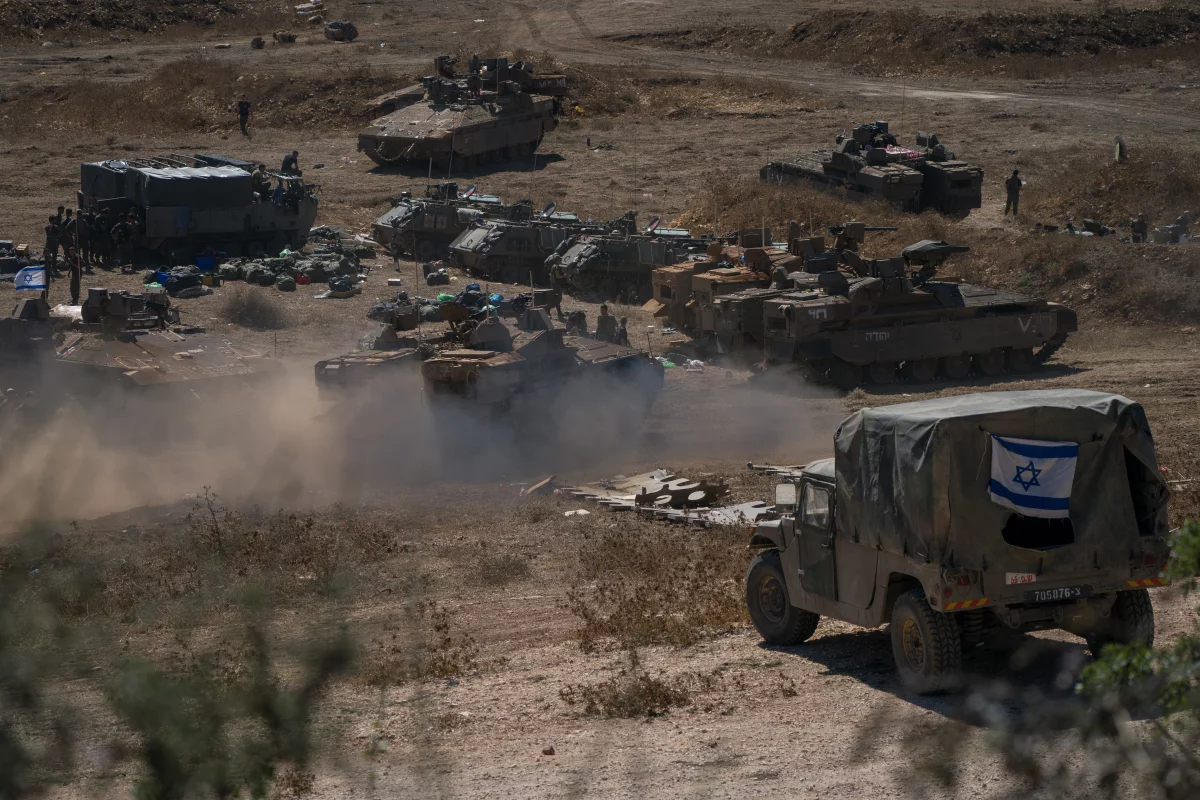
Washington and Tel Aviv are likely to continue joint operations while maintaining defensive postures to protect key assets in the Gulf. Evacuation plans for U.S. citizens in nearby countries may be accelerated as a precautionary measure.
Tehran may retaliate with additional missiles, drones, or asymmetric strikes against regional or Western targets. NATO allies, particularly those in Turkey and the Gulf, will remain on heightened alert to intercept or mitigate attacks.
Diplomatic efforts may intensify behind the scenes, aiming to prevent further escalation, but the situation remains highly volatile. Analysts warn that any miscalculation—intentional or accidental—could rapidly widen the conflict, with implications for global security and energy supply.
Daljoog News will continue providing comprehensive coverage as developments unfold, analyzing both immediate and long-term consequences for the Middle East and beyond.