



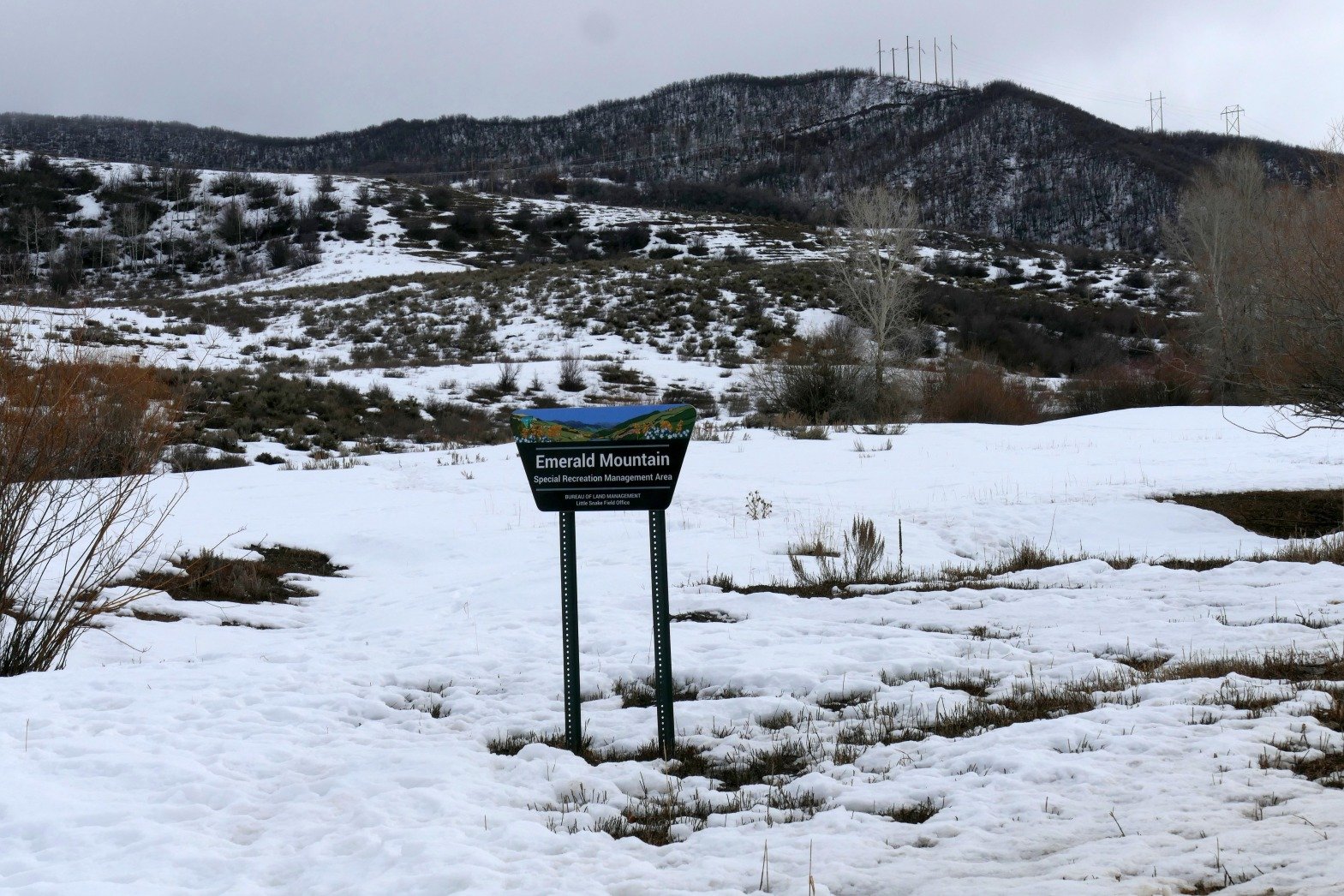
Four men, including two Tennessee business leaders, were killed when a turboprop aircraft crashed into a mountainside near Steamboat Springs, Colorado. Authorities confirmed the fatalities after recovery efforts concluded over the weekend.
According to Daljoog News analysis, the crash underscores the risks associated with mountain aviation, particularly in winter conditions when visibility and wind patterns can shift rapidly.
The accident occurred as the aircraft approached its destination, highlighting ongoing safety concerns tied to high-altitude regional airports in the western United States.
What Happened?
The aircraft went down on Emerald Mountain, just outside Steamboat Springs, while en route to Bob Adams Airport. Local authorities said the turboprop plane crashed before reaching the runway on Friday.
The Routt County Coroner’s Office identified the victims as Aaron Stokes, 47; Jakson Stokes, 21; Colin Stokes, 21; and Austin Huskey, 37. Two of the victims were business figures from Tennessee.
Emergency crews responded after reports of a downed aircraft in rugged terrain. Recovery operations were complicated by the steep mountain landscape and weather conditions. Officials confirmed that all four individuals on board died at the scene.
Investigators have not yet released a formal cause of the crash. Federal aviation authorities are expected to conduct a full review of flight data, weather conditions, and aircraft maintenance records.
Why This Matters
Mountain flying presents unique hazards. Rapid changes in wind speed, downdrafts, and limited maneuvering space can challenge even experienced pilots. Airports like Bob Adams Airport sit at higher elevations, which can affect aircraft performance during approach and landing.
Private turboprop aircraft are commonly used for regional business travel. While generally considered safe, smaller aircraft have less margin for error when encountering adverse weather or terrain-related turbulence.
The loss of prominent business leaders also has ripple effects beyond aviation safety. Communities in Tennessee and Colorado are mourning individuals described as active in both business and civic circles.
What Analysts or Officials Are Saying
Local authorities emphasized that the investigation remains in its early stages. Officials are working alongside federal aviation investigators to determine whether weather, mechanical failure, or pilot decision-making contributed to the accident.
Aviation safety analysts note that Emerald Mountain’s terrain can create unpredictable airflow, especially during the winter months. Sudden downdrafts can force aircraft into rapid descents if not anticipated.
Officials have also pointed out that mountain approaches require precise navigation. Even minor deviations can become critical in areas where elevation rises sharply near flight paths.
The community in Steamboat Springs has expressed condolences, while Tennessee leaders have acknowledged the impact of the loss on business and local networks. More details may emerge as investigators analyze cockpit instruments and maintenance logs.
Daljoog News Analysis
This tragedy illustrates the persistent risks associated with regional air travel in mountainous terrain. While commercial aviation continues to achieve high safety benchmarks, general aviation accidents remain more common, particularly in complex environments.
The geography around Steamboat Springs demands disciplined flight planning. Pilots must account for elevation, temperature, wind shear, and limited emergency landing options.
If weather factors played a role, the case could renew scrutiny on how flight risk assessments are conducted before takeoff. If mechanical issues are identified, maintenance oversight could come under review.
Beyond technical causes, the crash serves as a reminder that smaller aircraft operations operate under different regulatory frameworks than major airlines. That difference often shapes both safety protocols and investigative transparency.
The deaths of four individuals, including young adults, intensify public attention. When tragedies involve known community figures, scrutiny and calls for accountability tend to follow.
What Happens Next
Federal aviation investigators will likely examine the aircraft’s flight path, weather data at the time of the crash, and communications between the pilot and air traffic control.
A preliminary report is expected within weeks, though a full investigative finding may take months. Authorities will determine whether safety recommendations are warranted.
Families of the victims are preparing memorial arrangements as communities in both Colorado and Tennessee reflect on the loss.