


Pakistan has carried out airstrikes in Afghanistan in response to escalating attacks by Taliban-linked militants along its border. The strikes, targeting insurgent positions in Nangarhar and Paktika provinces, mark the latest chapter in growing tensions between Islamabad and Kabul.
According to Daljoog News analysis, the escalation comes amid persistent cross-border attacks that have killed Pakistani security personnel and civilians, forcing Islamabad to adopt a more aggressive approach while India simultaneously deepens ties with the Taliban-led government in Kabul.
This intensifying dynamic highlights the shifting balance of power in South Asia, with India asserting influence in Afghanistan and Pakistan confronting security and geopolitical challenges along its eastern frontier.
What Happened?
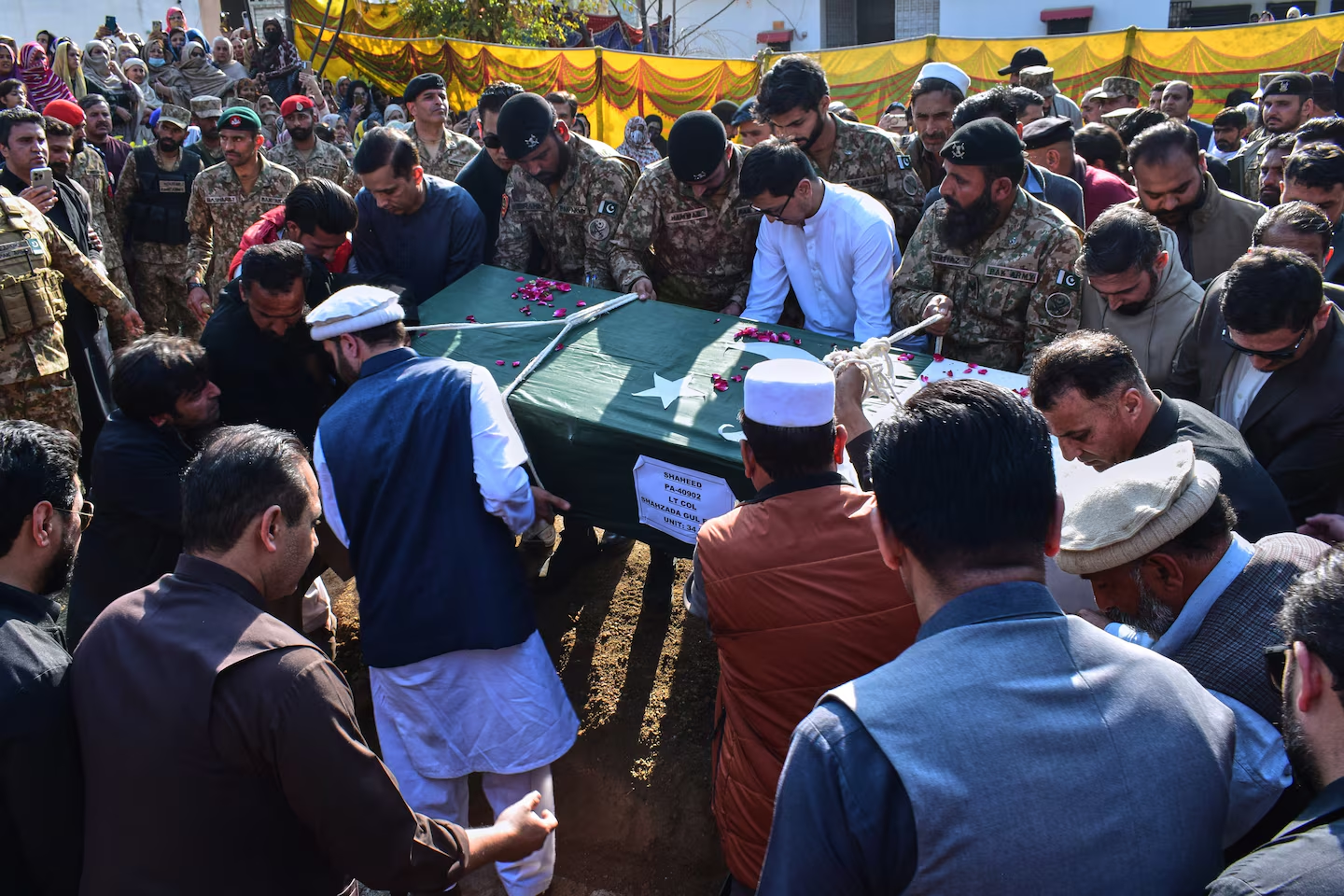
In recent months, Pakistan has experienced a series of bombings and insurgent attacks along the Afghanistan-Pakistan border. Islamabad attributes these attacks to militant groups operating from Afghan soil, including factions affiliated with the Tehrik-i-Taliban Pakistan (TTP).
Last Sunday, Pakistan conducted retaliatory airstrikes targeting militant hideouts in Nangarhar and Paktika. Officials said the strikes aimed to dismantle terrorist infrastructure that has been responsible for repeated cross-border attacks. Kabul, however, rejected Pakistan’s claims and issued warnings of retaliatory measures, heightening the risk of further escalation.
These developments undermine previous ceasefire efforts brokered by Qatar and Turkey, which had temporarily reduced hostilities but are now showing signs of collapse.
Why This Matters
The renewed clashes threaten regional stability in South Asia. Persistent militant activity along the border not only endangers civilians but also heightens the risk of broader military confrontations between Pakistan and Afghanistan.
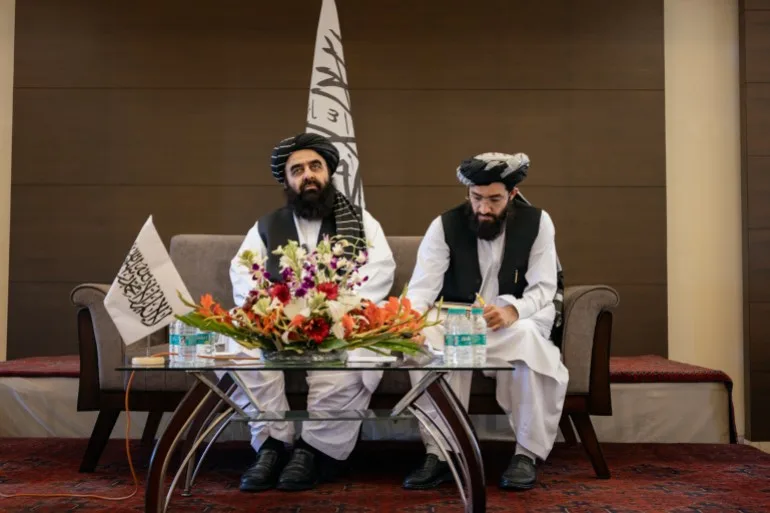
India’s growing engagement with Kabul further complicates matters. Delhi has resumed diplomatic missions in Afghanistan, hosted Taliban officials in high-profile visits, and publicly endorsed Afghanistan’s sovereignty while condemning Pakistani strikes. This strengthens India’s influence in the region and challenges Pakistan’s traditional strategic leverage over Afghan affairs.
What Analysts or Officials Are Saying
Security analysts note that Pakistan’s border strikes are both tactical and symbolic, demonstrating Islamabad’s intent to counter militant threats while asserting control over border regions. Experts also emphasize that India’s economic and infrastructural involvement—such as development of the Chabahar port and expanded trade routes—enhances Kabul’s self-reliance, indirectly pressuring Pakistan.
Indian officials stress that their assistance is intended for humanitarian, diplomatic, and economic purposes, though the move has clear strategic implications. Pakistani authorities have repeatedly accused India of enabling Afghanistan to disregard Islamabad’s security concerns.
Observers say that India’s growing influence in Afghanistan represents a calculated effort to extend its regional presence, potentially limiting Pakistan’s ability to project power across the border and altering South Asia’s geopolitical landscape.
Daljoog News Analysis
Daljoog News observes that the conflict illustrates the complex interplay between counterterrorism, diplomacy, and regional strategy. Pakistan faces dual challenges: suppressing militant activity along its border and countering India’s expanding footprint in Afghanistan.
India’s approach—combining economic investment, infrastructure projects, and diplomatic engagement with Kabul—appears designed to shift Afghanistan’s strategic alignment, effectively counterbalancing Pakistan’s influence. This dynamic may deepen Islamabad’s security dilemma and increase the likelihood of sporadic confrontations along the frontier.
What Happens Next
Border tensions are likely to remain high as Pakistan continues counterterrorism operations while Kabul navigates its ties with both India and regional powers. Analysts anticipate ongoing diplomatic maneuvering, potential retaliatory measures from Afghanistan, and further international scrutiny of cross-border strikes.
Monitoring of the border regions will remain critical, as any miscalculation could escalate the conflict into a broader regional crisis.