

Maryland has taken the Trump administration to court over plans to convert a large warehouse into an immigration detention center in Washington County.
The lawsuit, filed Monday by Attorney General Anthony G. Brown, targets the Department of Homeland Security and its enforcement arm, Immigration and Customs Enforcement, along with Homeland Security Secretary Kristi Noem.
According to Daljoog News analysis, the legal challenge signals a widening clash between state officials and federal immigration authorities as the administration moves to expand detention capacity nationwide.
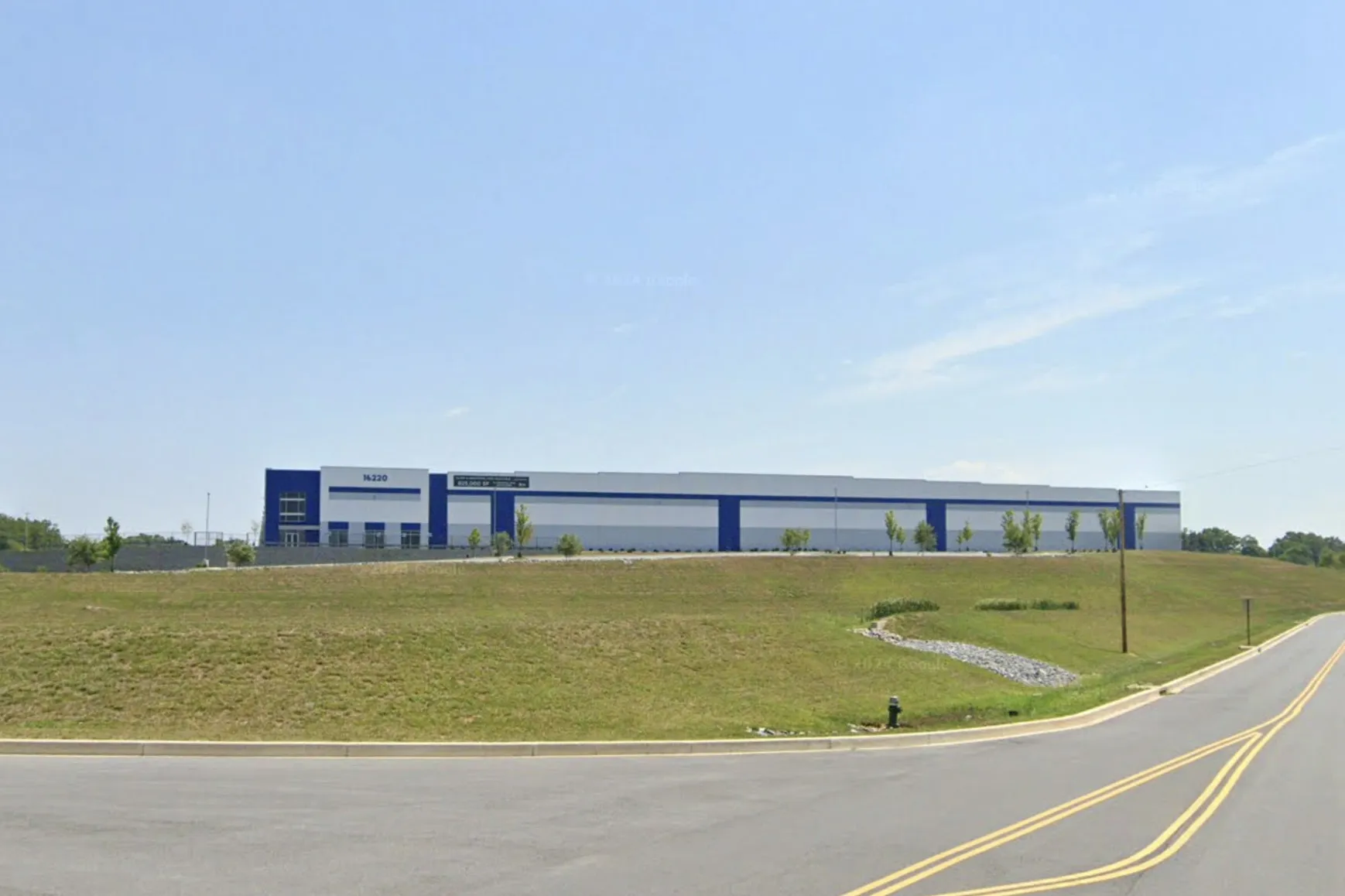
The dispute centers on an 825,000-square-foot warehouse near Williamsport that federal authorities reportedly acquired for more than $100 million. State officials argue the facility could house up to 1,500 detainees without first undergoing required environmental reviews or public consultation.
What Happened?
Attorney General Brown alleges that the federal government quietly purchased the Washington County property and began preparing it for immigration enforcement use without following federal environmental procedures.
Under federal law, major changes in land use involving government agencies typically trigger environmental impact assessments and opportunities for public comment. Maryland argues that repurposing a commercial warehouse into a large-scale detention center qualifies for such review.
The site’s location has intensified scrutiny. It sits near Semple Run, a state waterway that feeds into Canuck Bacheg Creek and eventually the Potomac River. State officials say protected fish species inhabit the surrounding waters, and two ecologically significant zones identified by Maryland’s Department of Natural Resources lie within half a mile of the property.
Brown’s office also raised infrastructure concerns. The existing sewer system, designed for warehouse operations, may not support a residential-style population of 1,500 people. State estimates suggest wastewater output could be nearly four times higher than the facility’s original capacity, increasing the risk of overflows and strain on nearby communities.
The complaint further cites unexamined impacts on traffic, air quality and emergency services. State officials argue that local systems could face pressure without proper planning or federal coordination.
In response, DHS officials rejected the accusations and defended the project as part of broader immigration enforcement efforts.
Why This Matters
The case touches on more than environmental paperwork. It highlights a recurring tension between federal immigration authority and state oversight.
Immigration enforcement falls squarely under federal jurisdiction. However, states retain authority over environmental protection, land use, and public health standards. Maryland’s lawsuit tests where those powers intersect.
The scale of the proposed facility also raises political stakes. A detention center capable of holding 1,500 people would rank among the larger ICE-operated sites in the region. Expanding detention space has been a key component of the administration’s immigration strategy, particularly as enforcement actions increase across multiple states.
Local officials worry about the long-term footprint. Beyond environmental risks, critics point to national reports of overcrowding, sanitation failures and infectious disease outbreaks in some detention facilities. They argue that rapid expansion without review could repeat past mistakes.
At the same time, DHS maintains that expanding capacity is necessary to manage enforcement operations and uphold immigration law.
The outcome of this lawsuit could shape how quickly similar projects move forward in other states.
What Analysts or Officials Are Saying
Brown framed the lawsuit as a matter of legal compliance rather than ideology. He contends that no federal agency stands above environmental law and that residents deserve input when major federal projects affect local infrastructure.
Governor Wes Moore echoed that position, emphasizing that public health and safety considerations must accompany federal decisions. He pointed to the significant taxpayer investment and argued that transparency should match the project’s scale.
DHS officials offered a sharply different view. A department spokesperson said the facility would meet established detention standards and described the state’s action as an attempt to obstruct federal law enforcement.
The department also noted that immigration arrests occur nationwide and that detention expansion is part of a broader operational strategy.
Legal observers say the case will likely hinge on procedural compliance. If a court finds that environmental review requirements apply, federal authorities may have to pause development until assessments and public comment processes are completed.
Daljoog News Analysis
This lawsuit reflects a deeper national recalibration around immigration enforcement and federal authority.
Maryland is not challenging the federal government’s right to enforce immigration law. Instead, it is challenging the speed and method by which enforcement infrastructure is expanding.
The environmental argument provides a strategic legal entry point. Courts often weigh procedural compliance carefully, especially when federal projects intersect with local ecosystems and public utilities. If Maryland can demonstrate credible risk to waterways or infrastructure, it strengthens its case beyond political disagreement.
At the same time, DHS faces pressure to increase detention space as enforcement operations intensify. Limited capacity has historically led to bottlenecks, court backlogs and policy criticism from both sides of the political spectrum.
The broader implication extends beyond one warehouse. If courts require full environmental reviews for similar facilities, federal agencies may encounter delays in other states. That could reshape how quickly new detention centers come online.
What Happens Next
The case will move into federal court, where judges will first assess whether Maryland has standing and whether environmental review statutes apply to this project.
If the court grants an injunction, development of the facility could stall pending further study and public hearings. That would slow the administration’s timeline for expanding detention capacity in the region.
If the court sides with DHS, the project may proceed without additional review, reinforcing federal discretion in immigration infrastructure planning.
Either way, the legal fight signals continued friction between state governments and federal immigration authorities. As enforcement policy evolves, similar challenges may surface in other jurisdictions.
For now, the Washington County warehouse stands at the center of a legal and political contest that reaches far beyond Maryland’s borders.