


The Department of Homeland Security (DHS) is now operating under a partial government shutdown after Congress failed to fund the agency by February 13. Most employees will remain on duty, but many will not receive paychecks until the impasse ends.
According to Daljoog News analysis, the shutdown reflects ongoing political friction over immigration enforcement reforms, highlighting how a single agency can become a flashpoint for broader legislative gridlock.
The lapse comes just months after a record-long federal shutdown ended in November 2025, leaving DHS as the only agency without full-year funding for fiscal 2026, which continues through September 30.
What Happened?
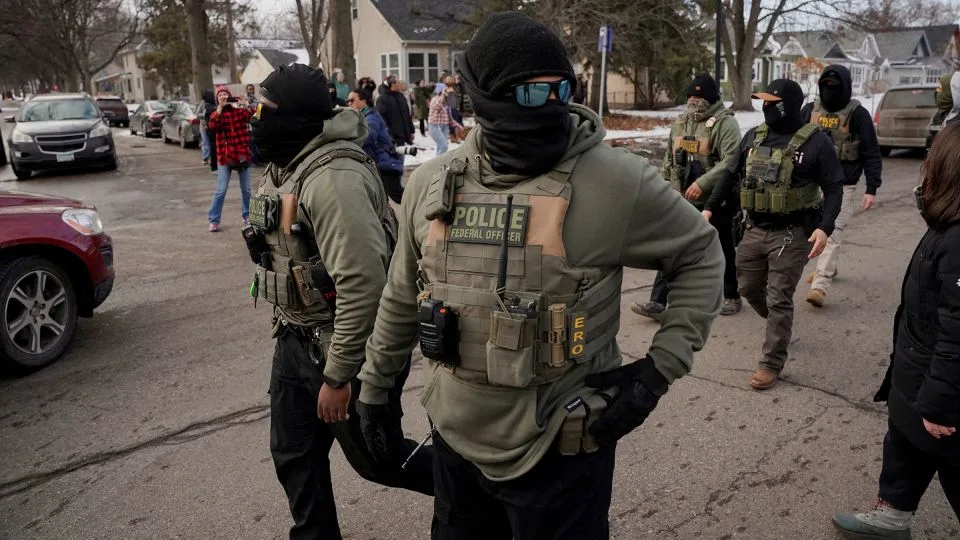
Congress passed a short-term funding measure in January, covering DHS for only two weeks. The temporary authorization aimed to buy time for negotiations over reforms requested by Senate Democrats following the fatal shootings of two U.S. citizens by federal immigration agents in Minneapolis.
Lawmakers left Washington in mid-February without reaching an agreement. Talks between the White House and congressional Democrats have been slow, and lawmakers are not scheduled to return until February 23. Republican leaders could, however, call members back if a deal is reached sooner.
President Donald Trump, who previously oversaw the record 35-day shutdown in 2019, now faces another high-stakes impasse affecting homeland security operations.
Why This Matters
DHS oversees more than 270,000 employees across agencies, including the Transportation Security Administration (TSA), U.S. Immigration and Customs Enforcement (ICE), Customs and Border Protection (CBP), the Coast Guard, FEMA, and the Secret Service.
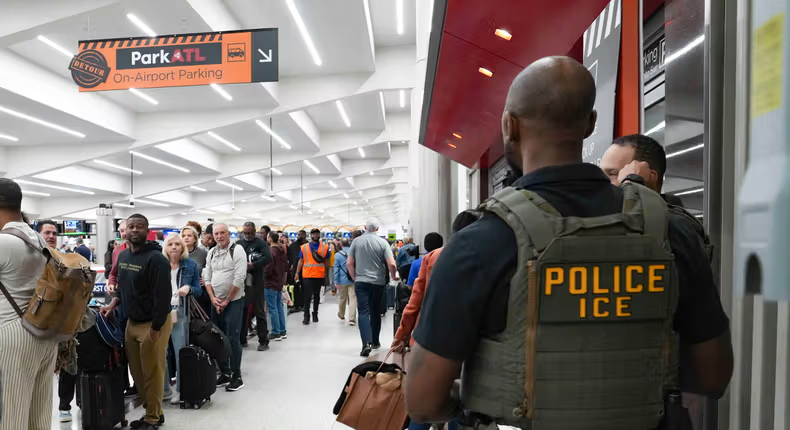
Although over 90% of DHS employees will continue working, many will go unpaid. TSA workers, essential for airport security, face partial pay delays on February 28, and could miss full paychecks by March 14 if the shutdown persists. Long hours without pay may lead to unscheduled absences, potentially slowing security checkpoints and affecting air travel efficiency.
Immigration enforcement remains politically charged. Senate Democrats are pushing reforms, including body cameras for ICE agents, restrictions on roving patrols, and stricter use-of-force rules. Republicans have resisted major changes, seeking concessions on issues such as sanctuary cities.
What Analysts or Officials Are Saying
DHS officials stress that essential operations will continue. ICE and CBP will maintain core functions, while FEMA’s Disaster Relief Fund remains largely untouched, with nearly $31 billion available. Secret Service protection and law enforcement operations will also continue.
Still, some non-critical operations could face disruption. FEMA has temporarily halted certain disaster aid deployments, and Coast Guard families may encounter issues with base utilities and housing payments due to vendor disruptions. Analysts warn that prolonged shutdowns can gradually degrade operational efficiency, even if frontline services continue.
TSA union leaders have expressed frustration, noting that employees live paycheck to paycheck. “People are tired of the uncertainty,” said Johnny Jones, secretary/treasurer of the American Federation of Government Employees TSA Council 100.
Experts emphasize that while most Americans may not immediately notice a difference, extended disruptions could ripple through airports, border processing, and disaster response infrastructure.
Daljoog News Analysis
The DHS shutdown illustrates the complex intersection of politics and essential services. While the majority of employees continue working, morale and efficiency are vulnerable when paychecks are delayed.
The debate over immigration reform has turned into a legislative bottleneck. Democrats’ push for accountability in ICE operations clashes with Republican priorities, creating a standoff that affects national security and border management.
Financially, DHS is buffered by prior appropriations, including billions allocated to ICE and CBP in last summer’s omnibus funding bill. This provides short-term flexibility but cannot replace sustained congressional funding.
The Trump administration’s decision to temporarily halt certain FEMA deployments also underscores how policy decisions can amplify the impact of a funding gap, even in areas technically insulated from the shutdown.
What Happens Next
Congress returns on February 23, when negotiations are expected to resume. Lawmakers will need to reach a consensus to fund DHS for the remainder of fiscal 2026.
If talks stall, TSA, ICE, CBP, and other DHS divisions will continue operating under unpaid status, raising risks of staff absences and operational slowdowns. Non-essential projects, vendor contracts, and disaster grant processing may face further delays.
The coming weeks will test whether political compromises can restore funding without undermining core homeland security functions, with implications for air travel, border management, and emergency response readiness.
The partial DHS shutdown highlights how even a single agency can become the center of national attention, affecting both daily operations and broader perceptions of government stability.