

The United States is preparing for a potential week-long military operation targeting Iran, according to American officials familiar with internal planning. The developments come as Washington simultaneously keeps diplomatic talks on the table.
According to Daljoog News analysis, the dual-track strategy—military buildup alongside scheduled negotiations—signals a high-risk pressure campaign that could either force compromise or ignite broader regional conflict.
Tensions are rising across the Middle East as both sides issue warnings. Iran has vowed retaliation if attacked, while Washington says all options remain under consideration.
What Happened?
Two US officials told Reuters that the Pentagon has finalized contingency plans for a multi-day military campaign against Iran. The operation could begin if President Donald Trump gives formal authorization.
The officials indicated that the scale of the operation would exceed previous confrontations between the two countries. Planning reportedly includes sustained air and naval strikes.
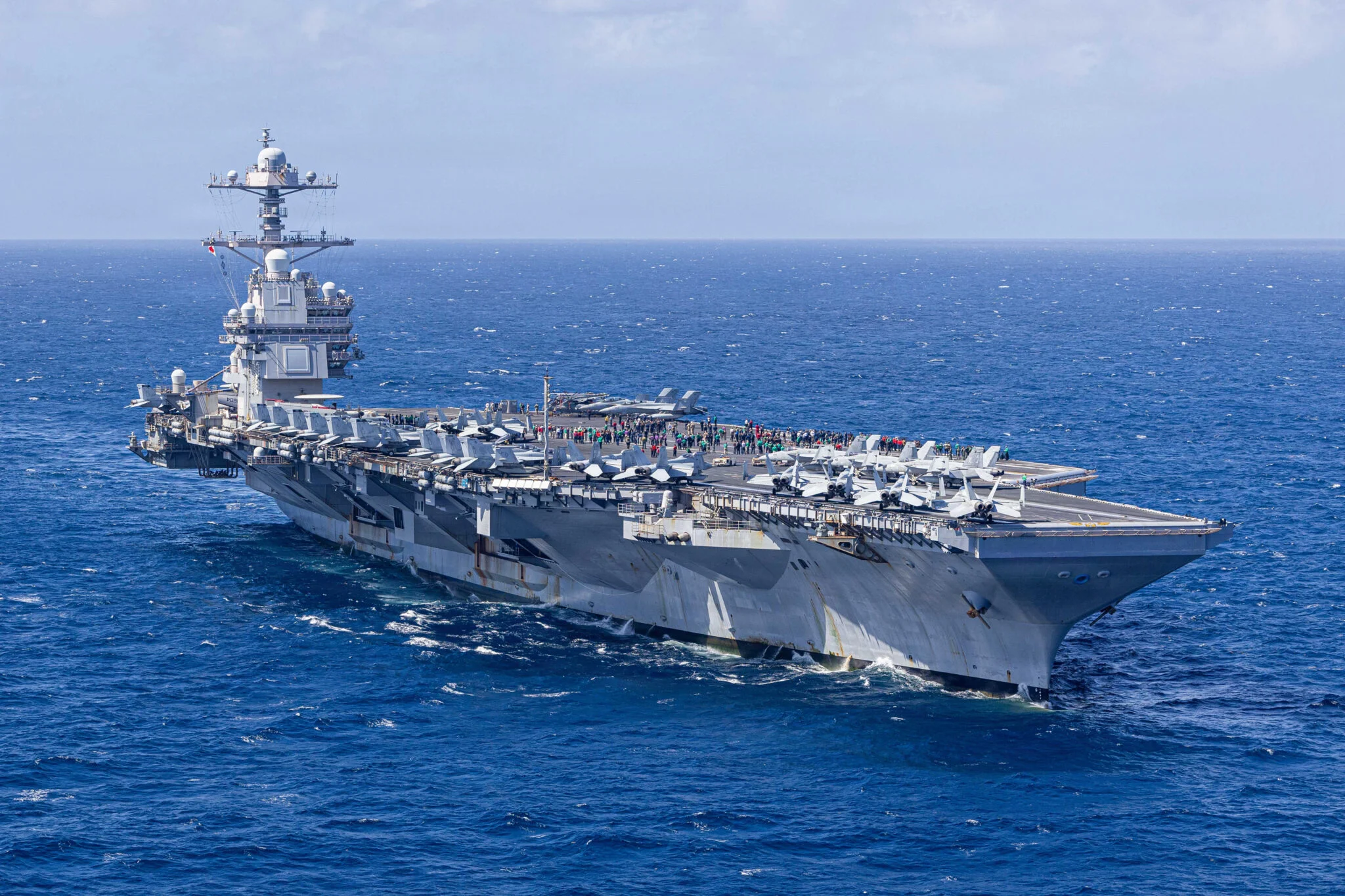
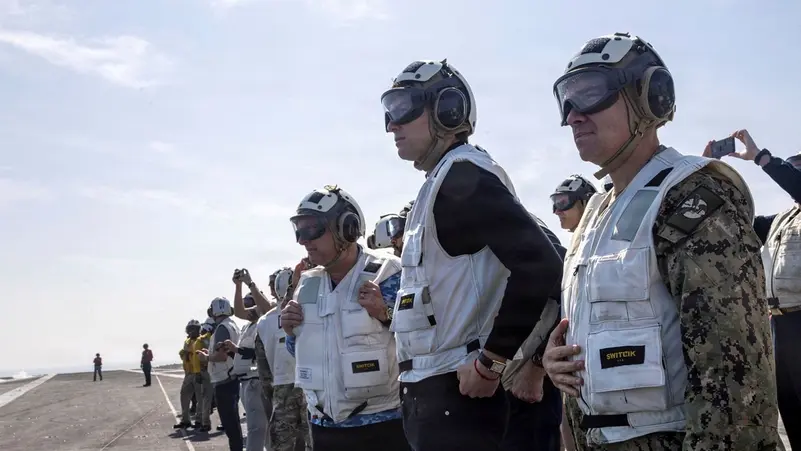
The United States has already deployed additional military assets to the region. The aircraft carrier USS Gerald R. Ford—the largest warship in the US fleet—is heading toward the Middle East. It is expected to operate alongside thousands of additional troops, fighter aircraft, and guided-missile destroyers.
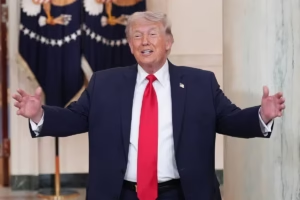
Earlier this week in North Carolina, President Trump publicly raised the possibility of regime change in Tehran. He said decades of negotiations have failed and warned that if diplomacy collapses, consequences could be severe.
Despite the hard rhetoric, US officials confirmed that talks are scheduled for Tuesday in Geneva, Switzerland. Oman is expected to serve as mediator in the discussions.
Secretary of State Marco Rubio said Trump remains open to a deal but acknowledged that reaching an agreement would be difficult.
Why This Matters
A sustained US military campaign against Iran would mark one of the most significant escalations in Middle Eastern geopolitics in years. Unlike limited strikes in past confrontations, a week-long operation suggests broader strategic objectives.
Officials familiar with planning suggest that potential targets may extend beyond nuclear infrastructure to include state security installations. That scope increases the risk of retaliatory escalation.
Iran’s Revolutionary Guard has already warned that any attack on Iranian territory would trigger counterstrikes on US military bases across the region. Such a response could quickly expand the conflict zone.
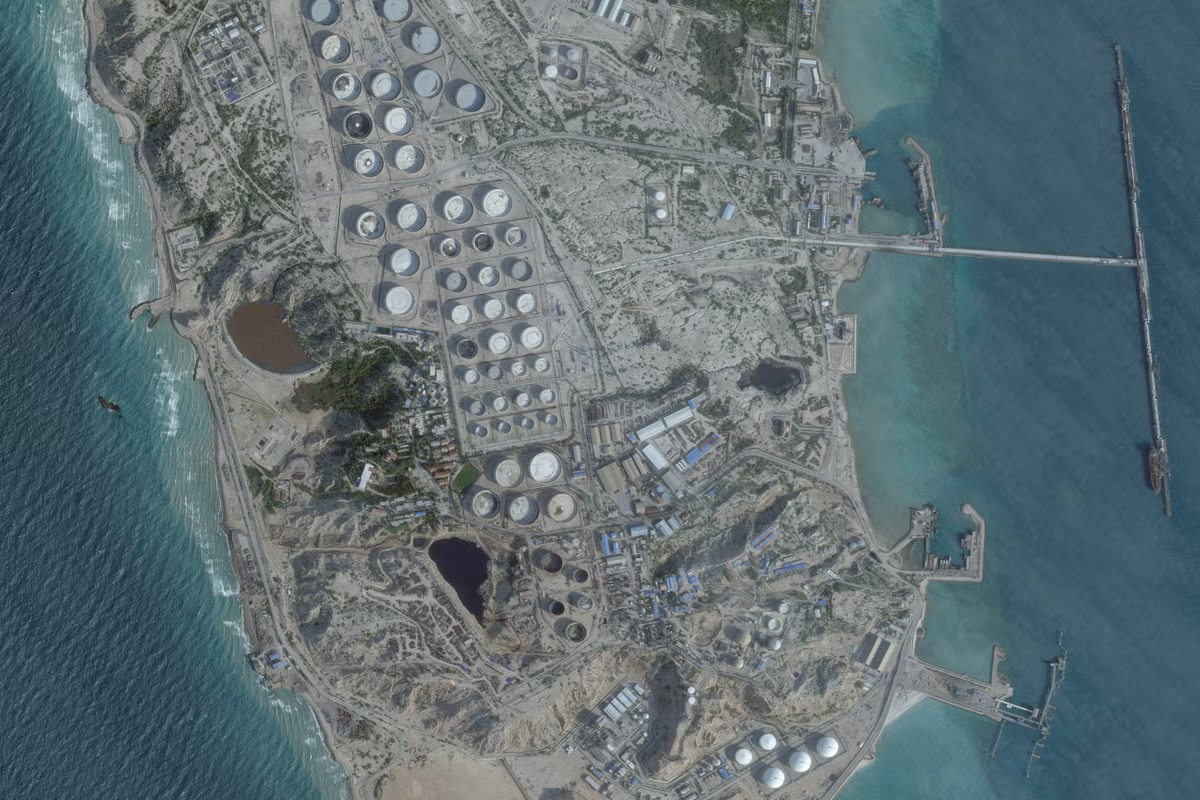
Energy markets are also watching closely. The Persian Gulf remains a critical artery for global oil shipments. Any sustained disruption could have immediate economic consequences worldwide.
What Analysts or Officials Are Saying
Unnamed US officials described the current planning as more complex than previous operations, including last year’s “Midnight Hammer” campaign. They stressed that preparations also include defensive measures against expected retaliation.
White House spokesperson Anna Kelly said the president retains every option regarding Iran. She emphasized that Washington prefers a diplomatic solution but is prepared for stronger measures if necessary.
Iranian officials maintain that they will not bow to military pressure. Tehran has signaled that missile forces are ready and that American bases in the region would be legitimate targets in the event of hostilities.
Exiled opposition figure Reza Pahlavi has publicly urged swift intervention, arguing that outside action could accelerate political change inside Iran. His stance, however, does not reflect official US policy.
Daljoog News Analysis
The current trajectory suggests a calculated gamble by Washington. By pairing military mobilization with scheduled diplomacy, the administration aims to maximize leverage.
However, history shows that simultaneous pressure and negotiation can create volatile miscalculations. When military assets are already in position, the margin for de-escalation narrows.
Public discussion of regime change further complicates the landscape. Such language often hardens resistance within targeted states and strengthens hardline factions.
If the reported operational scope includes state security facilities, Iran may interpret it as an existential threat rather than limited deterrence. That perception could shape the intensity of retaliation.
At the same time, both governments face domestic political considerations. Strong rhetoric may play well internally, even as quiet diplomatic channels attempt to prevent war.
The next several days are critical. Diplomatic progress in Geneva could defuse immediate tensions. Failure, however, may rapidly shift events from preparation to execution.
What Happens Next
Negotiators from Washington and Tehran are expected to meet in Geneva under Omani mediation. The outcome of those talks will heavily influence whether military plans move forward.
US naval and air deployments will likely remain on high alert while diplomatic efforts continue. Iran is expected to maintain elevated missile readiness.
Financial markets and regional governments will watch closely for signs of escalation or compromise.