


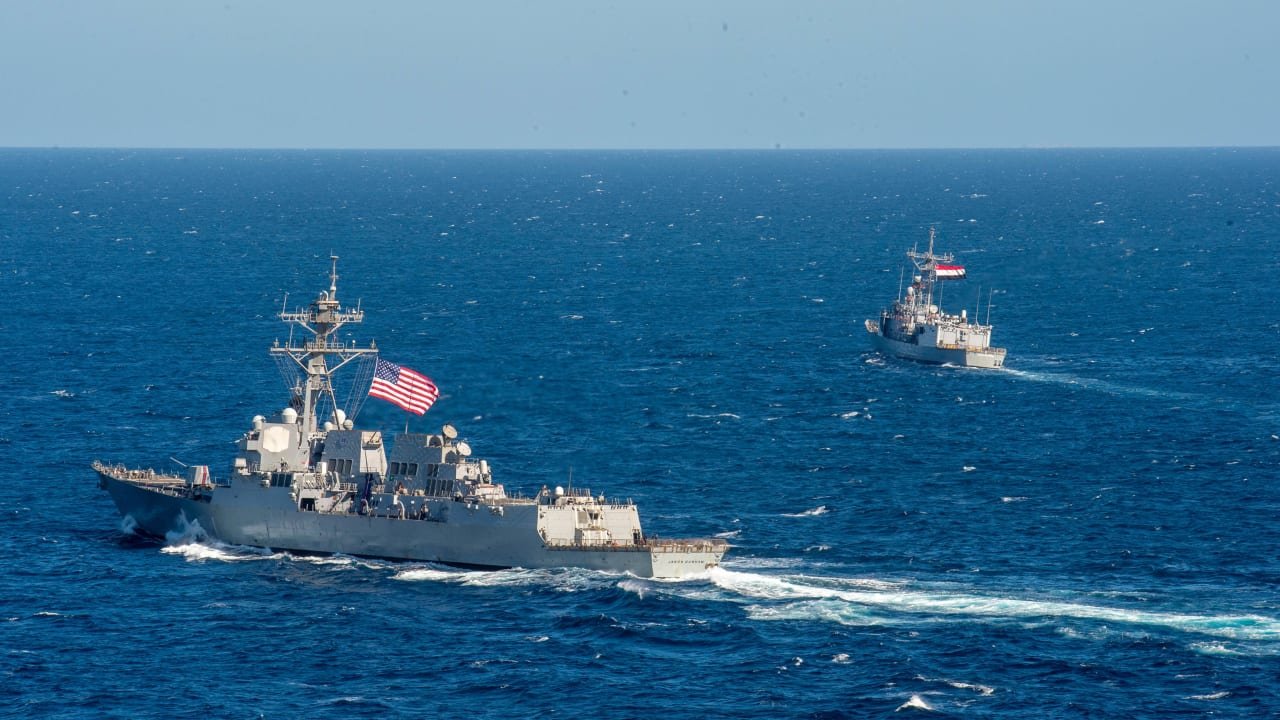
U.S. forces are facing escalating pressure in the Persian Gulf as Iranian missile and drone strikes target American ships and bases. The USS Abraham Lincoln has reportedly retreated from Iranian coastal waters, marking a significant operational setback for the United States.
According to Daljoog News analysis, Iran’s rapid and precise attacks have challenged the U.S. military’s dominance in the region, creating both strategic and political complications. Reports of heavy casualties are further fueling tensions in Washington and across allied capitals.
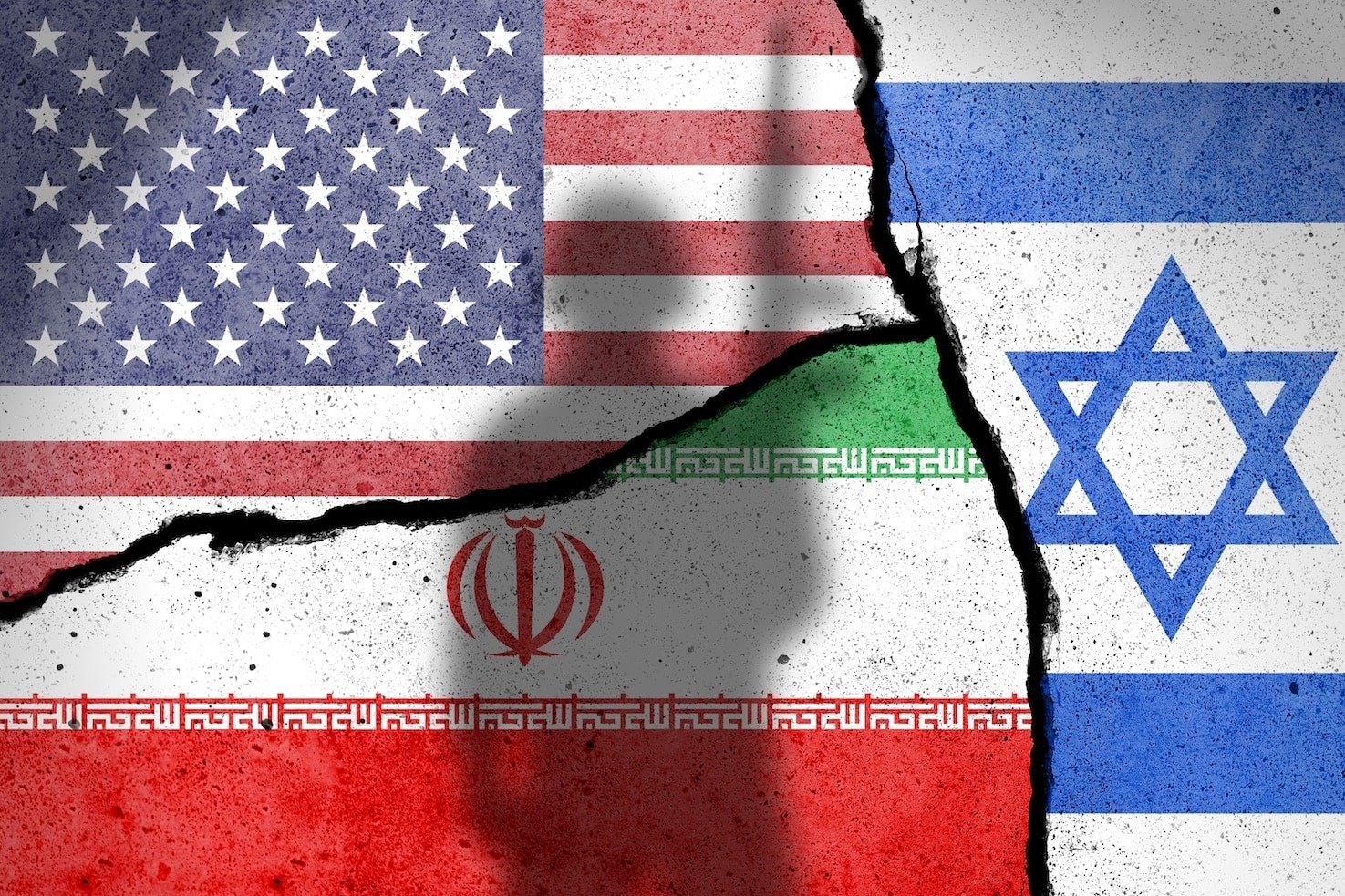
The timing is critical. With U.S. and Israeli forces already having launched strikes on Iranian positions, the conflict is intensifying, raising concerns about a wider regional confrontation and the security of U.S. assets throughout the Middle East.
What Happened?
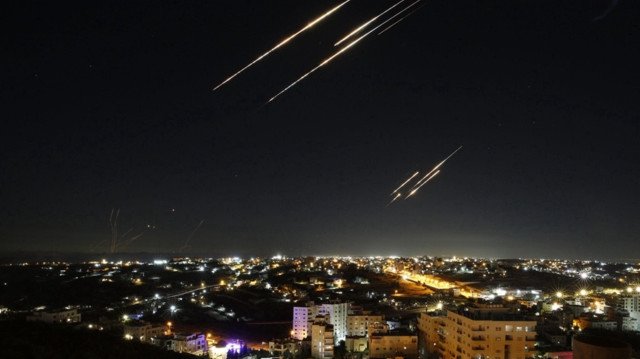
Iran’s Islamic Revolutionary Guard Corps (IRGC) claims that more than 650 U.S. military personnel have been killed or injured in the first two days of Operation True Promise Four. The attacks reportedly targeted both Gulf-based facilities and ships operating in deep waters, including the U.S. Fifth Fleet headquarters in Bahrain.
Brigadier General Ali Mohammad Nayee stated that four cruise missiles fired at the USS Abraham Lincoln from Iran’s southeastern coast forced the aircraft carrier to withdraw toward the southeast Indian Ocean. Separately, missile and drone strikes at the Fifth Fleet headquarters allegedly caused around 160 casualties. Reports also indicate serious damage to a key U.S. naval support vessel, further complicating operations in the region.
These developments follow a joint U.S.-Israeli strike that began last Saturday, prompting Iran to launch its counter-offensive. The IRGC’s operation is being described as Tehran’s most aggressive and sophisticated display since Ayatollah Khamenei’s directives, directly challenging American military influence in the Gulf.
Why This Matters
The attacks signal a shift in the balance of power in the Persian Gulf, demonstrating that Iranian forces can disrupt American operations even in heavily defended zones. Strategic analysts warn that the U.S. Navy, despite its advanced fleet, faces increasing operational vulnerability in a region where Iran has local geographic and technological advantages.
If confirmed, the casualty numbers represent a major human and political cost for Washington. Beyond immediate losses, the strikes could undermine U.S. deterrence, embolden regional adversaries, and complicate ongoing negotiations and military planning in the Middle East.
What Analysts or Officials Are Saying
Experts note that Abraham Lincoln’s withdrawal underscores a broader challenge: even the U.S.’s most advanced warships are not invulnerable to coordinated missile and drone attacks. Military analysts highlight that Iran’s approach combines precision targeting with psychological impact, putting U.S. commanders in a defensive posture while signaling Tehran’s capacity to project power.
Officials in Washington have not confirmed casualty figures, a typical pattern in sensitive military engagements. However, intelligence sources and battlefield reports cited by the IRGC suggest that American losses are significant, raising questions about the effectiveness of U.S. defensive measures in the Gulf.
Daljoog News Analysis
Daljoog News assesses that the current confrontation reflects both tactical and strategic recalibration by Iran. By demonstrating the ability to challenge U.S. naval dominance, Tehran is leveraging asymmetric warfare to offset American technological superiority. The retreat of the USS Abraham Lincoln may also indicate a temporary shift in U.S. operational posture, prioritizing risk reduction over assertive engagement.
At the same time, the reports of casualties and damaged assets could amplify domestic scrutiny in the United States, where political divisions over military strategy are already pronounced. How Washington responds in the coming days may determine whether the Gulf sees escalation or controlled containment.
What Happens Next
The U.S. military is likely to reassess force positioning in the Gulf while increasing intelligence, surveillance, and defensive readiness. Analysts predict further missile and drone threats against both sea-based and land-based targets.
Domestically, the situation will fuel debate in Washington about the scope of military authority and the cost of continued operations in Iran. The next few days will be crucial in shaping both the trajectory of the conflict and U.S. credibility in the region.