
The Women’s Super League (WSL) has raised serious concerns over FIFA’s inaugural Women’s Club World Cup, scheduled for January 5-30, 2028. Officials warn the timing could disrupt the domestic season and strain players already facing a congested schedule.
According to Daljoog News analysis, the mid-season timing clashes with key WSL fixtures and major global tournaments, threatening both competitive balance and commercial operations within English women’s football.
The announcement comes as the first edition of the Club World Cup has been postponed from 2026 to 2028, putting it in a year crowded with the Women’s World Cup in Brazil and the 2028 Summer Olympics in the United States.
What Happened?
FIFA confirmed the launch of a 16-team Women’s Club World Cup at its Congress on December 16, 2027, with the first tournament set for January 2028. The decision follows a two-year delay from the original 2026 plan, intended to give stakeholders more preparation time.
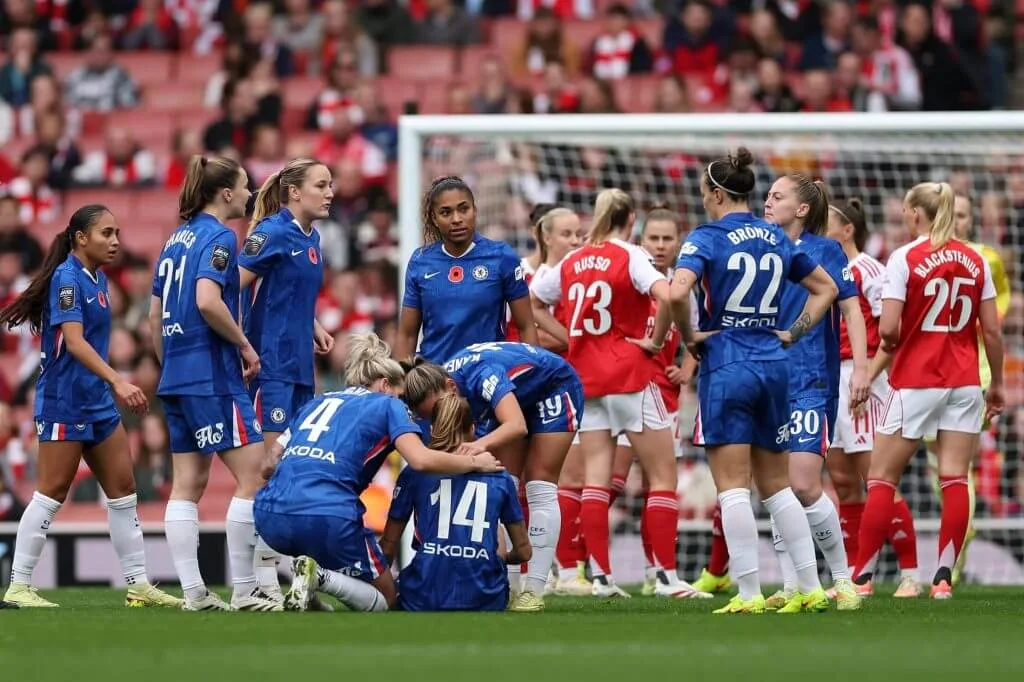
WSL Football, the governing body for the top two tiers of English women’s football, says the January window directly conflicts with at least five scheduled WSL matchdays. Clubs likely to qualify include Arsenal, the current Champions League holders, Chelsea, and at least two other top-tier teams.
The exact location and qualification process for the tournament remain unconfirmed, raising concerns over travel logistics and additional fixture congestion. WSL officials stress that no meaningful consultation occurred despite FIFA’s claims.
Why This Matters
The WSL warns that the tournament’s timing could have severe consequences for the league’s integrity, player welfare, and commercial operations. A spokesperson stated that the schedule could range from “inconvenient” to “catastrophic” for English women’s football.
Introducing a major mid-season tournament risks overloading elite players who already face packed schedules. The WSL notes that while many professional players still experience under-loading, top performers frequently endure back-to-back matches with minimal recovery periods.
The potential for conflict between FIFA and domestic clubs also carries commercial risk. Sponsors and broadcasters depend on consistent league schedules, and disruption could affect revenue streams.
What Analysts or Officials Are Saying
FIFA officials maintain the schedule was agreed upon after stakeholder consultations. Chief Football Officer Jill Ellis said the governing body presented two potential windows for the tournament and selected the option with “consensus among confederations and stakeholders.”
However, WSL representatives dispute the quality of this consultation. They claim their feedback was neither acknowledged nor integrated into the planning process, calling it “not meaningful consultation.”
Player unions have also voiced concerns, emphasizing the need for dedicated prize money, equitable distribution mechanisms, and safeguards against overuse. A recent FIFPRO report highlighted the dual challenges of under-loading and overloading in women’s football, warning that additional competitions could worsen elite player burnout.
Daljoog News Analysis
The WSL’s response illustrates the growing tension between FIFA’s push for global club competitions and domestic leagues’ responsibility to protect players and maintain competitive balance. The January window for the Club World Cup seems particularly ill-timed, coming just six months after the Women’s World Cup in Brazil and months before the Olympic Games.
While global tournaments offer commercial opportunities and increased exposure, the lack of coordination risks alienating clubs and players. For English football, a league still establishing its financial and operational stability, a poorly timed global tournament could undercut both growth and player welfare.
Daljoog News assesses that FIFA may need to rethink its approach for the 2028 edition, possibly moving the tournament to a summer slot to minimize clashes with domestic leagues and major tournaments. Failure to do so could set a precedent of friction between governing bodies and domestic competitions.
What Happens Next
WSL Football has not blocked clubs from participating and currently plans no boycott. Officials emphasize negotiation over confrontation, aiming to reach a solution that balances global ambitions with domestic realities.
Stakeholders will continue discussions with FIFA, backed by data and player welfare considerations. Future tournaments could see scheduling adjustments or more robust consultation mechanisms to avoid repeating the current tensions.
For clubs, the window may force difficult decisions: participate and risk league disruption, or push for structural changes to protect players. How FIFA responds could define the early legacy of the Women’s Club World Cup and its relationship with Europe’s top domestic leagues.
The unfolding debate highlights a critical question for women’s football: how to grow the game globally without compromising the domestic structures that support players and clubs.