



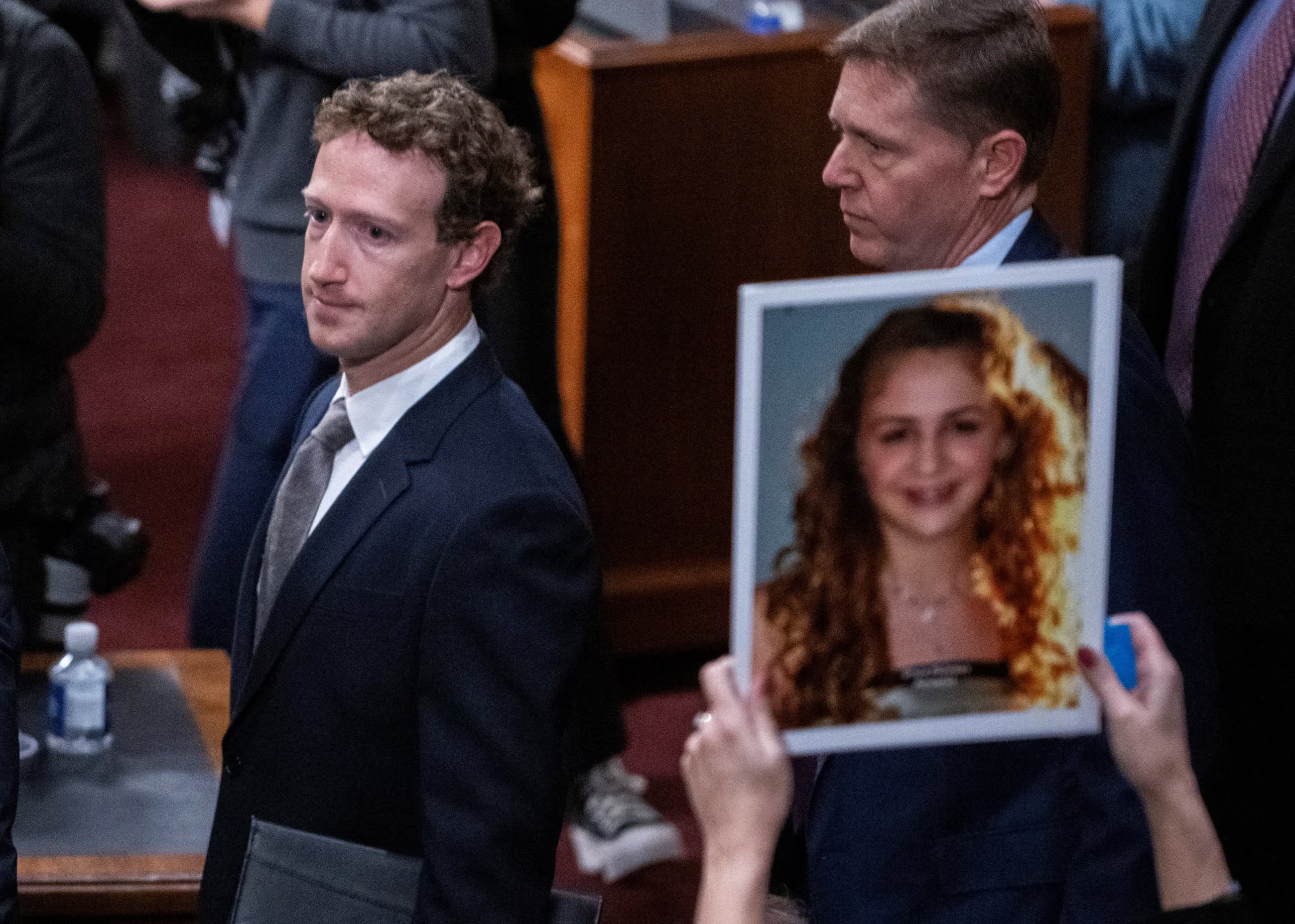
Meta, the parent company of Facebook and Instagram, has been hit with a $375 million fine after investigations revealed its platforms were exploited for child trafficking. The ruling comes after evidence showed children were targeted and exploited via social media during the COVID-19 pandemic.
According to Daljoog News analysis, the case underscores the risks of technological platforms when safeguards fail. Even global tech giants are vulnerable to their systems being used for severe human rights abuses if oversight is insufficient.
The verdict also sends a broader signal to social media companies worldwide: failure to proactively prevent exploitation can lead to significant legal and reputational consequences.
What Happened?
The investigation began after a leaked tip revealed that Facebook and Instagram were being used to facilitate the sexual exploitation of minors. Human rights journalist Melinda McNamara led a detailed probe, collaborating with anti-trafficking organizations and law enforcement.
Findings showed that perpetrators targeted minors through private accounts and messaging, forming relationships before selling or exploiting them. On Instagram, Stories were used to advertise victims, while Facebook Messenger contained negotiation scripts and discussions about logistics and payments.
Authorities in the United States confirmed that these incidents were not identified or prevented by Meta’s systems. Annual reports indicated that child trafficking on social media platforms had been rising by nearly 30 percent, a surge worsened by increased online activity during the COVID-19 lockdowns.
The investigation’s findings were published in April 2023 and later became crucial evidence in a court case filed by the Attorney General of New Mexico. The lawsuit accused Meta of turning its platforms into a de facto market for child exploitation.
Why This Matters
The ruling highlights the social consequences of failing to safeguard digital platforms. Meta’s global reach meant that vulnerabilities in its systems directly translated into harm for millions of minors.
Beyond the financial penalty, the case emphasizes accountability in the tech industry. Governments, regulators, and civil society are increasingly demanding robust protective measures, transparency, and consequences for negligence in the online environment.
It also illustrates the growing intersection of technology, law, and human rights. Companies can no longer treat safety as optional; failure to act against exploitation has immediate, tangible repercussions.
What Analysts or Officials Are Saying
Legal experts note that the case sets a precedent for how tech platforms are held accountable for content-related harms. Analysts observe that the fine, while significant, is only part of the broader reputational and operational impact Meta faces globally.
Human rights advocates say the investigation demonstrates the necessity of independent monitoring and third-party audits to ensure children’s safety online. Officials in the United States have also emphasized that legal actions against tech companies must continue until systemic protections are effectively implemented.
Meta representatives have stated that they intend to appeal the ruling, maintaining their commitment to child safety, while claiming that their systems now include measures to detect and prevent exploitation.
Daljoog News Analysis
This case demonstrates the stark consequences of technological negligence. Even advanced systems can be manipulated for abuse if proactive monitoring, enforcement, and accountability are insufficient.
The ruling against Meta signals a turning point for global social media governance. Companies must now balance innovation with rigorous oversight, ensuring that growth and user engagement do not come at the expense of human safety.
The investigation also reflects broader societal lessons: digital platforms can magnify harm as easily as they enable connection. Without robust safeguards, the social cost can be catastrophic.
What Happens Next
Meta’s appeal will likely prolong legal proceedings, but the verdict already underscores a growing trend of regulatory scrutiny over online safety.
Globally, governments and advocacy groups are expected to push for stricter oversight, mandatory reporting, and more aggressive intervention to prevent child exploitation.
The case also raises questions about how other tech platforms handle safety challenges, setting the stage for increased regulatory pressure and potential fines for failure to protect vulnerable users.