



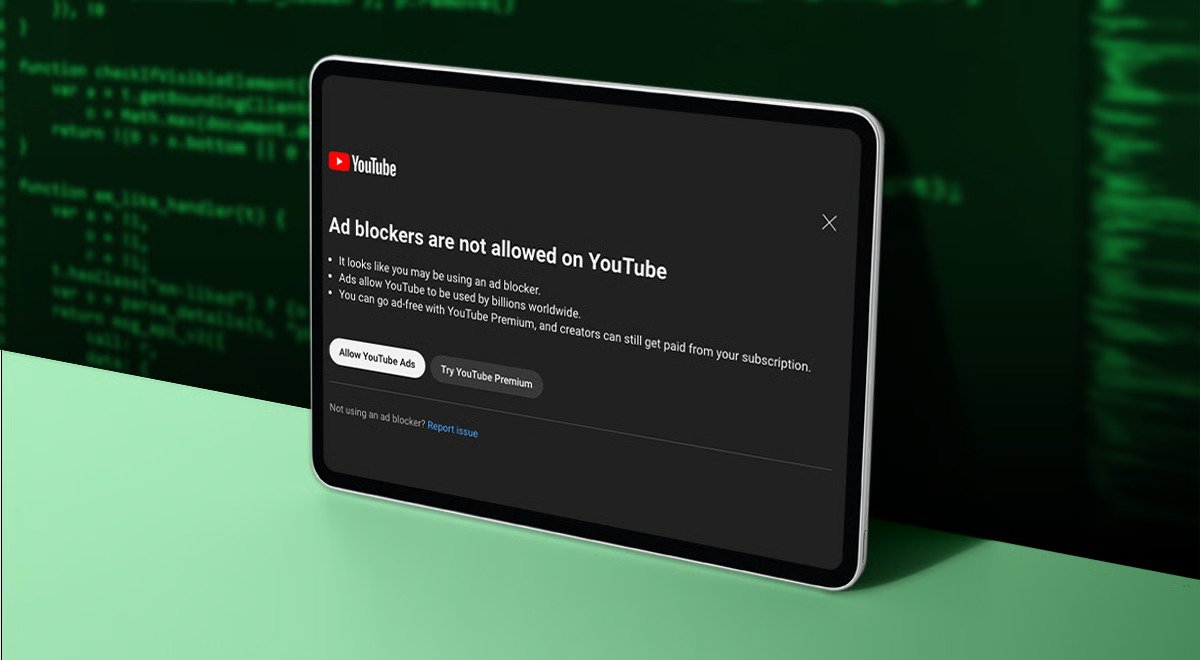
YouTube has intensified its crackdown on ad-blocking tools, limiting user access to core features across the platform. Some viewers have reported that comments, video descriptions, and even playback itself are blocked until ad blockers are disabled.
According to Daljoog News analysis, this move appears to reinforce YouTube’s push toward its Premium subscription, highlighting the platform’s increasing dependence on ad revenue and subscriber growth.
The changes come after years of incremental adjustments to YouTube’s ad algorithms, which have gradually allowed more ads to bypass traditional ad-blocking software, leaving users exposed to longer commercial breaks.
What Happened?
Over the past week, multiple users reported on Reddit that YouTube disabled video comments for anyone running an ad blocker. Some noted that descriptions and other interface elements disappeared as well. In certain cases, playback was entirely unavailable until the blocker was turned off.
One user compiled a list of additional limitations, including extended pre-roll ads and temporary lockouts after watching a few videos. Others reported seeing prompts to subscribe to YouTube Premium immediately after re-enabling ads, reinforcing suspicions that the platform is nudging users toward paid subscriptions.
Interestingly, not all ad-blocking setups were affected. Users running combinations like Brave browser and uBlock Origin reported uninterrupted playback without encountering ads, suggesting that the restrictions may target specific extensions or detection methods.
Why This Matters
YouTube’s aggressive measures underscore the platform’s growing emphasis on monetization. By restricting basic functionality, the company is signaling that ad-free viewing is not optional unless users pay for Premium.
The shift also highlights broader tensions between users seeking uninterrupted viewing experiences and platforms reliant on ad revenue. For content creators, more enforced ad views could mean increased revenue streams, while casual users face diminishing control over their experience.
What Analysts or Officials Are Saying
Tech analysts suggest this crackdown is part of a larger trend in the streaming ecosystem, where major platforms balance user experience against revenue needs. Experts point out that YouTube is likely refining its ad-detection algorithms to identify ad-blockers more accurately, rather than targeting users arbitrarily.
Observers note that while the restrictions may frustrate some users, they also represent a calculated incentive to adopt YouTube Premium, especially given the ongoing rise in subscription-based streaming models.
Daljoog News Analysis
YouTube’s latest enforcement measures illustrate the platform’s broader strategy: monetization through controlled access. By making features like comments and playback contingent on ad visibility, the company is applying pressure on viewers while still avoiding complete alienation of its audience.
For users, the changes highlight the challenges of maintaining a truly ad-free experience on a site that generates billions through advertising. The varied results across browsers and extensions also indicate that YouTube’s methods are still evolving, creating a cat-and-mouse dynamic between the platform and ad-blocking developers.
What Happens Next
As YouTube continues refining its ad-detection techniques, more users may encounter feature restrictions unless they switch to Premium or adjust their browsing setup. The platform may also expand enforcement to other ad-blocking tools or environments, creating additional pressure on viewers to subscribe.
For now, the crackdown serves as a reminder that the battle over ad-free content on major platforms is far from over, with YouTube leading the charge in combining user incentives with monetization strategies.