


Fujian Province in southeast China is stepping up efforts to boost its cultural and tourism economy. The province is exploring unique cultural resources and creating new ways for people to enjoy arts, heritage, and local experiences.
In Fuzhou, the provincial capital, visitors recently attended cultural and creative product fairs at Xihu Park. Tourists and residents had the chance to explore handicrafts, artwork, and traditional designs. These events are designed to bring culture closer to people while supporting local businesses.
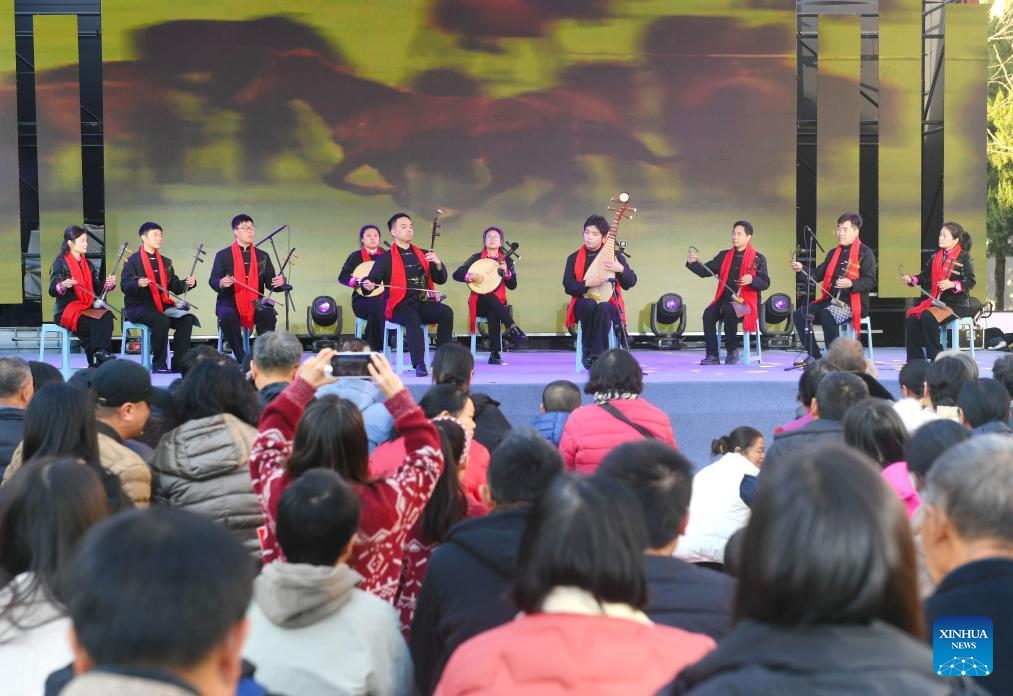
Artists performed opera and immersive drama shows, engaging audiences with interactive experiences. Performances included traditional Peking Opera and local storytelling, allowing spectators to connect with China’s cultural heritage in fresh and innovative ways.
Cultural events also extended to Sanfangqixiang, a historic area known as Three Lanes and Seven Alleys. Here, performers staged interactive shows that encouraged visitors to participate in traditional arts. Tourists even wore intangible cultural heritage headpieces, such as the “three hairpins,” to experience historical customs firsthand.
Officials said these efforts are part of a broader strategy to diversify cultural consumption. By offering a variety of scenarios, formats, and creative experiences, Fujian aims to attract more visitors and strengthen its tourism sector. The province hopes these initiatives will create a high-quality growth model for the cultural economy that balances heritage preservation with modern entertainment.
Cultural and creative fairs in Fuzhou have been particularly successful, showcasing local craftsmanship and innovative designs. Visitors can interact with artists, learn about traditional techniques, and purchase handmade products, further supporting the local economy.
The promotion of cultural tourism also focuses on education and awareness. By involving citizens in performances and exhibitions, Fujian is fostering a deeper appreciation for its artistic and historical assets. Students and young audiences are encouraged to participate, helping to preserve cultural traditions for future generations.
Officials emphasize that these programs not only attract domestic tourists but also appeal to international visitors. Fuzhou and surrounding areas have become destinations for travelers interested in arts, heritage, and immersive experiences.
Local artists and cultural organizations have praised the initiatives for providing new platforms to share their work. Performers like opera enthusiasts and directors from institutions such as the Peking Opera Institution of Fujian have been able to reach wider audiences through these events.
Fujian’s approach demonstrates how cultural and tourism growth can be integrated. By combining performances, interactive exhibitions, and creative products, the province is creating a vibrant cultural economy that supports businesses, artists, and communities.
Tourists like Huang Wanru, who attended recent events, described the experience as both entertaining and educational. Participants leave with a stronger connection to local culture and a better understanding of the traditions that define Fujian.
As these cultural tourism initiatives continue, Fujian is positioning itself as a model for other regions. By exploring distinctive cultural resources and offering innovative formats, the province is driving economic development while celebrating its rich heritage.
Fujian’s strategy reflects a growing trend in China to invest in culture-led tourism, using local arts, historical areas, and interactive experiences to attract visitors and stimulate economic growth.