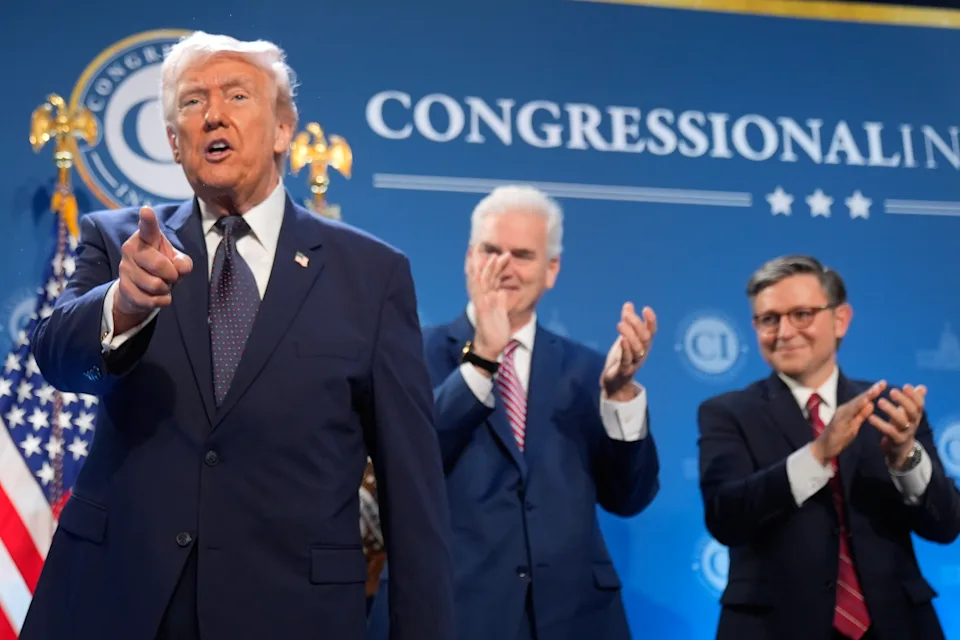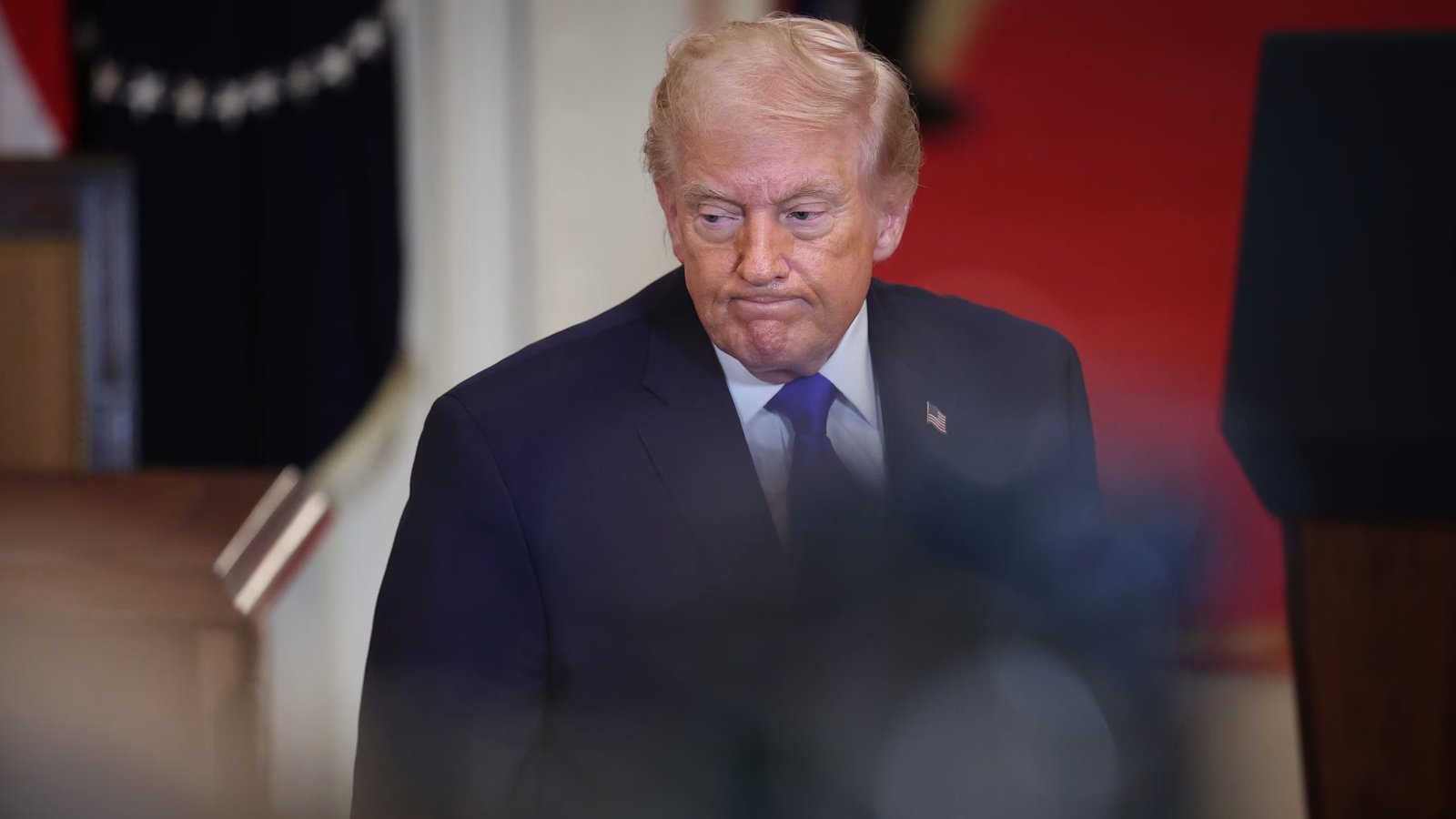



US President Donald Trump announced on November 29 that the airspace in and around Venezuela should be considered entirely closed. He warned airlines, pilots, and traffickers to stay out of the skies above the South American nation.
This declaration follows Trump’s earlier statements hinting at possible land strikes in Venezuela. He framed these measures as part of a broader campaign to combat narcotics networks in the region.
“To all airlines, pilots, drug dealers, and human traffickers, please consider the airspace above and surrounding Venezuela to be closed in its entirety,” Trump said. “Thank you for your attention to this matter.”
The announcement drew a swift condemnation from Venezuela’s foreign ministry. Caracas called the airspace declaration an illegal and aggressive act, accusing Washington of trampling on Venezuelan sovereignty.
“Venezuela denounces and condemns the colonialist threat that seeks to affect the sovereignty of its airspace, constituting yet another extravagant, illegal, and unjustified aggression against the Venezuelan people,” the ministry said.
The move comes as the US has increased its military presence in the Caribbean. Naval and air assets have been deployed near Venezuelan shores, signaling heightened tensions in the region.
On November 27, Trump indicated that US forces might soon launch operations on land in and around Venezuela. Until now, US efforts have primarily targeted maritime routes used for narcotics trafficking.
Trump emphasized that his administration has made significant progress in reducing drug shipments by sea. “We’ve almost stopped it by sea—about 85%,” he said. “People aren’t trying to send their poisons by sea anymore. We’re now preparing to stop it by land, and that will start very soon.”
The president framed these measures as protecting American lives, citing the harm caused by drugs entering the United States. He praised military and law enforcement personnel for their efforts to disrupt traffickers’ operations.
Venezuelan authorities, however, rejected Trump’s claims and warned that the airspace closure is a violation of international law. The country insists that only it has the authority to control its skies and decide which flights are allowed.
Experts say the closure could further escalate tensions between the US and Venezuela. International law generally recognizes a nation’s right to control its own airspace, making Trump’s unilateral move highly controversial.
The Venezuelan government also called for support from regional partners, urging Latin American nations to condemn what it describes as US aggression. The country has long accused Washington of attempting to interfere in its internal affairs.
The announcement comes amid ongoing concerns over drug trafficking in the region. The US claims Venezuela serves as a hub for narcotics that reach American shores, though Venezuelan officials deny state involvement.
Trump’s statements also suggested a phased approach, with maritime routes targeted first and land-based trafficking operations addressed next. He said US forces are preparing to take decisive action to halt shipments heading north.
Observers warn that the airspace closure and military buildup may heighten risks of accidental encounters or clashes between US and Venezuelan forces. Analysts say careful coordination and diplomacy will be needed to avoid escalation.
Despite the controversy, Trump framed the actions as a success in his administration’s war on drugs. He said efforts to cut maritime shipments have already reduced the flow of narcotics into the US and that land operations will soon follow.
The situation remains tense, with both nations standing firm in their positions. Venezuelan officials vow to defend national sovereignty, while the US signals it will continue aggressive measures to disrupt trafficking networks.
The airspace closure represents a dramatic escalation in US-Venezuela relations, highlighting the ongoing struggle over narcotics control, regional security, and international authority.