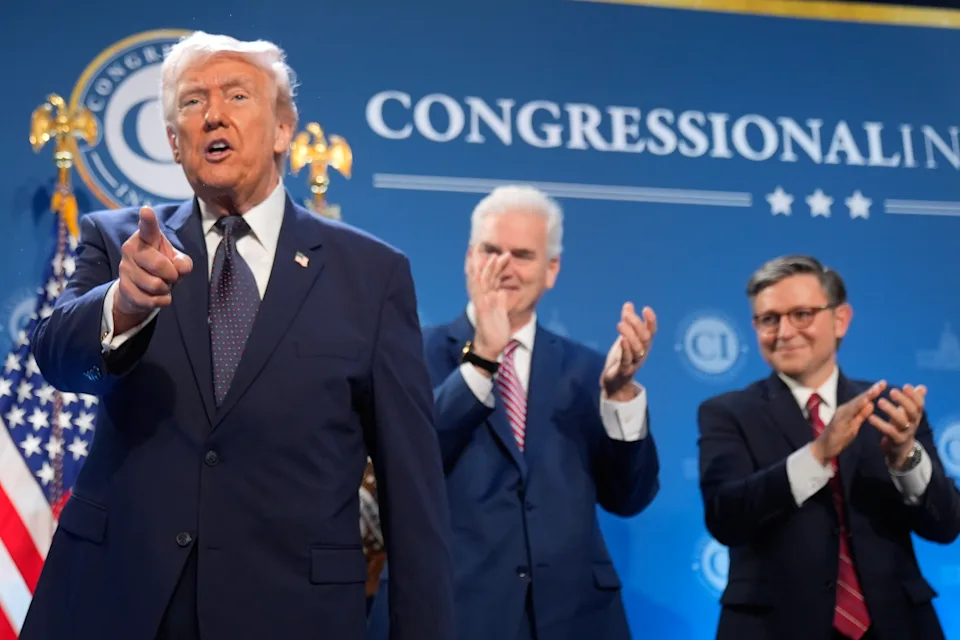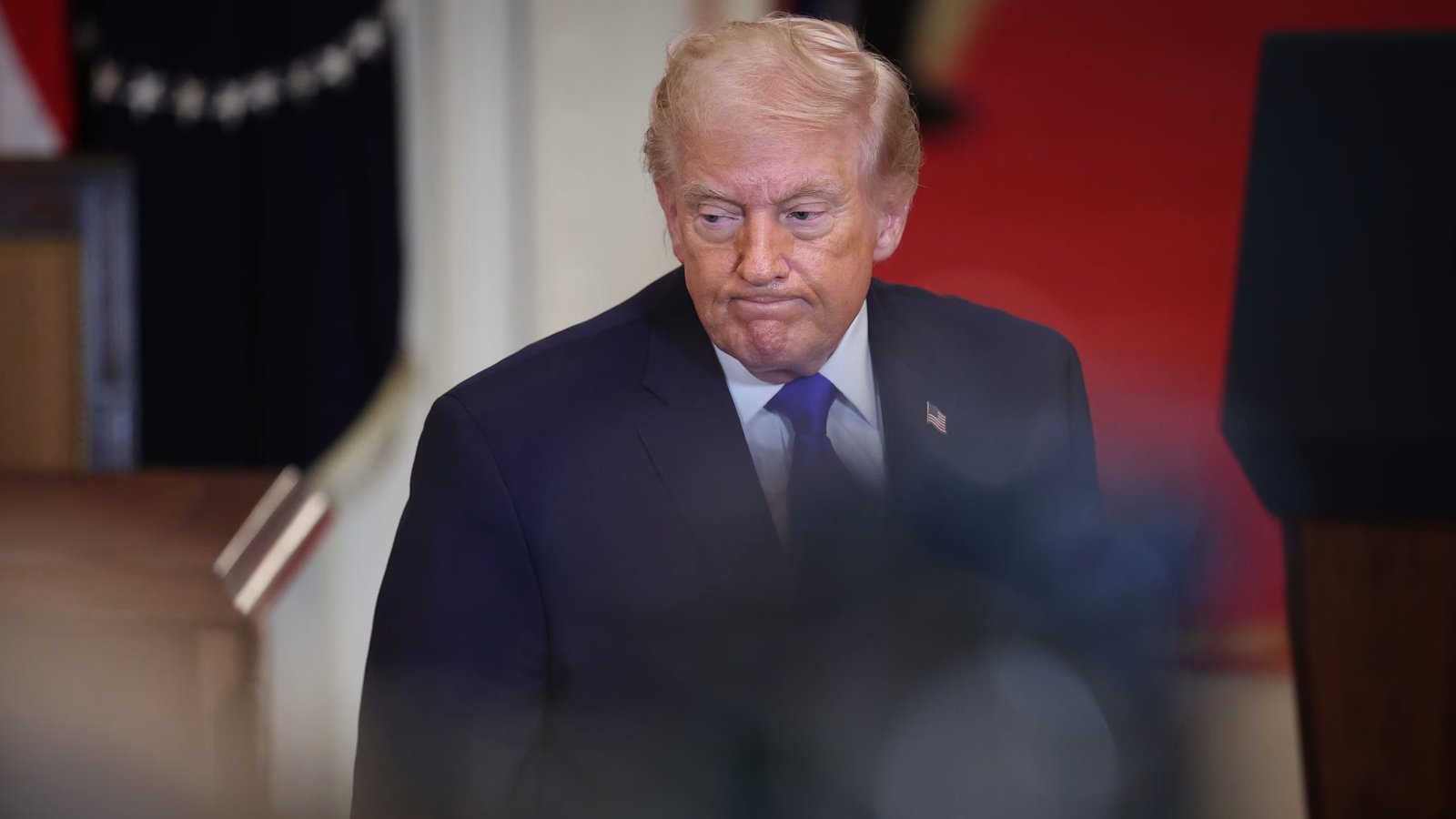



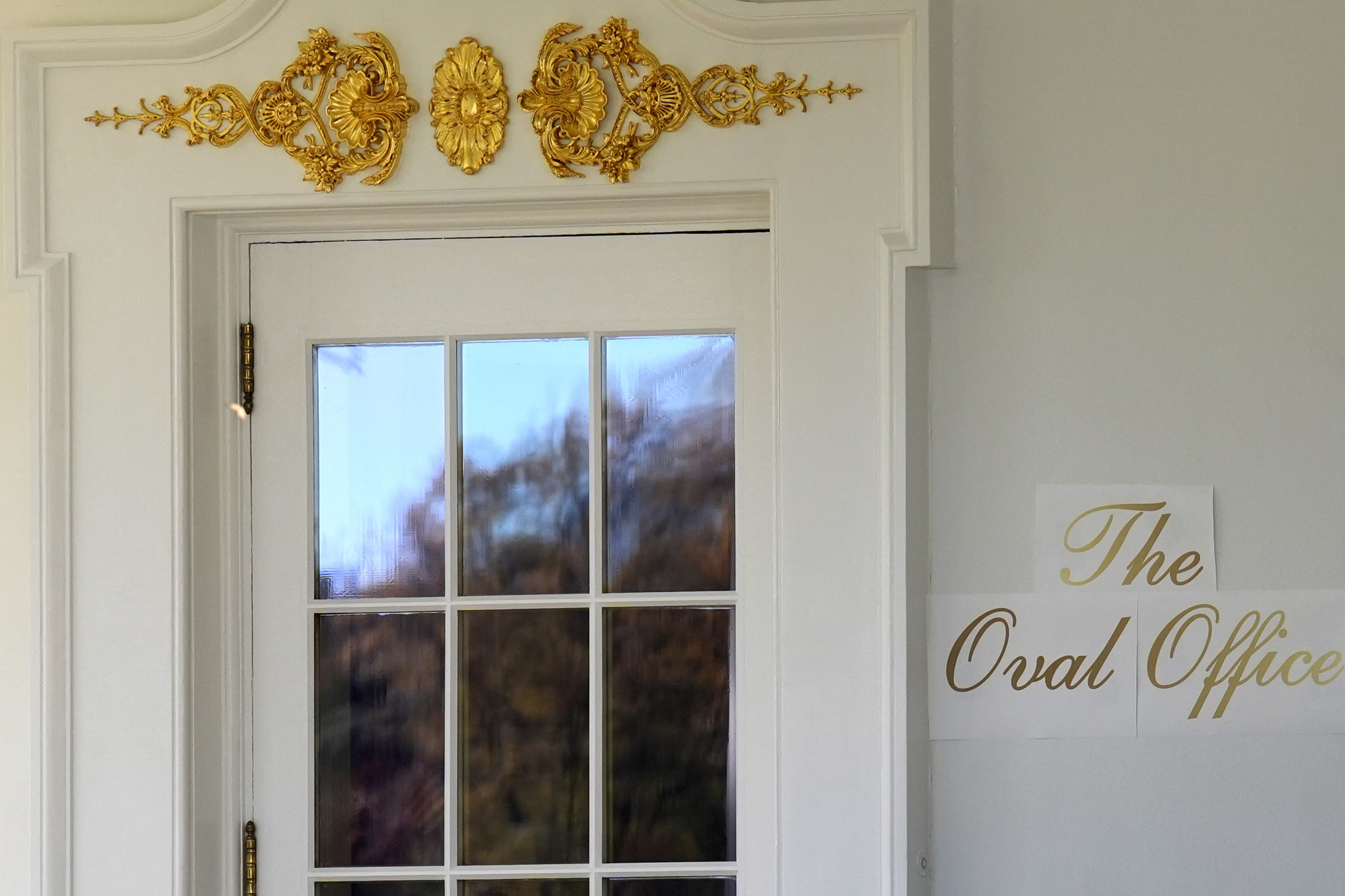
A new addition to the White House decor has stirred public anger this week. President Donald Trump installed a shiny gold sign beside the Oval Office door, a move many lawmakers call tone-deaf as the country endures its longest government shutdown in history.
The sign, written in gold cursive script, marks the latest change in Trump’s ongoing transformation of the White House. His recent projects include demolishing the East Wing to make space for a $300 million ballroom. The opulent additions have been widely criticized as out of touch with the struggles of ordinary Americans.
The controversy comes at a difficult moment for millions who rely on government support. Due to the prolonged shutdown, the Supplemental Nutrition Assistance Program (SNAP) will distribute only half of its usual benefits this month. Lawmakers warn that the cuts could leave millions without enough food and further strain households already struggling with rising costs.
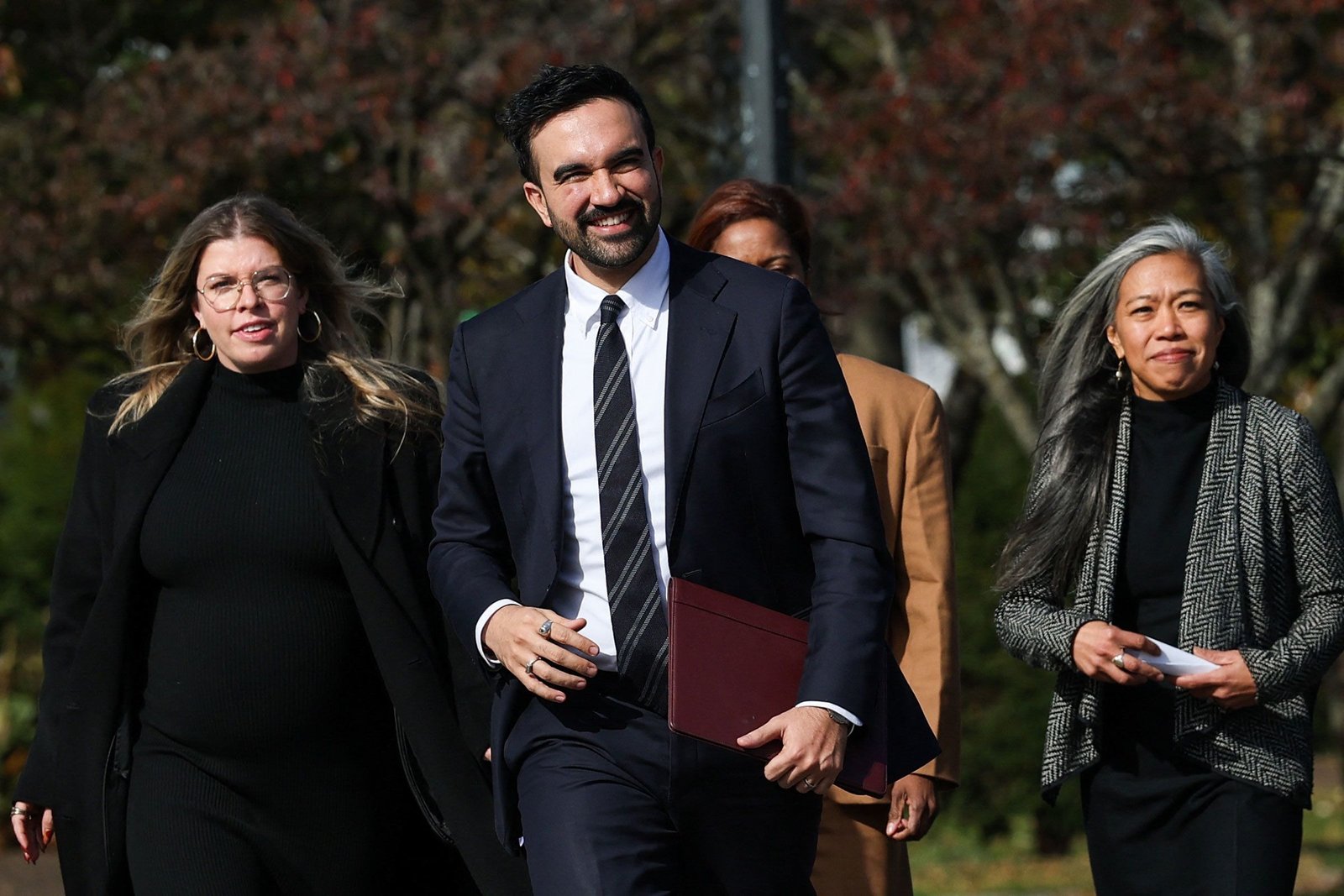
Pennsylvania congressman Malcolm Kenyatta voiced his frustration on social media after photos of the new sign began circulating. He criticized the lavish display, saying that while Americans face severe hardship, the president seems focused on gold decorations. “Forty-three million Americans are at risk of losing food benefits, and health care costs are rising even higher,” Kenyatta said, reflecting growing anger among both Democrats and some independents.
Delaware senator Lisa Blunt Rochester also condemned the move. She said she wished the administration would focus on policies that help working families rather than symbolic gestures that highlight wealth and privilege.
Public reaction has been equally intense. Across social media, users mocked the design and questioned the timing. Memes and edited photos flooded platforms, turning the gold sign into a symbol of political excess. Many noted that Trump’s lavish renovations seemed disconnected from the country’s real issues, especially as the shutdown affects millions of federal workers and low-income families.
The uproar follows another controversial decision by Trump last month. His demolition of the White House’s East Wing to build the new ballroom caused widespread outrage. A national poll conducted by Washington Post, ABC News, and Ipsos showed that more than half of Americans disapproved of the construction, calling it unnecessary during a time of financial hardship.
Florida congressman Jared Moskowitz weighed in with a sarcastic remark, saying, “Good, new signage means he won’t knock it down.” His comment referred to the president’s ongoing changes to the historic building.
Meanwhile, California governor Gavin Newsom’s office joined the criticism. After the successful passage of Proposition 50—a measure framed as a defense of democracy against Trump’s influence—his team posted a photoshopped image online that read “Live, Laugh, Lose” instead of “The Oval Office.” The joke quickly went viral, adding fuel to the debate over Trump’s remodeling decisions.
Critics argue that Trump’s gold-themed renovations echo his personal brand more than the dignity of the presidency. Political analysts say these symbolic gestures reinforce a narrative of luxury and power while millions of Americans face uncertainty over paychecks, food access, and healthcare.
Supporters of the president, however, claim that such projects reflect confidence and pride in American leadership. They argue that the media’s focus on the sign distracts from his broader political agenda.
Still, for many, the contrast remains stark. The sight of a gold-plated Oval Office sign, gleaming in the midst of a crisis, has become an emblem of what opponents call misplaced priorities. As the shutdown drags on and millions await relief, the controversy continues to grow—shining a harsh light on both the symbolism and substance of Trump’s presidency.