



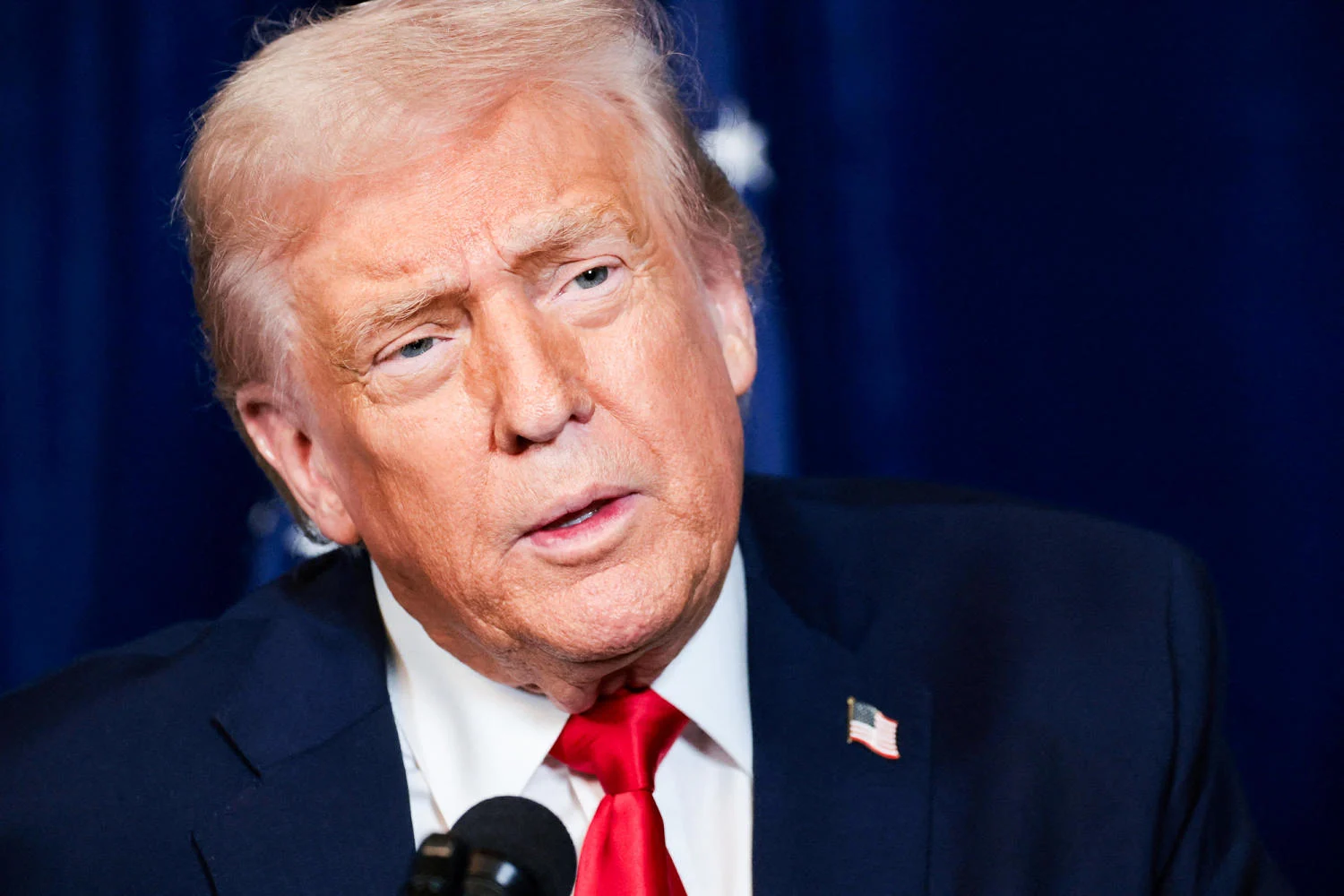
President Donald Trump issued the first vetoes of his second term this week, rejecting two bills that had passed Congress with bipartisan support.
On Monday, Trump vetoed the Finish the Arkansas Valley Conduit Act, a pipeline measure, and the Miccosukee Reserved Area Amendments Act, which would expand land for the Miccosukee Tribe in Florida, the White House said.
The pipeline bill had passed both the House and Senate by voice vote, showing broad bipartisan approval. The legislation aimed to complete a pipeline project to deliver clean water to southeastern Colorado, a long-delayed initiative.
In a letter to the House explaining his veto, Trump cited the high cost and slow progress of the pipeline project. “Enough is enough,” he wrote. “My administration is committed to preventing American taxpayers from funding expensive and unreliable policies. Ending the massive cost of taxpayer handouts and restoring fiscal sanity is vital to economic growth and the fiscal health of the Nation.”
The bill’s sponsor, Rep. Lauren Boebert, R-Colo., said on social media, “This isn’t over,” signaling her intention to push for a congressional override.
Colorado’s two Democratic senators criticized the veto. Sen. Michael Bennet called it part of a “revenge tour,” while Sen. John Hickenlooper accused Trump of “playing partisan games and punishing Colorado by making rural communities suffer without clean drinking water.” Hickenlooper urged Congress to override the veto, which requires a two-thirds majority in both the House and Senate.
The second veto involved the Miccosukee Reserved Area Amendments Act, which would expand the Miccosukee Reserved Area in Florida to include part of the Everglades National Park known as Osceola Camp. The legislation also passed Congress by voice vote.
The bill was sponsored by Rep. Carlos Gimenez, R-Fla. Trump said in his veto letter that the Miccosukee Tribe was attempting “to obstruct reasonable immigration policies that the American people decisively voted for when I was elected.” Gimenez’s office did not immediately comment.
During his first term, Trump vetoed ten bills, but Congress overrode only one. His first veto came two years into his presidency, when he rejected a Senate joint resolution aimed at ending a national emergency he had declared on the Southern border.
Trump’s vetoes this week mark a decisive move early in his second term. Both measures had strong bipartisan backing, showing that his actions could face significant political pushback.
The Arkansas Valley Conduit project has been a priority for Colorado lawmakers for years. Its purpose is to provide safe, clean water to rural communities that have faced water scarcity and quality issues. The veto delays this essential infrastructure project, leaving residents and local officials concerned about the timeline.
For the Miccosukee Tribe, the veto blocks an expansion that supporters said would help preserve cultural and environmental heritage. Tribal leaders have argued that the land addition would provide better protection for their community and natural resources.
The political debate over Trump’s vetoes reflects broader tensions between executive authority and congressional priorities. Congress now has the option to challenge the vetoes, but achieving the required two-thirds majority in both chambers will be difficult, especially given the partisan divides.
Observers say these early vetoes send a strong message about Trump’s approach to governance in his second term. They demonstrate his willingness to reject legislation he views as fiscally irresponsible or contrary to his policy goals, even when bills have wide congressional support.
Lawmakers, constituents, and advocacy groups are now closely watching the next steps. Any congressional attempts to override the vetoes will test the balance of power and set the tone for legislative-executive relations in the coming months.
Trump’s action underscores the ongoing debate over infrastructure, tribal land rights, and executive authority in the United States. These vetoes highlight how early-term decisions can shape policy discussions and influence public perception as his administration moves forward.