


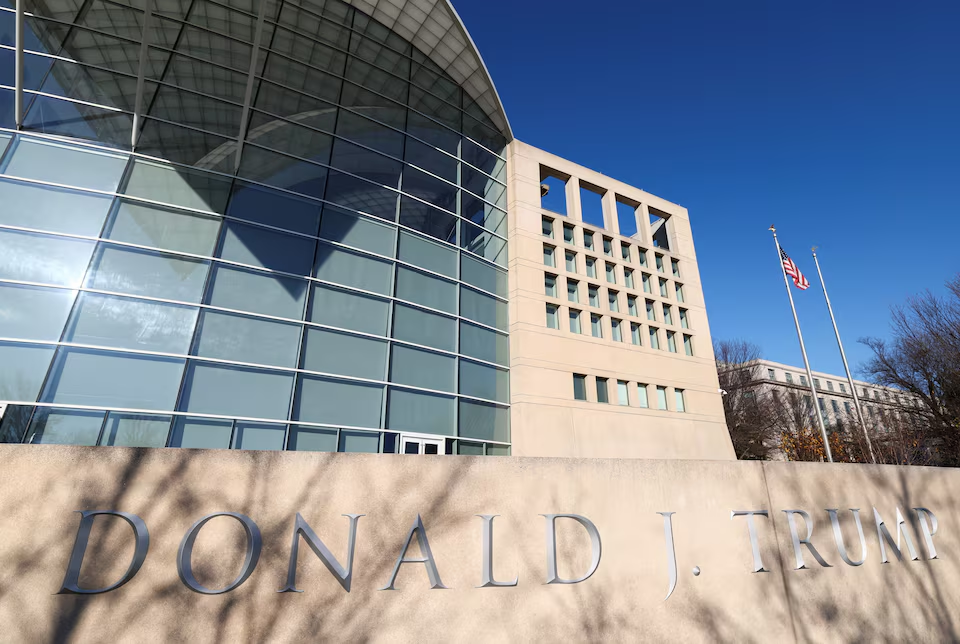
The name of President Donald Trump has been added to the United States Institute of Peace building, marking a new point of tension during an ongoing legal fight over the future of the institute. The addition was confirmed on Wednesday and quickly drew strong reactions from staff and leadership.
The United States Institute of Peace, often called a national center for conflict study and peace support, has been the subject of a major dispute. The Trump administration has pushed to reduce or dismantle parts of the institute, arguing that it has not met its goals. This battle has now moved into the courts, where officials are fighting the administration’s efforts.
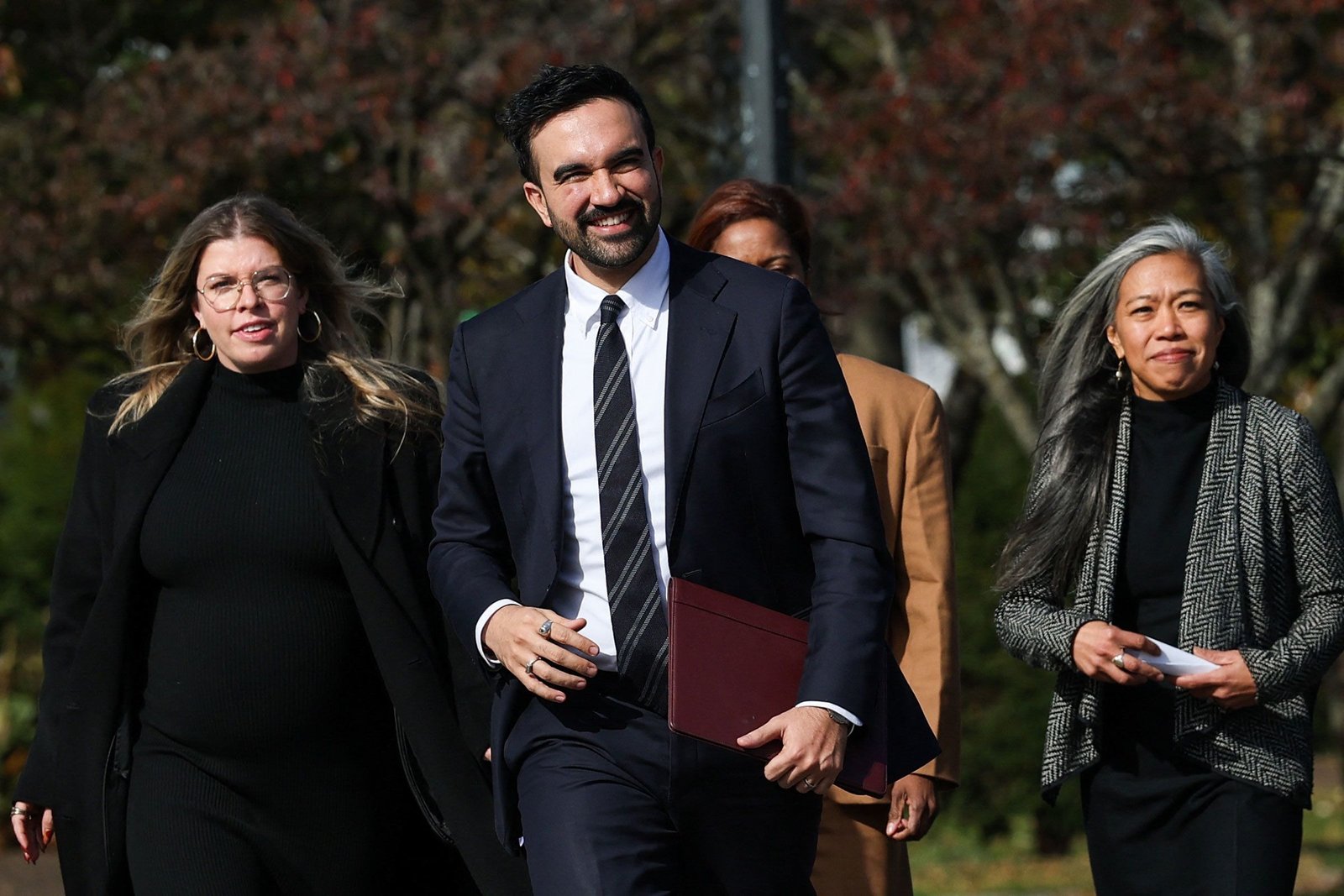
A lawyer representing institute leaders and staff criticized the move to add Trump’s name. The lawyer said the change “adds insult to injury,” noting that many people who worked at the institute view the rename as an attempt to rewrite its mission. members also expressed concern that the addition could affect the institute’s long-term standing and public trust.
The administration responded with a written statement defending the decision. The statement said the institute spent millions each year “while delivering no peace.” It claimed the rename was part of a broader effort to improve the building and its work. The administration also said the building is “now beautiful,” suggesting that new changes will support the building’s future goals.
The conflict over the institute goes beyond the sign on the building. The legal case centers on whether the administration has the right to reshape or remove parts of the organization. Supporters say the institute continues to play a major role in global conflict study, training, and peace efforts. Critics argue that the group has lacked clear results and oversight.
Experts say the legal fight may take months to settle. Until a ruling is made, questions remain about how much control the administration can exercise over an independent institute created to support peace research. Legal analysts also note that the case could set new limits on how future administrations handle similar organizations.
The addition of Trump’s name has also sparked debate among observers who study government institutions. Some see it as a symbolic move meant to send a message about policy direction. Others say it may complicate the institute’s work, since some global partners might now see the building as political rather than independent.
Former staff members said the rename was unexpected. Many said they learned about it only after the sign was installed. Some worry that the change will make it harder for the institute to maintain its neutral role on global issues. They say the group was created to help reduce conflict through study and training, not politics.
Supporters of the rename say the change brings new attention to a building that needed more public support. They argue that the institute should provide clear results for the money it receives. They also say the new name does not change the group’s mission, but instead highlights the need to show progress.
The debate is expected to grow as the court case continues. The legal team for the former staff says it plans to use the rename as an example of what they call overreach by the administration. Their goal is to stop what they view as harmful changes.
The administration says it will continue moving forward with its plans. Officials argue that the institute must be updated to meet new needs and that the rename is part of that process.
For now, the name remains on the building. The final decision on the institute’s future will depend on the courts, public reaction, and how the debate unfolds in the coming weeks. The rename has already sparked strong views, showing how a simple sign can shape a larger national discussion on peace, policy, and public trust.