

Close Menu
Daljoog News
    What's Hot
    2026 World Cup Winner Prize $50M

    2026 World Cup Winner Prize $50M

    December 18, 2025
    Qualcomm AI Automotive Revolution Ahead

    Qualcomm AI Automotive Revolution Ahead

    December 18, 2025
    New England Luxury Hotels Make Forbes List

    New England Luxury Hotels Make Forbes List

    December 18, 2025
    Facebook X (Twitter) Instagram
    Saturday, December 20
    Daljoog News
    Facebook X (Twitter) YouTube Instagram
    • Home
    • General
    • World
    • Business
    • Technology
    • Politics
    • Finance
    • Health
    • Lifestyle
    • Sports
    • Travel
    Daljoog News
    Home»Finance»U.S.-China Trade War Impact on Global Economy 2025
    Finance

    U.S.-China Trade War Impact on Global Economy 2025

    Andrew RogersBy Andrew RogersMay 26, 2025Updated:May 26, 2025No Comments4 Mins Read
    Facebook Twitter Pinterest LinkedIn Tumblr Email
    Follow Us
    Google News
    U.S.-China Trade War
    U.S.-China Trade War
    Share
    Facebook Twitter LinkedIn Pinterest Email

    The U.S.-China trade war, which began in 2018, remains a key factor in shaping the global economic landscape in 2025. This prolonged conflict, characterized by tariffs, trade restrictions, and technology disputes, has had far-reaching consequences for both nations and the world economy. Despite multiple negotiation rounds and partial agreements, the core issues remain unresolved.

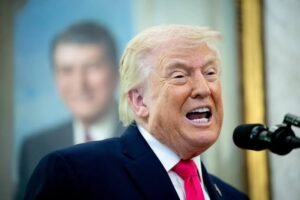
    The trade war officially started under the administration of President Donald Trump, who imposed tariffs on steel and aluminum imports, citing national security concerns. These measures quickly escalated into a series of tit-for-tat tariffs, with the United States targeting over $360 billion worth of Chinese goods and China responding with tariffs on more than $110 billion in U.S. exports. The initial justification focused on reducing the large U.S. trade deficit with China, but the conflict soon expanded to include deeper concerns such as intellectual property theft, forced technology transfers, and state subsidies.

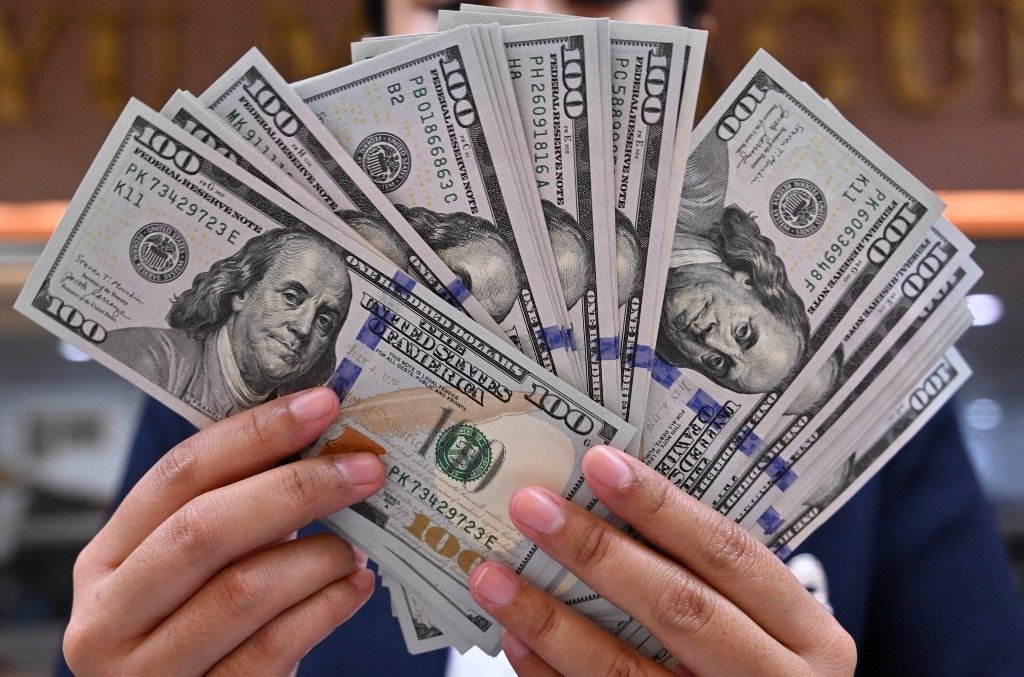
    In early 2020, the two sides signed a Phase One trade agreement. Under this deal, China pledged to purchase an additional $200 billion in U.S. goods and services over two years, while the United States agreed to reduce some tariffs. However, the onset of the COVID-19 pandemic disrupted the global economy and limited the agreement’s impact. Trade volumes fell, and mutual distrust between the two superpowers deepened as the pandemic unfolded.

    When President Joe Biden took office in 2021, many hoped for a reset in U.S.-China relations. However, the Biden administration chose to maintain most of the Trump-era tariffs while shifting focus to strategic competition in high-tech sectors such as semiconductors, artificial intelligence, and green technology. Export controls were tightened, especially for advanced chip technology, limiting China’s access to critical U.S. innovations.

    In response, China has pushed for greater self-reliance through major investments in domestic innovation, aiming to reduce its dependence on American technology. Meanwhile, the United States is working with allies to “de-risk” global supply chains, encouraging production in countries like Vietnam, India, and Mexico. This approach has led to a partial decoupling of the two economies, particularly in sensitive industries.

    Key issues fueling the trade war remain unresolved. The United States continues to accuse China of unfair trade practices, including subsidies to state-owned enterprises and lack of transparency in regulatory enforcement. Additionally, the U.S. claims that Chinese companies benefit from intellectual property violations and cyber-espionage. On the other hand, China argues that U.S. actions are aimed at suppressing its economic rise and maintaining technological dominance.

    The global impact of the U.S.-China trade war has been significant. Supply chain disruptions, higher consumer prices, and reduced trade flows have affected countries worldwide. Multinational companies have had to adjust sourcing strategies and relocate production to mitigate risks. Developing economies, particularly in Southeast Asia, have benefited as businesses diversify away from China. However, the uncertainty continues to weigh on investment and economic planning across the globe.

    The current state of the trade war involves continued tariffs and selective cooperation. While some exemptions have been granted to ease pressures on specific industries, the broader strategic rivalry shows no signs of ending. Periodic talks are held between high-level officials, but expectations remain low due to deep-rooted differences. In recent months, there has been renewed interest in holding dialogue, particularly in neutral locations like Switzerland, but progress has been slow.

    Technology remains the most contentious area of the conflict. U.S. efforts to block China’s access to key semiconductor equipment have led to countermeasures from Beijing, including export restrictions on critical minerals used in chipmaking. This tit-for-tat dynamic has added complexity to an already strained relationship. At the same time, both nations are investing heavily in domestic research and manufacturing to gain an edge in the global tech race.

    With no formal resolution in sight, the U.S.-China trade war continues to evolve, influencing economic decisions, government policies, and corporate strategies worldwide. The lasting effects of this dispute will likely shape international trade and geopolitical relations for years to come.

    Share. Facebook Twitter Pinterest LinkedIn Tumblr Email
    Andrew Rogers
    Andrew Rogers
    • Website
    • Facebook

    Andrew Rogers is a seasoned journalist and news analyst specializing in global affairs, politics, and finance. With a passion for investigative reporting, he delivers accurate, insightful stories that inform and engage readers worldwide.

    Related Posts

    SpaceX 2026 IPO Plans Boost $800B Valuation

    SpaceX 2026 IPO Plans Boost $800B Valuation

    December 13, 2025
    Nvidia Denies “Circular Financing” Claims, Short Sellers Raise Concerns

    Nvidia Denies “Circular Financing” Claims, Short Sellers Raise Concerns

    November 27, 2025
    Alibaba Cloud Revenue Surges 34% Amid Heavy AI Spending

    Alibaba Cloud Revenue Surges 34% Amid Heavy AI Spending

    November 26, 2025

    Comments are closed.

    Our Picks
    SpaceX 2026 IPO Plans Boost $800B Valuation

    SpaceX 2026 IPO Plans Boost $800B Valuation

    December 13, 2025
    Nvidia Denies “Circular Financing” Claims, Short Sellers Raise Concerns

    Nvidia Denies “Circular Financing” Claims, Short Sellers Raise Concerns

    November 27, 2025
    Alibaba Cloud Revenue Surges 34% Amid Heavy AI Spending

    Alibaba Cloud Revenue Surges 34% Amid Heavy AI Spending

    November 26, 2025
    Coffee Prices Surge as US Tariffs Hit Brazil

    Coffee Prices Surge as US Tariffs Hit Brazil

    November 19, 2025
    Stay In Touch
    • Facebook
    • Twitter
    • Instagram
    • YouTube
    Don't Miss
    Paul Heyman

    Paul Heyman: Wrestling’s Most Influential Manager

    General July 13, 2025

    Paul Heyman is widely regarded as one of the most influential and brilliant minds in…

    Line of Control LoC

    Line of Control LoC: Key Facts About Kashmir’s Dividing Line

    May 22, 2025
    Mike Huckabee

    Mike Huckabee: Arkansas Governor and Conservative Leader

    June 12, 2025
    Guard Member Laid to Rest in WV

    Guard Member Laid to Rest in WV

    December 11, 2025
    About Us

    Daljoog News is a trusted news platform that brings you the latest global and local updates with accuracy and fairness. We are committed to clear and unbiased reporting, covering topics like politics, business, technology, science, and culture and more. Using the latest technology and expert journalism, we provide reliable coverage of important stories. Stay informed, inspired, and empowered with Daljoog News—your source for breaking news, the latest updates, and videos that matter.

    Email Us: info@daljoognews.com

    Our Picks
    North Branch Apartment Sale Nets $24.5M

    North Branch Apartment Sale Nets $24.5M

    December 18, 2025
    Trump Expands US Travel Bans

    Trump Expands US Travel Bans

    December 17, 2025
    $1.2M Boosts Massachusetts Fisheries Innovation

    $1.2M Boosts Massachusetts Fisheries Innovation

    December 16, 2025
    Latest News
    2026 World Cup Winner Prize $50M

    2026 World Cup Winner Prize $50M

    December 18, 2025
    Qualcomm AI Automotive Revolution Ahead

    Qualcomm AI Automotive Revolution Ahead

    December 18, 2025
    New England Luxury Hotels Make Forbes List

    New England Luxury Hotels Make Forbes List

    December 18, 2025
    Facebook X (Twitter) RSS YouTube Instagram
    • Home
    • About Us
    • Contact Us
    • Our Authors
    • Privacy Policy
    • Terms & Conditions
    • Sitemap
    © 2025 DaljoogNews.com

    Type above and press Enter to search. Press Esc to cancel.