


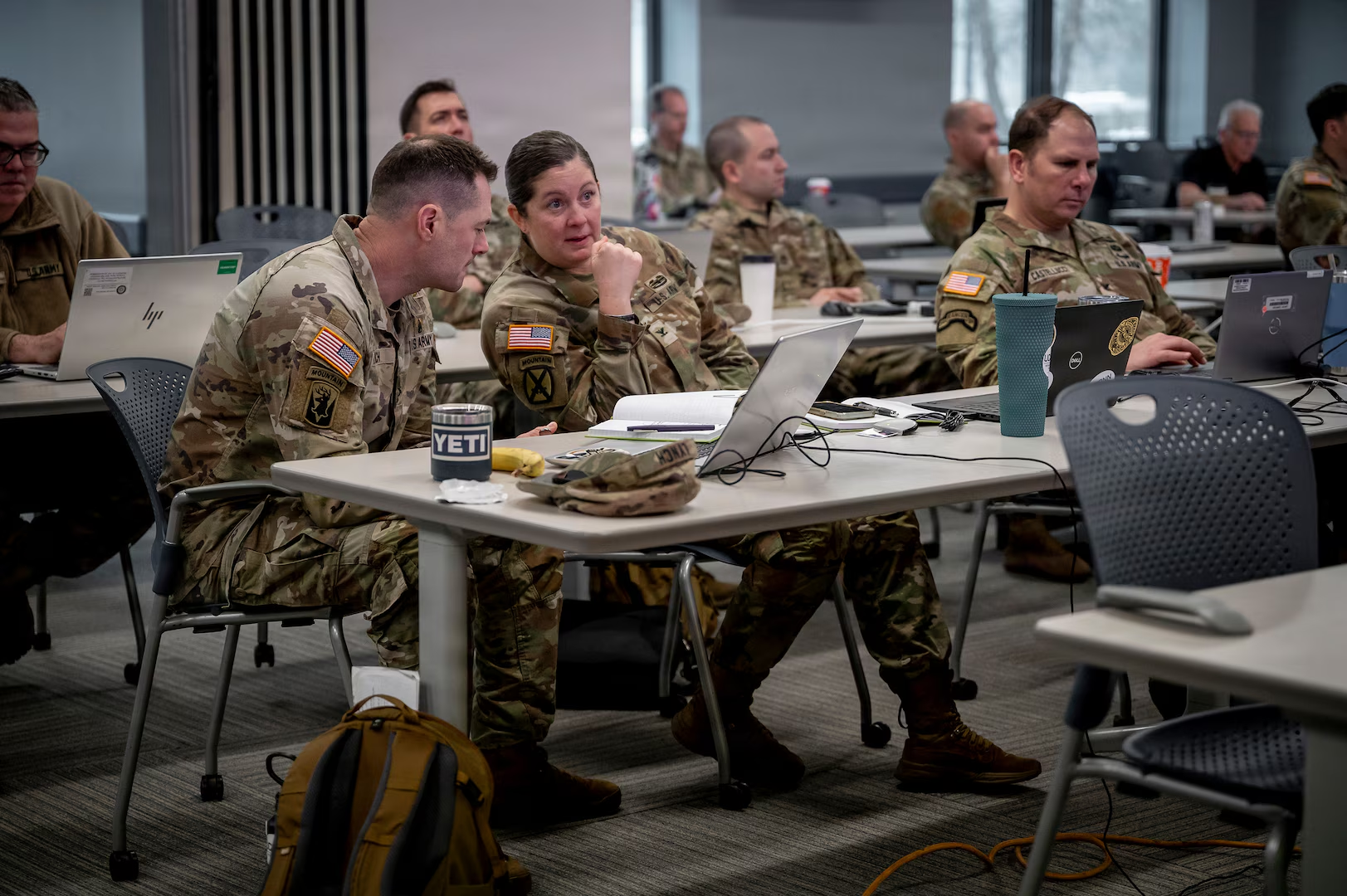
Connecticut National Guard training was completed this month as the state braces for a major winter storm. Members of the Joint Force Headquarters joint staff finished a five-day course designed to strengthen emergency response skills.
The Joint Task Force Staff Training Course, or JSTC, ran from January 7 to 11 at Camp Nett. The program allowed staff to build baseline skills for deploying troops and coordinating operations during natural disasters or other emergencies.
“The joint staff has a high level of turnover,” said Maj. Lee Lukas, domestic operations officer in the Connecticut National Guard’s joint operations center. “It’s like a revolving door with new staff rotating in every couple of years. The JSTC is an introductory course that helps lay the groundwork for a good team.”
Lukas emphasized that the training is critical because the staff’s unique mission is not typically taught in standard Army courses. When the governor calls on the National Guard for emergencies—such as wildfires, pandemics, or other crises—the Joint Staff provides essential logistical support and manpower.
During the course, instructors from Western Hemisphere Command taught students how to operate a joint staff effectively during emergencies. Lessons included coordination with civil authorities like the Department of Emergency Services and Public Protection (DESPP) and the Division of Emergency Management and Homeland Security.
The training culminated in a practical exercise simulating a winter storm response. Students used the Military Decision-Making Process to create a Common Operational Picture for the adjutant general. This tool allows leadership to advise the governor on how best to deploy the National Guard during an emergency.
“In the practical exercise, we used the Military Decision-Making Process to create a Common Operational Picture for a winter storm response,” Lukas said. “This helps the adjutant general better advise the governor on National Guard support.”
With New England facing a potentially severe winter storm this weekend, the timing of the training was especially critical. Lukas said he is working to make the JSTC a biannual requirement to ensure future joint staff members remain proficient and ready to respond.
The JSTC is more than an introductory course. It serves as a prerequisite for additional training programs that prepare staff for large-scale emergencies. These programs include the Joint Planner’s Course (JPC), which teaches strategic planning for events like hurricanes, and the Joint Reception Staging Onward and Integration course, which ensures forces are effectively received, prepared, and deployed.
The state can also request additional resources through the Emergency Management Assistance Compact (EMAC) when local capabilities are exceeded. This allows Connecticut to access personnel and equipment from other states during large-scale emergencies.
Connecticut National Guard training emphasizes proactive readiness. Staff are prepared for natural disasters, public health crises, and other emergencies that require rapid, coordinated action. By completing the JSTC and follow-up programs, the Guard ensures that the state has trained personnel ready to respond whenever needed.
“Our goal is to be prepared for anything,” Lukas said. “When the state needs help, the National Guard will always be there.”
As winter storms and other emergencies remain a constant risk, the Connecticut National Guard’s investment in training strengthens both its readiness and the safety of residents.