


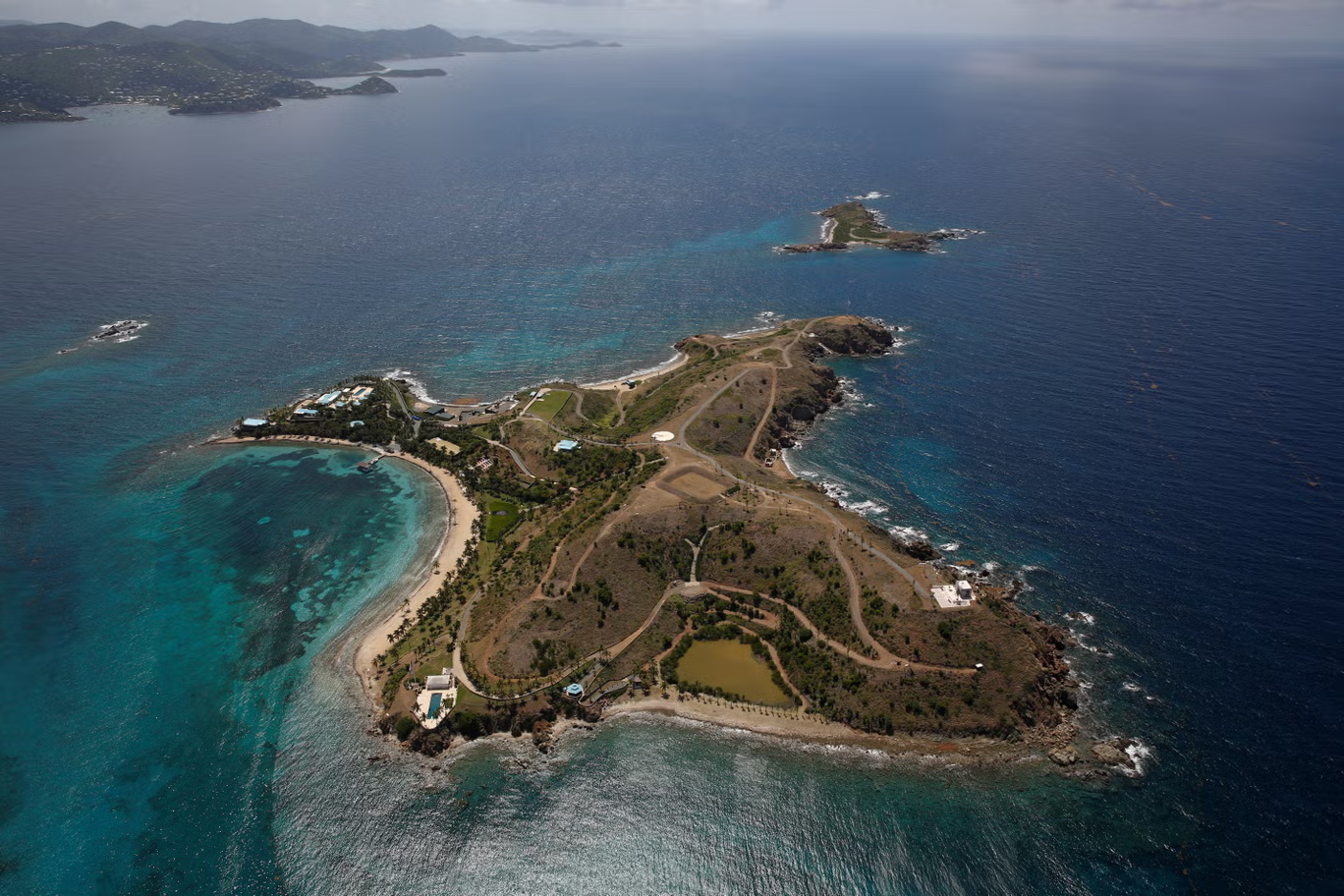
In the middle of the Caribbean Sea, Little Saint James appeared to be a symbol of luxury and isolation. But behind its beauty stood one of the most disturbing criminal stories in modern history.
According to Daljoog News analysis, years of unchecked power, influence, and institutional failure allowed a hidden hell to operate in plain sight for decades.
From the late 1990s through the 2010s, while global elites from politics, entertainment, and business gathered on the island, investigators allege that systematic abuse of minors was taking place beyond public view.
What Happened?
Little Saint James was purchased in 1998 by American financier Jeffrey Edward Epstein. The 72-acre private island featured luxury villas, swimming pools, expensive artwork, high-end furnishings, and facilities for private jets and helicopters.
According to prosecutors and investigators, this lavish retreat concealed an organized sex trafficking operation. Girls aged 12 to 17—some allegedly even younger—were brought to the island by private aircraft.
The victims were reportedly lured through promises and manipulation, followed by psychological control. Once taken to the island, leaving was not an option, according to testimony.
Epstein’s longtime associate Ghislaine Maxwell later described the island as resembling a cage. Court records detail prolonged confinement, mental abuse, and repeated exploitation. What began under the pretense of massages allegedly escalated into systematic abuse involving so-called “special guests.”
Investigations claim that between 2001 and 2019, hundreds of minors were victimized through this network.
Why This Matters
The Epstein scandal is not merely about one wealthy individual. It represents a broader failure of accountability where power and privilege shielded crimes for years.
Financial influence, political connections, and social status formed a protective barrier around Epstein, while victims remained unheard.
The case has raised lasting questions about how such extensive allegations went unaddressed for so long—and how justice systems respond when the accused are powerful.
For survivors, delayed justice compounds trauma. Each year of silence deepened the damage inflicted upon them.
What Analysts or Officials Are Saying
The U.S. Department of Justice has released multiple batches of Epstein-related records over time, including emails, travel logs, photographs, and videos. Officials have emphasized that appearing in documents does not automatically imply criminal wrongdoing.
While records reference visits by scientists, royalty, politicians, and Hollywood figures, many of those individuals have denied any involvement in illegal activity. Investigators have stressed the importance of evidence-based conclusions.
At least 40 women formally accused Epstein of sexual abuse. He was arrested in 2019 and later died in jail at the age of 66.
Authorities ruled his death a suicide, but failures in jail supervision and unanswered questions have kept doubts alive. His death complicated ongoing investigations and denied many victims the chance to confront him in court.
Daljoog News Analysis
Epstein Island has become a symbol of how unchecked power can corrupt systems meant to protect the vulnerable.
Laws alone are not enough. Without courage, enforcement, and independence, justice falters—especially when the accused wield influence.
This case also exposes the role of silence. For years, rumors and partial reports circulated, yet decisive action came too late. Only sustained investigative pressure brought the full scope of the crimes into public view.
The scandal stands as a warning. Without transparency and accountability, similar abuses can emerge again under different names and places.
What Happens Next
Although Epstein is dead, the legal process continues. Ghislaine Maxwell and others connected to the operation have faced prosecution, and further cases remain active.
Survivors continue to seek justice, compensation, and recognition. Their testimonies are shaping stronger laws on child protection and human trafficking in the United States.
Pressure remains on authorities to release additional records and reexamine institutional failures. New revelations may still emerge.
The story of Epstein Island is not over. It remains a test of justice, accountability, and moral responsibility.