
A growing wave of public anger spread into Wisconsin after a Minneapolis nurse with ties to Green Bay was shot and killed by a federal immigration officer. The fatal encounter led to protests in Milwaukee and renewed debate over federal enforcement actions, gun laws, and protest rights.
Family members identified the man as Alex Pretti, 37, a nurse who lived and worked in Minneapolis. He was taking part in a protest against the Trump administration’s immigration policies when the shooting occurred. Education records confirm that Pretti graduated from Preble High School in Green Bay. After high school, he attended the University of Minnesota and earned a bachelor’s degree in biology, society, and the environment in 2011.
The Department of Homeland Security said the shooting happened during an encounter with federal border patrol agents. Officials claimed Pretti approached agents while carrying a handgun and resisted efforts to disarm him. According to the agency, a federal agent fired in self-defense during the confrontation.
Local leaders and witnesses have challenged that account. Several videos shared online appear to show agents spraying Pretti with a chemical substance and forcing him to the ground before the fatal shot was fired. The footage has raised questions about whether the situation could have been de-escalated.
Minneapolis Police Chief Brian O’Hara said Pretti legally owned the firearm and had no criminal record. Minnesota law allows open carry of a handgun for people who have a valid permit. Authorities have not said whether Pretti pointed the weapon at agents before the shooting.
The incident marked the second fatal shooting of an American citizen by a federal agent in Minneapolis this month. Investigators are still reviewing the events that led up to Saturday’s death. Pretti was killed just over a mile from the location where another resident, Renee Good, was shot earlier in the month during a separate federal operation.
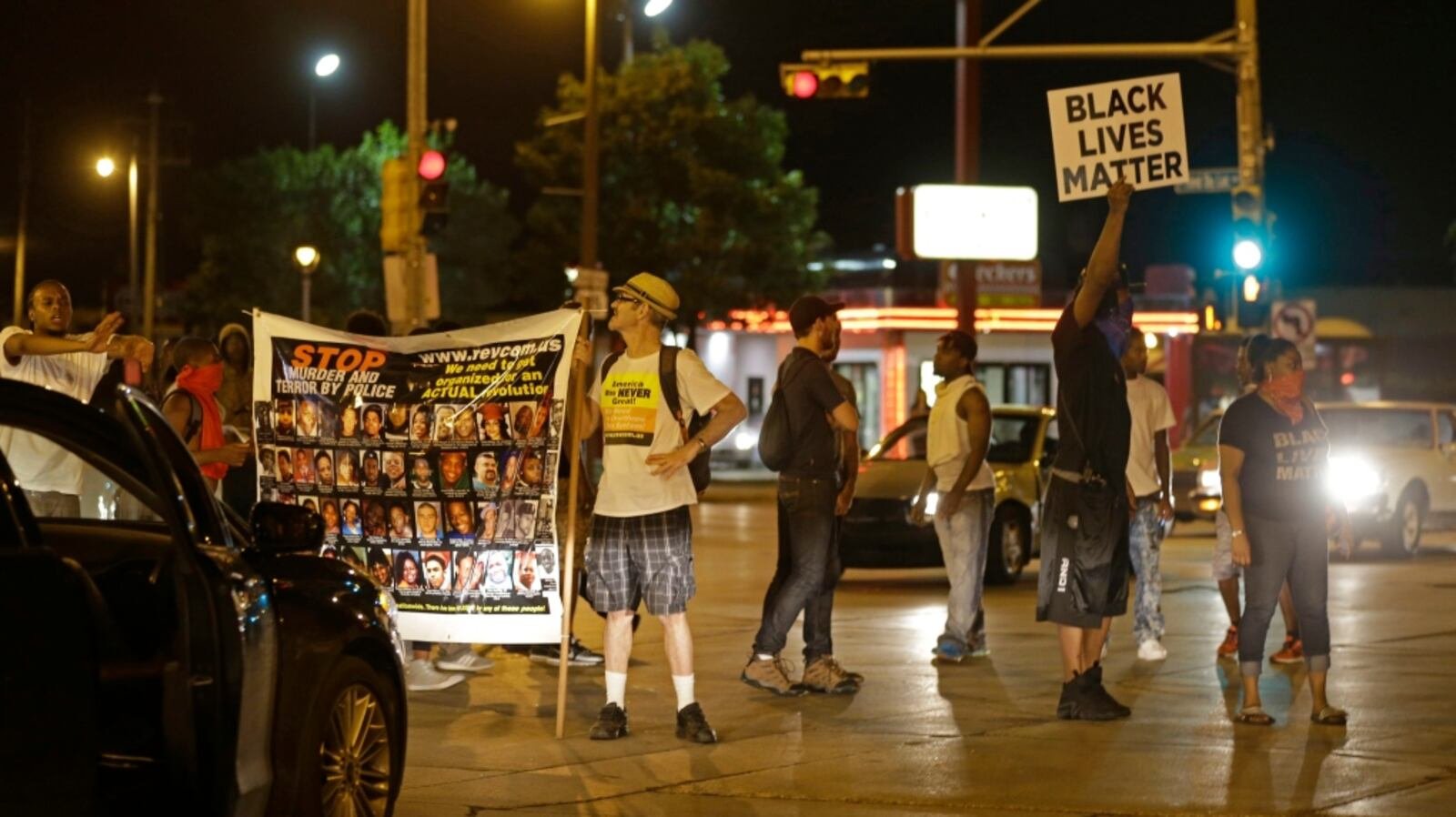
Public reaction in Wisconsin was swift. On January 24, around 100 protesters gathered at Red Arrow Park in downtown Milwaukee. The group later marched to a federal immigration facility nearby. Demonstrators carried signs and chanted messages calling for accountability and an end to aggressive federal tactics.
Another vigil took place later that evening in Milwaukee’s Riverwest neighborhood. Residents held candles and flashlights to show support for the Minneapolis community and for Pretti’s family. Organizers said the gatherings were peaceful and focused on solidarity.
President Donald Trump addressed the shooting on social media hours later. He said federal agents were operating in Minnesota due to large-scale financial crimes and the presence of people who entered the country illegally. He also criticized state and city leaders, claiming local police were not allowed to assist federal officers. Trump argued that immigration agents had to protect themselves in a dangerous situation and defended their actions.
Wisconsin officials responded with strong statements. Governor Tony Evers said Wisconsin stands with Minnesota during a time of grief and concern. Milwaukee Mayor Cavalier Johnson said the killing of a protester during a tense encounter represents a serious challenge to American values. He stressed that the right to protest is protected under the Constitution and called for federal agents to change their approach.
U.S. Senator Tammy Baldwin also reacted, saying the death was unnecessary and that federal immigration agents have made Minneapolis less safe. She urged the president to end the current enforcement actions and remove federal agents from the city.
As investigations continue, the Milwaukee Protest Federal Shooting has become a focal point in a wider national debate. Questions remain about the use of force, the role of federal agents in local communities, and how protests should be handled. For many in Wisconsin and Minnesota, the focus remains on accountability, transparency, and preventing similar deaths in the future.