


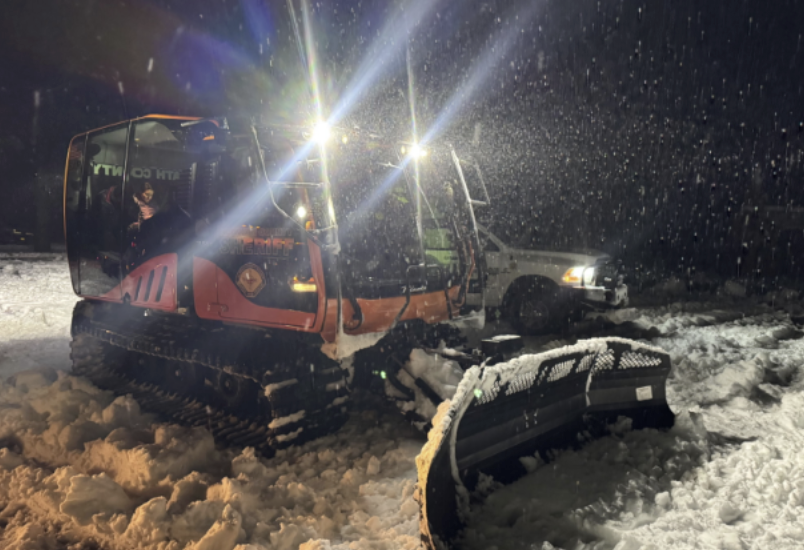
Oregon has rolled out a new fleet of specialized snowcats to strengthen its ability to respond to winter emergencies in some of the state’s most challenging terrain.
According to Daljoog News analysis, the move reflects growing concern over harsher winter weather and the need for faster, more reliable access to remote communities during storms.
The deployment comes as state and local officials prepare for increasingly unpredictable winter seasons linked to climate shifts and infrastructure strain.
What Happened?
The State of Oregon has deployed advanced snowcats under its State Preparedness and Incident Response Equipment program, known as SPIRE, to enhance winter emergency operations.
These vehicles are built to operate in deep snow, icy conditions, and remote environments where traditional emergency vehicles often fail. The snowcats are now available to support local jurisdictions across Oregon when conditions require their use.
State officials confirmed that counties such as Lincoln and Tillamook can request the snowcats during winter storms, search-and-rescue missions, medical emergencies, or disaster response situations.
Unlike standard snowplows or four-wheel-drive vehicles, snowcats are designed to traverse unmaintained roads, forest routes, and mountainous areas. This makes them especially valuable in rural regions and coastal or forested counties where access can be cut off for days.
The SPIRE program allows the state to position high-cost, specialized equipment where it can be shared among local agencies, reducing the financial burden on individual counties.
Why This Matters
Winter storms in Oregon have become more disruptive in recent years, shutting down highways, isolating communities, and delaying emergency medical care.
In past storms, heavy snow and ice have prevented ambulances and fire crews from reaching residents in need. Power outages and blocked roads have left some areas effectively stranded.
By deploying snowcats, Oregon is addressing a critical gap in its emergency response system. These vehicles can transport rescue teams, evacuate residents, and deliver supplies when roads are impassable.
The move also highlights a shift in emergency planning. Rather than relying solely on local resources, the state is building a shared response model that can scale quickly during extreme events.
For residents in remote or mountainous areas, the presence of snowcats could mean the difference between hours and days of waiting for help.
What Analysts or Officials Are Saying
State emergency management officials say the snowcats are intended to complement, not replace, existing local resources.
They emphasize that the vehicles will be deployed strategically, based on weather forecasts, terrain, and the severity of emergencies.
Local officials in coastal and rural counties have welcomed the addition. Some counties lack the budget to purchase or maintain snowcats, even though they face severe winter conditions.
Emergency response experts note that snowcats are particularly effective during prolonged storms, when repeated snowfall overwhelms plowing operations.
Public safety analysts also point out that shared equipment programs like SPIRE reduce duplication and improve coordination between state and county agencies.
While officials have not released detailed cost figures, they argue that centralized investment is more efficient than forcing each county to develop its own specialized fleet.
Daljoog News Analysis
Oregon’s snowcat deployment is a quiet but significant upgrade to its disaster preparedness strategy.
Instead of reacting after communities are cut off, the state is investing in tools that anticipate isolation as a recurring risk. This reflects lessons learned from recent winters, where emergency access proved fragile.
The decision also signals an acknowledgment that climate variability is no longer a future concern. Heavier snowfalls, sudden freezes, and rapid weather swings are already reshaping emergency planning.
Programs like SPIRE suggest a more cooperative model of governance. Rather than pushing responsibility downward, the state is stepping in with shared assets that smaller jurisdictions cannot afford alone.
There is also a political dimension. Emergency response failures often carry public consequences. Proactive investment reduces not only risk to residents but also institutional exposure.
The real test will come during the next major storm. If snowcats can shorten response times and prevent isolation, they may become a permanent pillar of Oregon’s winter strategy.
What Happens Next
The snowcats will remain on standby throughout the winter season, ready for deployment when local agencies request assistance.
State emergency managers will monitor how often the vehicles are used and how effectively they integrate with existing response efforts.
Data gathered from this winter could influence future funding decisions, including whether to expand the fleet or station snowcats permanently in high-risk regions.
Local governments are expected to coordinate training and response planning with state officials to ensure smooth deployment during emergencies.
As winter weather continues to challenge infrastructure and emergency systems nationwide, Oregon’s approach may serve as a model for other states facing similar conditions.