



The United States faces growing disruption as the government shutdown enters its 41st day. Millions of Americans are experiencing uncertainty and daily hardships amid political deadlock.
On Friday night, Senate Democrats proposed a new bill to end the shutdown. The legislation required 60 votes to pass, but Republican opposition stalled it once again. Heated discussions moved to the Senate floor as lawmakers debated solutions.
Federal employees continue to work without pay, raising concerns about the nation’s essential services. Critics suggest that redirecting funds, similar in size to financial aid given to Argentina, could help resolve the crisis. However, Republicans continued to block progress using filibuster tactics, prolonging the deadlock.
The shutdown has severely affected the country’s busiest airports. Over 13,000 federal workers have had their salaries frozen, resulting in the suspension of operations at 40 major airports. More than 1,000 flights were canceled in a single day, and at least 5,000 domestic and international flights were delayed. Cities like New York, Los Angeles, Chicago, and Washington are facing severe travel disruptions, affecting both local and international travelers.
Passengers report growing frustration as politics disrupts daily life. Families struggle to reach their destinations during the busy holiday season, and the situation threatens to worsen if the shutdown continues. Authorities warn that air travel nationwide could drop by up to 20 percent if federal operations remain halted.
The shutdown has also paused funding for essential programs such as the SNAP food assistance program, further affecting low-income Americans. Many citizens are voicing their anger as basic support is delayed amid ongoing political gridlock.
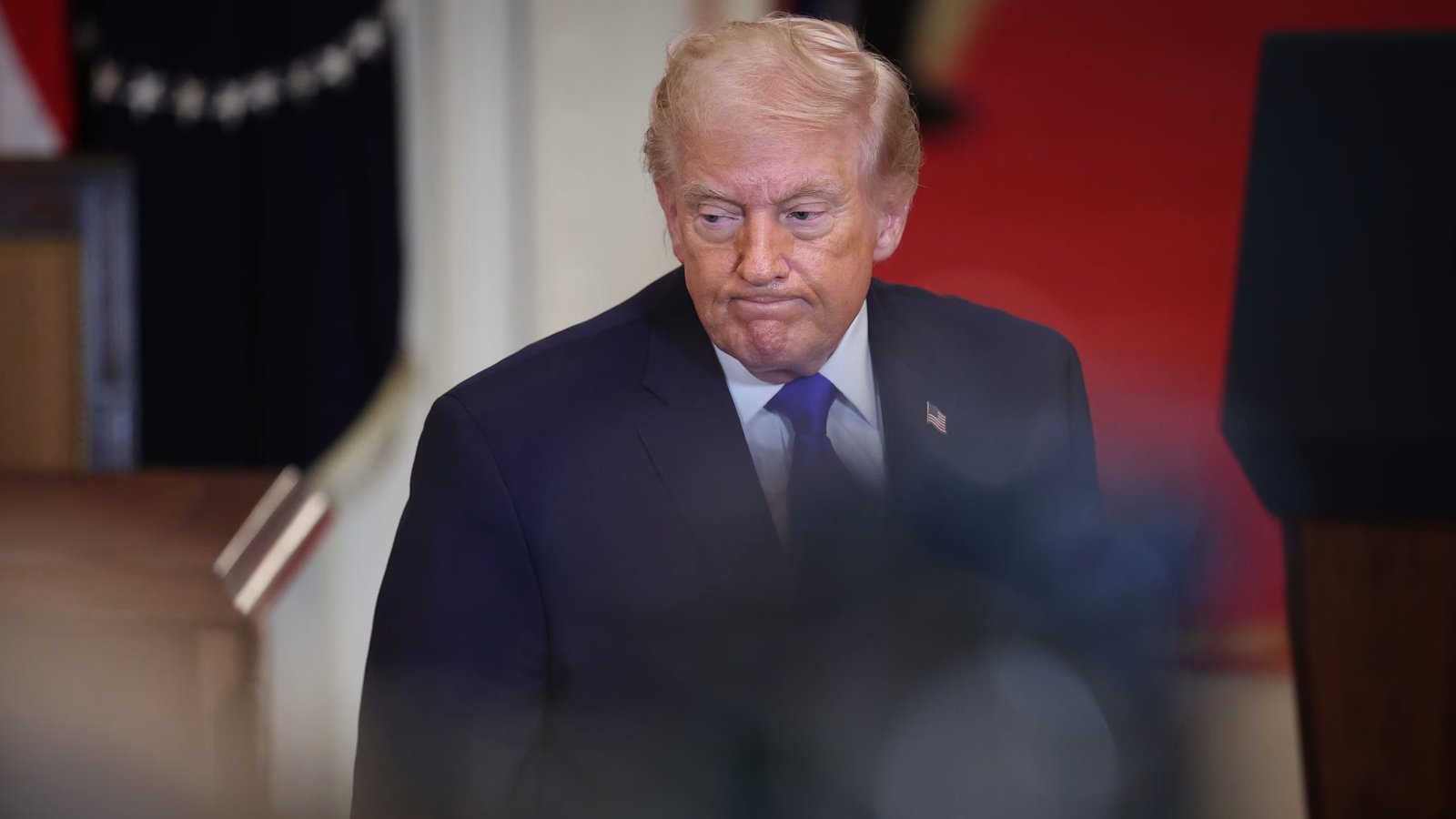
Meanwhile, President Donald Trump faced criticism for spending time in Florida for leisure rather than addressing the crisis in Washington. The contrast between political inaction and citizens’ daily struggles has heightened public frustration.
Analysts warn that the continued shutdown will have long-term impacts on the economy, travel, and public services. The inability of lawmakers to reach a compromise threatens to deepen the national crisis and prolong the suffering of federal employees and ordinary Americans.
U.S. government shutdown highlights the urgent need for bipartisan cooperation. Without decisive action, citizens will continue to face canceled flights, delayed paychecks, and reduced access to critical services across the country.