


As Uganda prepares for elections on Thursday, one key figure dominates the political landscape even though he is not on the ballot: President Yoweri Museveni’s son, four-star general Muhoozi Kainerugaba.
Long seen as the eventual successor, Kainerugaba stepped aside this year to allow his father to pursue a seventh term, which would extend Museveni’s nearly five decades in power. Despite not running, Kainerugaba remains a central figure in Ugandan politics as the country’s top military commander, a role he assumed nearly two years ago.
Kainerugaba’s appointment as army chief temporarily paused his political ambitions, critics say, keeping him in line while Museveni continues to govern. Yet many Ugandans now expect a form of hereditary rule, once denied by government officials who dismissed rumors of a “Muhoozi Project” to secure his succession. Kainerugaba has openly acknowledged his presidential aspirations, telling social media followers in 2023: “I will be President of Uganda after my father. Those fighting the truth will be very disappointed.”
The general’s influence has grown rapidly. Allies loyal to him hold key positions in the security services, and his endorsement carries weight with candidates seeking local offices. Kainerugaba’s rise has sparked controversy, with some questioning the concentration of military and political power in one family.
In February 2024, a month before Kainerugaba was named army chief, Museveni delegated certain commander-in-chief powers to his son. Kainerugaba can now promote high-ranking officers and create new army departments—powers previously reserved for the president. Political historian Mwambutsya Ndebesa of Makerere University says this makes Kainerugaba more powerful than any previous army chief and suggests that family succession seems inevitable.
A personality cult has formed around Kainerugaba. Supporters celebrate his birthday publicly, and some campaign materials feature the emblem of his Patriotic League of Uganda. Speaker of Parliament Anita Among even called him “God the Son” last year, reflecting his growing stature in a nation where the military remains the most influential institution and Museveni has no clear political successors.
Critics worry about the potential for authoritarianism. Some have urged Kainerugaba to seize power before his father steps down, framing it as a way to address longstanding grievances against Museveni’s government. Analysts also point to Kainerugaba’s past threats and controversial social media posts, including calls to punish opposition figures Bobi Wine and Kizza Besigye, raising fears about the use of military power to influence politics.
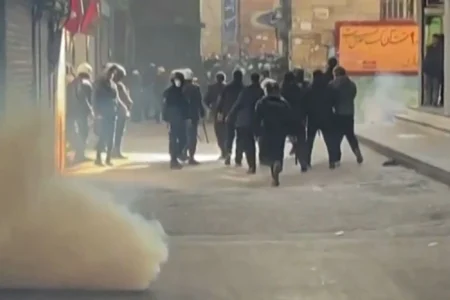
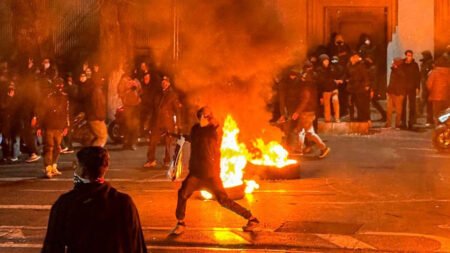
Wine has accused the army of taking over the election process and reported violence against his supporters, including beatings by soldiers. Amnesty International has described security forces’ actions as part of a “brutal campaign of repression,” citing incidents where military interventions at opposition rallies have led to deaths.
Supporters of Kainerugaba defend him as disciplined in private and critical of corruption within the government, arguing he could ensure a peaceful transition in a country that has not had one since independence in 1962. His rare dissenters include retired major general and Interior Minister Kahinda Otafiire, who has urged him to seek leadership on merit rather than family ties, warning that hereditary succession undermines democracy.
As Uganda holds elections, Kainerugaba’s presence casts a long shadow over the political scene. While Museveni officially seeks another term, the country watches closely, aware that the next leadership transition may hinge less on ballots and more on military influence and the consolidation of power within the ruling family.