


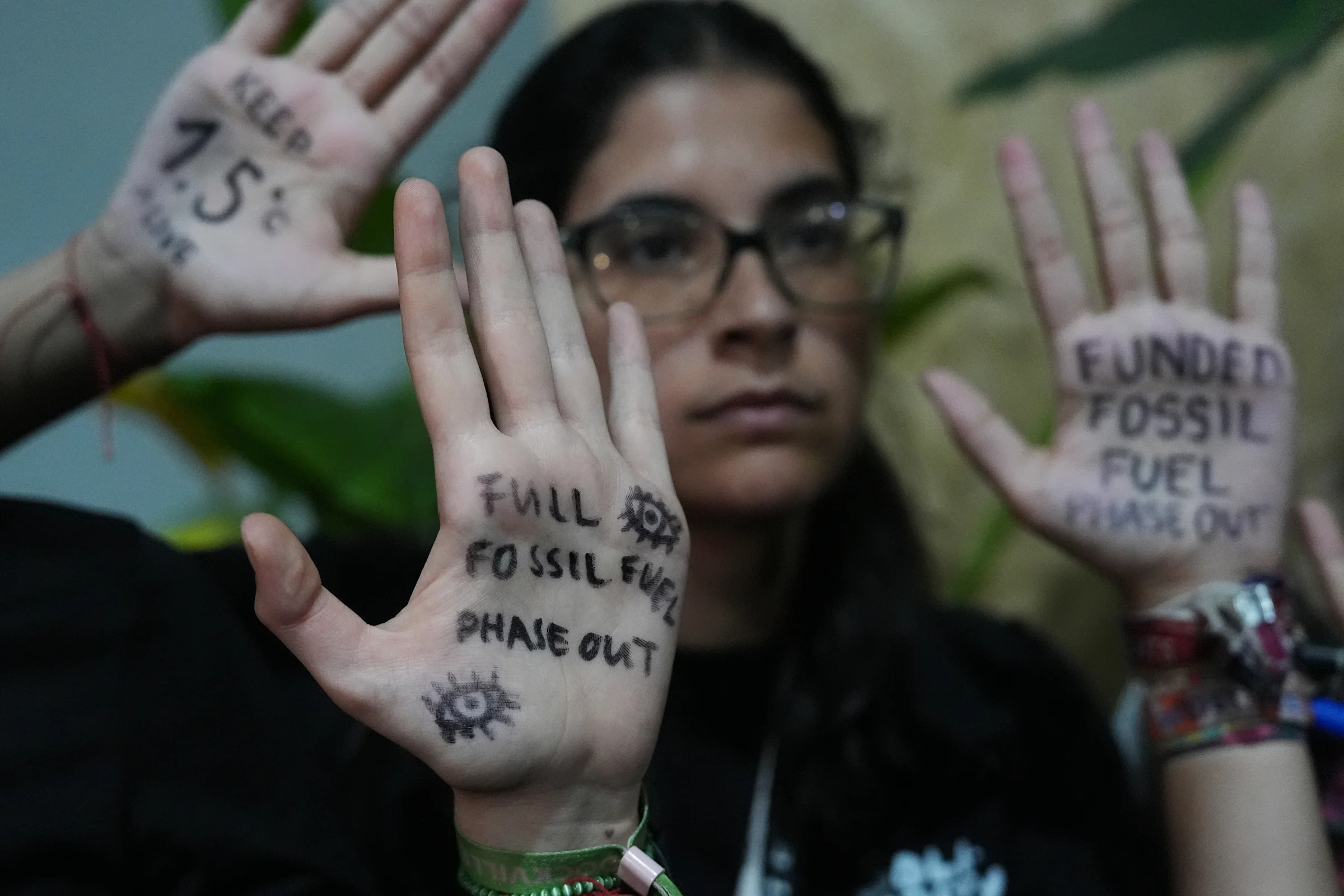
United Nations climate talks have extended past their scheduled deadline as countries struggle to reach consensus on a proposed agreement that omits any reference to phasing out fossil fuels.
Negotiators remained in closed-door sessions on Friday at the COP30 summit in Belem, Brazil, working to bridge differences and produce a plan that could deliver tangible action against the climate crisis.
A draft proposal released earlier in the day sparked concern from climate activists and experts because it makes no mention of fossil fuels, which remain the primary driver of global warming.
“This cannot be an agenda that divides us,” COP30 President Andre Correa do Lago told delegates during a public plenary session. “We must reach an agreement between us.”
The dispute over oil, gas, and coal underscores the challenge of achieving a global consensus at the annual UN conference, which assesses international commitment to mitigating the worst effects of climate change.
“Many countries, especially oil-producing nations or those reliant on fossil fuels, have stated that they do not want this mentioned in a final agreement,” reported Al Jazeera’s Monica Yanakiew from Rio de Janeiro.
At the same time, dozens of other nations have insisted they will not support any agreement that fails to outline a roadmap for phasing out fossil fuels. The clash over energy policy remains one of the conference’s most divisive issues.
Another central point of contention is financing the transition away from fossil fuels. Developing nations, which are often most vulnerable to climate-related disasters, are pressing richer countries to shoulder a larger share of the costs.
“There is a lot being discussed, and negotiators say that talks might continue throughout the weekend,” Yanakiew said.
The deadlock comes as the UN Environment Programme warned that the world is likely to exceed the 1.5-degree Celsius warming limit within the next decade. This threshold, set under the Paris Agreement, is considered critical to preventing the most severe impacts of climate change.
Amnesty International also cautioned that expanding fossil fuel projects could threaten at least two billion people—around a quarter of the global population.
In a statement on Friday, Nafkote Dabi, climate policy lead at Oxfam International, described it as “unacceptable” for a final agreement to omit a plan to phase out fossil fuels.
“A roadmap is essential, and it must be just, equitable, and backed by real support for the Global South,” Dabi said. “Developed countries who grew wealthy on their fossil fuel-based economies must phase out first and fastest, while financing low-carbon pathways for the Global South.”
Negotiators have faced months of tension between fossil fuel-dependent countries and those calling for aggressive climate action. Oil-producing nations have resisted commitments that could reduce demand for fossil fuels, while smaller and developing countries argue that urgent cuts are essential to protect vulnerable populations.
The COP30 summit is now testing whether countries can overcome entrenched positions and deliver a meaningful agreement. With discussions continuing into the weekend, diplomats are under pressure to produce a compromise that addresses both emissions reductions and financial support for developing nations.
Failure to reach consensus could undermine international efforts to prevent dangerous climate change and further strain relations between the Global North and South.
As talks enter overtime, the world watches closely to see whether leaders can set aside differences and commit to concrete steps that reduce reliance on fossil fuels and ensure equitable climate action for all nations.