


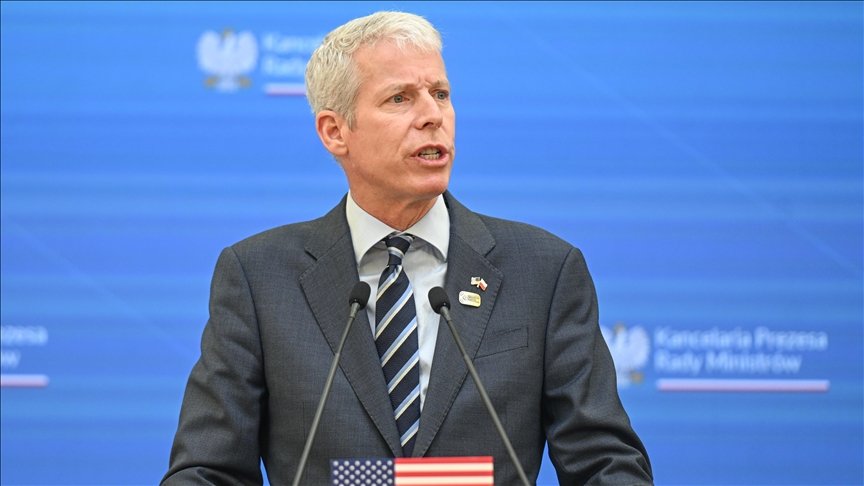
The United States plans to take long-term control of Venezuelan oil sales and market the country’s crude indefinitely, U.S. Energy Secretary Chris Wright said on Wednesday. The move is part of Washington’s broader effort to influence political and economic change in Venezuela while also easing pressure on global oil supplies.
Speaking at an energy industry conference in Miami, Wright said the United States will begin by selling oil that is currently stored and backed up in Venezuela. After that, Washington will continue to sell oil produced in the country on an ongoing basis. He stressed that these sales will be handled directly by the U.S. government.
Under the plan, all proceeds from oil sales will be placed into accounts controlled by the United States. Wright said the money will then flow back into Venezuela in ways designed to benefit the Venezuelan people. According to him, this approach allows oil to reach global markets while ensuring that revenues are managed under strict oversight.
Wright said the current situation has left Venezuelan oil effectively blocked from reaching many buyers. He argued that allowing oil to flow again would improve supply for refineries in the United States and other countries. At the same time, U.S. control over the sales would prevent misuse of funds and support broader policy goals.
The energy secretary explained that Washington sees oil as a key tool in shaping future developments in Venezuela. By managing sales and revenue, the United States believes it can encourage changes it wants to see while reducing economic pressure on ordinary citizens.
Wright also outlined steps the United States may take as relations with Venezuelan authorities progress. He said Washington would consider allowing the import of parts, equipment, and services needed to keep the oil industry running. Many facilities in Venezuela face the risk of collapse due to years of underinvestment and lack of access to supplies.
Stabilizing production is an early goal. Wright said that once basic operations are secured, oil output could begin to grow again. He noted that Venezuela’s oil is heavy and often needs special materials to be processed, especially for use in U.S. refineries. Allowing access to these materials could help restore steady production.
In the short to medium term, Wright said Venezuela could add several hundred thousand barrels per day to its oil output. However, he made clear that a return to past production levels would be far more difficult. Venezuela once produced millions of barrels per day, but reaching those levels again would require large investments and many years of work.
According to Wright, restoring the oil sector fully would likely need tens of billions of dollars. Aging infrastructure, damaged facilities, and a lack of skilled labor remain major challenges. These problems cannot be solved quickly, even with outside support.
The long-term plan includes opening the door for large U.S. companies to invest in Venezuela’s oil industry. Wright said Washington aims to create conditions that would allow firms already familiar with the country, or those interested in entering the market, to operate there again. Such investments could help rebuild capacity and bring modern technology back into the sector.
The announcement follows recent statements by U.S. President Donald Trump about Venezuelan oil deliveries to the United States. Trump said that between 30 million and 50 million barrels of oil would be transferred and sold at market prices. He added that the proceeds would be controlled by the U.S. government to ensure they are used in ways that benefit both Venezuela and the United States.
Together, these statements signal a major shift in how Washington plans to handle Venezuelan oil. Instead of restricting exports through sanctions alone, the United States is choosing to manage sales directly. Supporters say this could help stabilize markets and provide relief to Venezuelans. Critics, however, are likely to question the long-term impact and legal basis of such control.
As the policy moves ahead, its effects on Venezuela’s economy, global oil markets, and regional politics will be closely watched. For now, U.S. officials say the goal is clear: keep oil flowing, manage revenues tightly, and use energy policy as a tool for broader change.