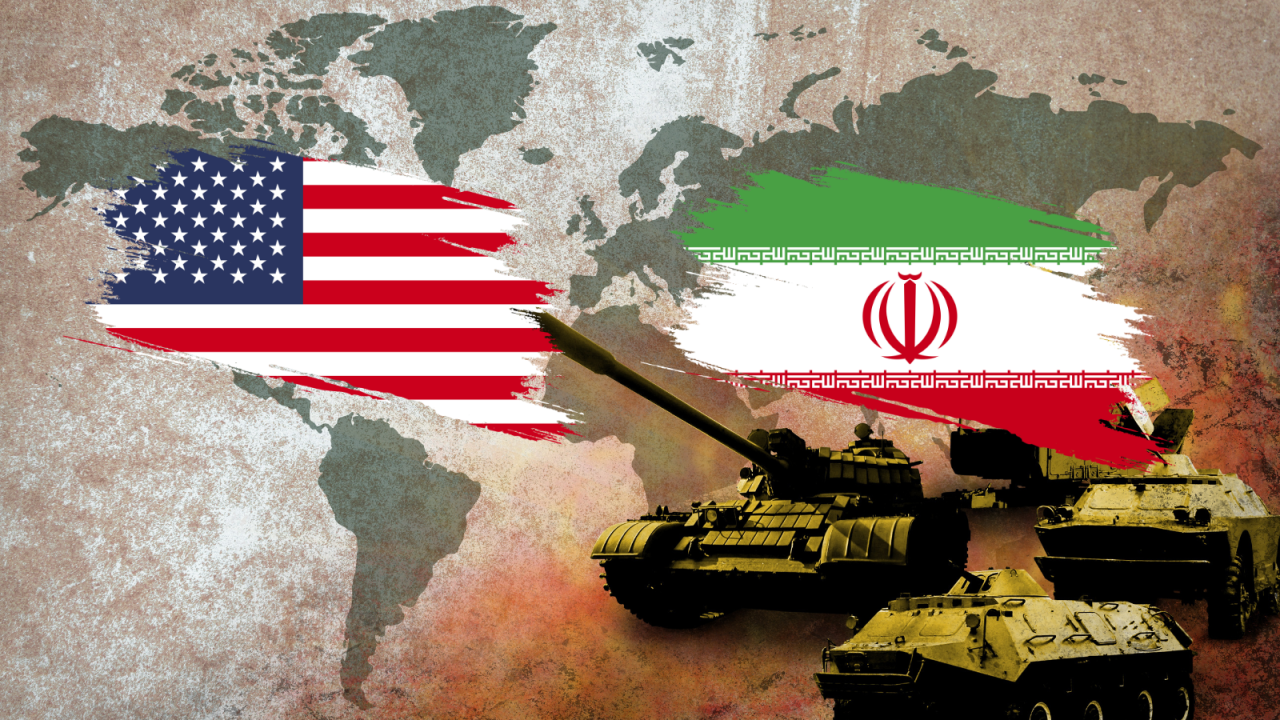


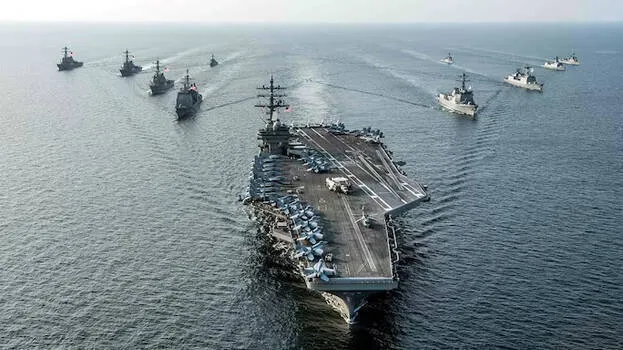
The US Navy’s aircraft carrier, USS Abraham Lincoln, has entered waters in the Middle East under the control of the US’s Central Command, amid growing tensions with Iran. A senior US official said the move responds to escalating threats from Tehran.
US media outlet Fox News reported that Iran’s Supreme Leader Ayatollah Ali Khamenei has reportedly gone into hiding for security reasons, though Iranian authorities have denied the claim. The US sees this development as a potential indicator of Iran’s military preparedness.
A senior drone expert told Fox News that Iran’s drone capabilities could pose a serious threat to the USS Abraham Lincoln and its strike group. However, US officials stressed that the carrier is not fully prepared for any immediate attacks from Iran.
Cameron Chel, CEO of drone defense company Dragonfly, said Iran is using low-cost drones and inexpensive warheads to create a significant threat against modern military systems. Chel explained that Iran could launch a large number of drones simultaneously toward naval targets in a saturation attack, which could overwhelm conventional defense measures.
Chel further warned that even if hundreds of drones are deployed over a short period, some are likely to hit their intended targets. Modern defense systems are not fully equipped to handle such coordinated attacks, which could make US warships in the region primary targets.
In response to rising instability within Iran, the US has increased its military presence across air, land, and sea. The deployment includes F-series fighter squadrons and heavy-lift C-17 aircraft carrying essential equipment to the region.
Chel added that the United States and allied forces are rapidly developing new defense technologies. However, there remains uncertainty about how effective the USS Abraham Lincoln will be against a coordinated attack by multiple Iranian drones.
The deployment of the USS Abraham Lincoln signals a clear message of deterrence while monitoring Iran’s military activity. US officials continue to evaluate potential threats to regional security and prepare for rapid response if tensions escalate further.