
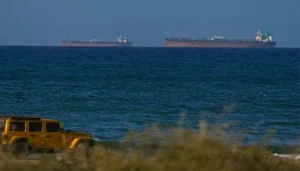

Venezuela has passed a strict new law to protect its maritime trade following rising tensions with the United States. The legislation comes after a series of U.S. actions that targeted Venezuelan oil tankers near the country’s coast, raising fears of escalating conflict.
The new law, approved by Venezuela’s National Assembly on Tuesday, imposes severe penalties on anyone involved in blockades, piracy, or financing maritime attacks. Offenders could face up to 20 years in prison. Venezuelan President Nicolás Maduro said the legislation would safeguard the country’s commerce and send a strong message against attacks on shipping, piracy, and crimes against international trade.
“Vessels must be able to navigate freely, and trade must remain secure,” Maduro said, adding that the law ensures safe maritime operations and protects Venezuela’s economic interests.
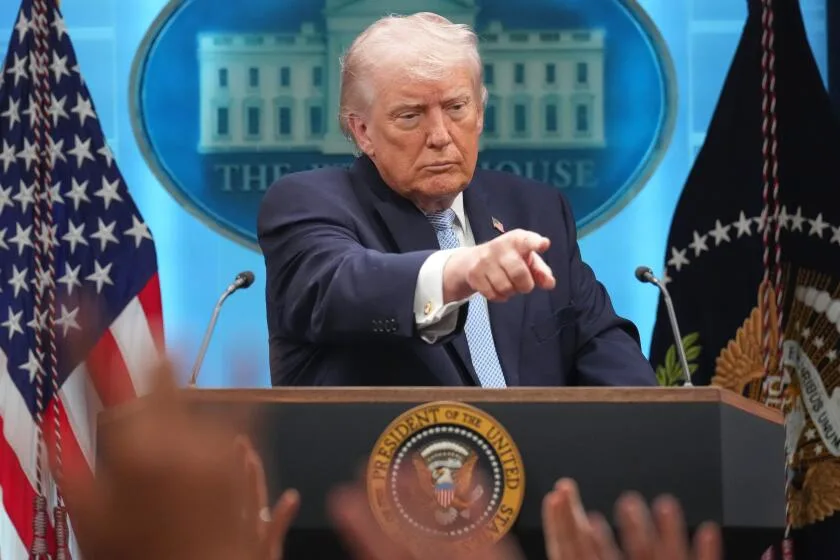
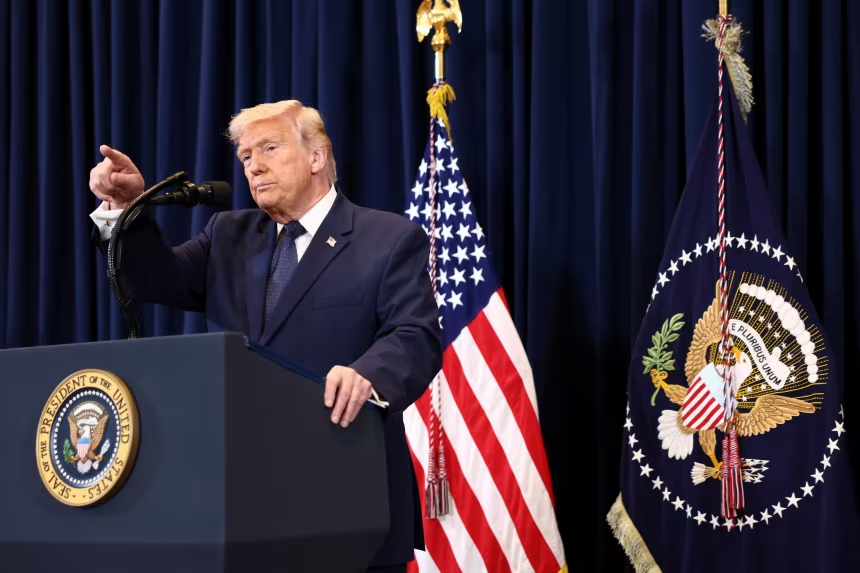
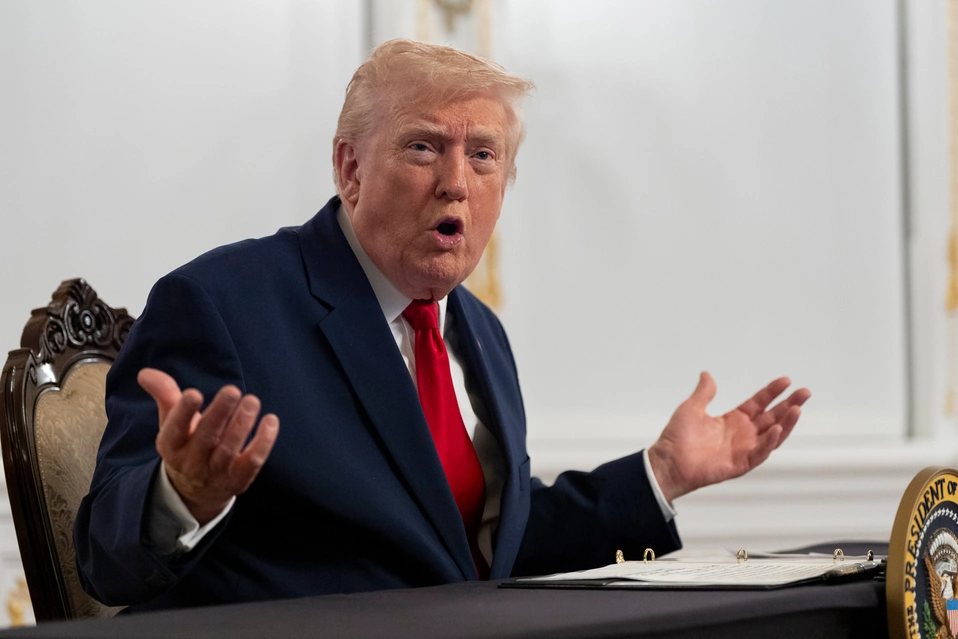
The tensions with Washington have intensified after U.S. President Donald Trump suggested that seized oil tankers could be sold or used for U.S. reserves. On questions about removing Maduro from power, Trump avoided direct comments, stating that much would depend on Maduro’s own decisions. “He would be better off stepping aside,” Trump said, “and we have the largest armada ready to act if needed.”
Despite efforts by the United Nations Security Council to ease tensions, diplomatic talks have made little progress. U.S. representatives said that sanctions would continue to pressure the Maduro government, while Venezuelan officials described U.S. naval deployments as a direct threat to the Caribbean region.
Both Russia and China have warned that a large-scale U.S. military presence could further destabilize the region. Caracas has emphasized that it will defend its territorial waters and enforce the new law to prevent any foreign interference or aggression.
The new legislation is seen as Venezuela’s response to what it considers acts of “maritime piracy” by the United States. It signals that Caracas intends to protect its oil exports and assert control over national waters amid growing international scrutiny.
Experts note that the law could escalate the risk of confrontation at sea. By criminalizing interference with Venezuelan shipping, the government has effectively set strict legal boundaries for foreign powers operating near its coastline.
Venezuela’s anti-piracy law also reflects broader geopolitical tensions in the Caribbean. The country seeks to secure trade routes, maintain national sovereignty, and demonstrate that any aggressive moves by foreign powers will have serious consequences.
The U.S. has deployed additional military assets in the region, and both sides appear prepared for continued standoffs. Analysts warn that unless diplomatic channels reopen, the new law could intensify maritime confrontations and further complicate international efforts to resolve the crisis.
Venezuela’s government maintains that the law is necessary for national security and economic stability. It underscores Maduro’s commitment to defending the country’s interests against what he calls U.S. aggression, while also sending a warning to any actors considering interference in Venezuelan waters.
As tensions continue, the international community watches closely. The situation highlights the fragile balance in the Caribbean, where political disputes, economic interests, and military power intersect. Venezuela’s new anti-piracy law is a clear statement that the government intends to enforce control and respond firmly to perceived threats.