



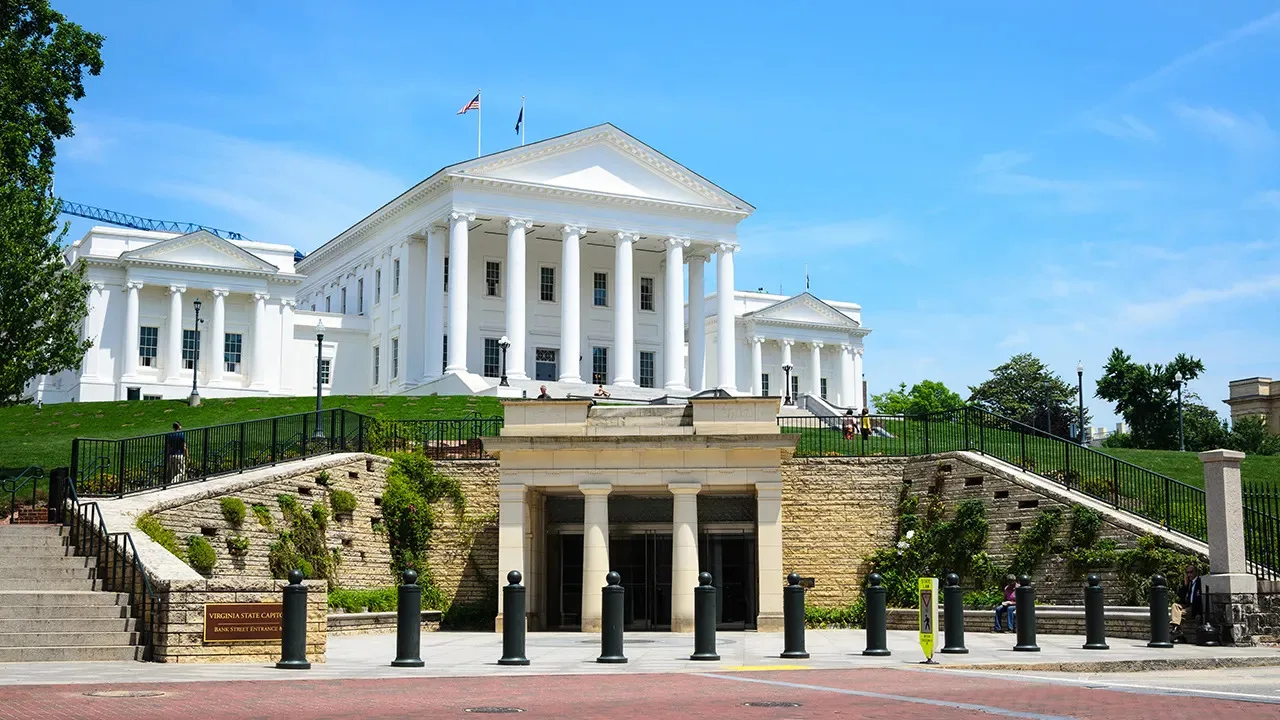
A Virginia circuit court judge has struck down a General Assembly-approved redistricting amendment, ruling lawmakers overstepped their authority and violated constitutional requirements for elections and voter notice.
The ruling, issued Tuesday by Tazewell County Circuit Court Judge Jack S. Hurley Jr., blocks the proposed constitutional amendment from moving forward and bars it from being submitted to voters. The decision comes after a lawsuit questioned whether the General Assembly could introduce a redistricting amendment during a 2024 special session called primarily for budget matters.
“Certainly, both houses of the Commonwealth’s legislature are required to follow their own rules and resolutions,” Hurley wrote in the ruling. The judge found lawmakers improperly added redistricting to the session’s agenda without the necessary unanimous consent or supermajority vote, exceeding the limits set when the special session was convened.
Hurley declared that the joint resolution proposing changes to congressional and legislative districts fell outside the authority granted to lawmakers during the special session. “The Court FINDS that adding… [a] joint resolution proposing an amendment to the Constitution of Virginia related to the reapportionment or redistricting violated… the General Assembly’s own call to the Governor for the 2024 Special Session, and the Court ORDERS that any such action is void, ab initio,” he wrote.
The court also addressed the timing of constitutional amendments under Virginia law, rejecting arguments that an election occurs solely on Election Day rather than during early voting. Hurley highlighted that more than 1 million Virginians had already cast ballots in the 2025 House of Delegates elections before the amendment vote. “For this Court to find the election was only on November 4, 2025, those one million Virginia voters would be completely disenfranchised,” he said.
Additionally, the ruling found that lawmakers failed to comply with state law requiring proposed constitutional amendments to be publicly posted and published before the next election. As a result, votes cast during the 2026 regular session cannot count as the constitutionally required second approval. “Therefore, the Court FINDS that the provisions of… the Code of Virginia have not been complied with, and therefore all votes on the proposed Constitutional Amendment… are ineffective as being a ‘SECOND’ VOTE OF THE General Assembly,” Hurley wrote.
The judge issued both temporary and permanent injunctions, preventing any further action on the amendment. The decision represents a significant setback for lawmakers seeking to alter Virginia’s redistricting process, emphasizing the limits on legislative power during special sessions and the importance of following constitutional procedures.
The ruling also underscores broader concerns about voter rights and procedural transparency. By invalidating the amendment, the court reinforced that legislative actions must adhere strictly to session rules and public notice requirements to ensure fair and legal processes in shaping the state’s electoral districts.
This case comes amid nationwide debates over redistricting, gerrymandering, and the balance of power between state legislatures and the public in determining electoral boundaries ahead of the 2026 midterm elections.