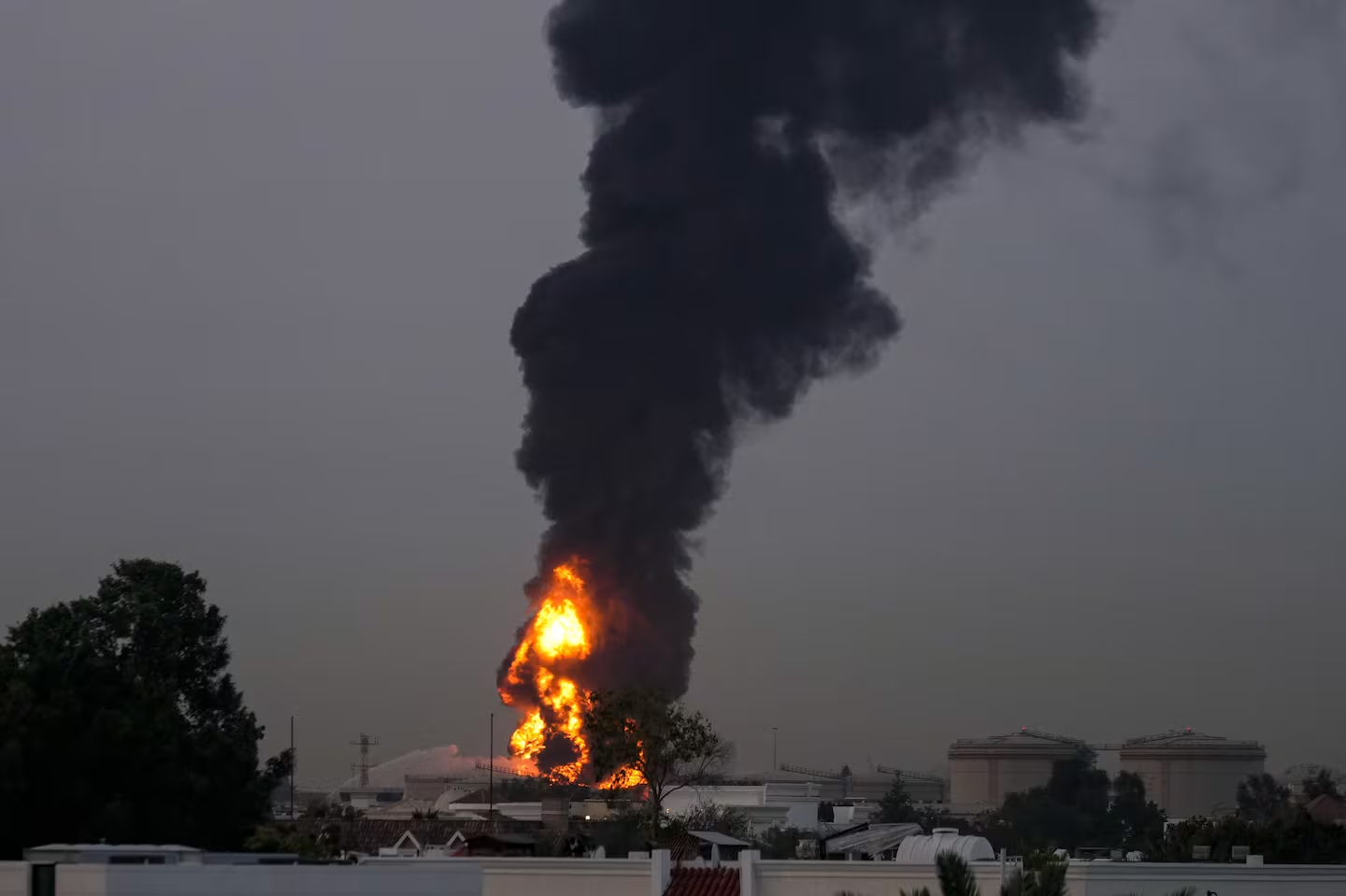



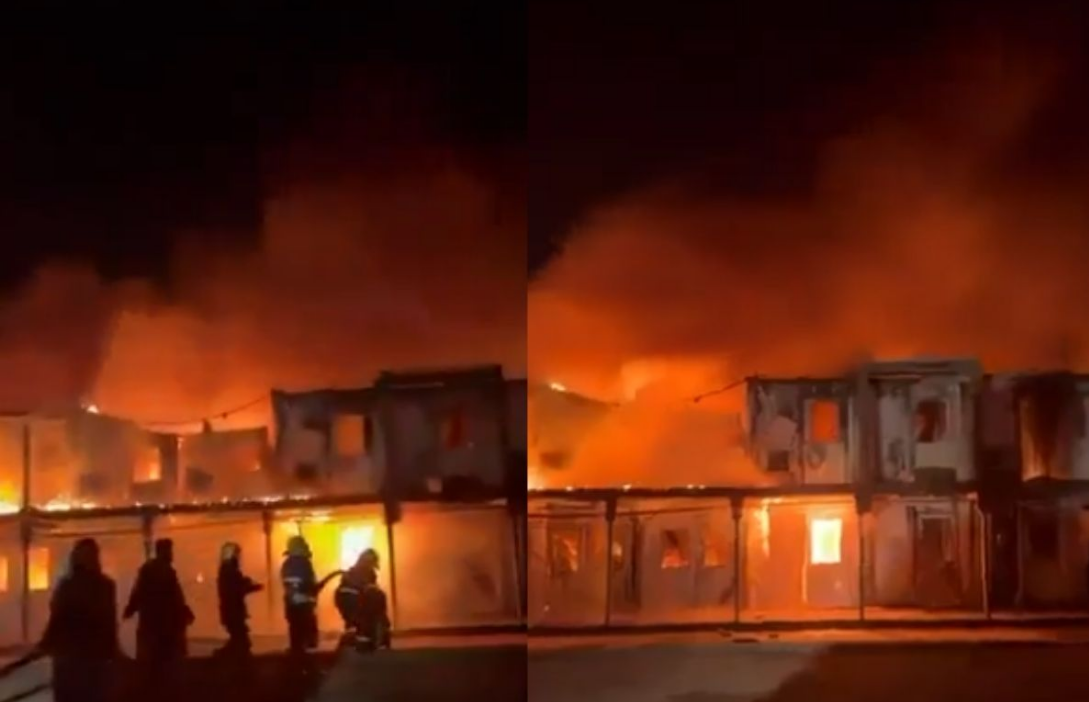
An airstrike on Kabul’s Omar Addiction Treatment Hospital has raised serious allegations against Pakistan’s military, with Taliban authorities claiming hundreds of casualties. The hospital, with nearly 2,000 beds, serves as a rehabilitation and treatment center for individuals struggling with drug addiction.
According to Daljoog News analysis, the strike reflects deepening tensions along the Afghan-Pakistan border, where both nations accuse each other of harboring insurgent groups. The attack, if confirmed, risks escalating a conflict already fraught with mistrust and cross-border violence.
The incident comes amid ongoing diplomatic efforts mediated by China, highlighting the fragile balance between military operations, humanitarian concerns, and regional diplomacy in South Asia.
What Happened?
Afghan officials report that Pakistan conducted airstrikes in Kabul and neighboring provinces, targeting civilian areas in Ghorband district of Khos province and other villages. The Taliban government claims women and children were among those killed, with additional shelling reported in the Dubai district of Afghanistan.
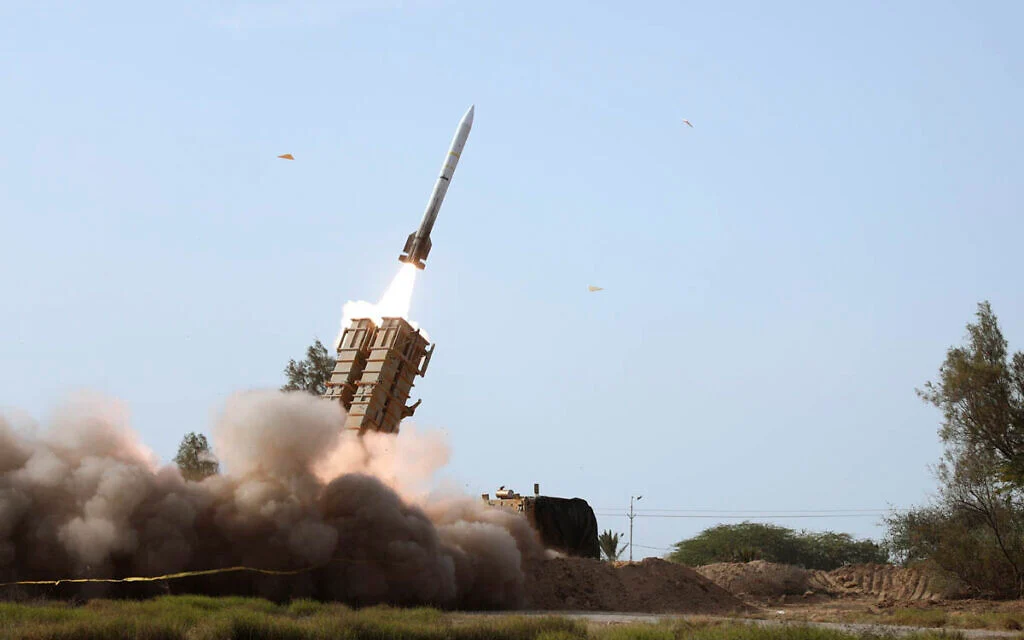
Pakistan has categorically denied targeting any hospitals or civilian sites. The country’s Ministry of Information stated that air operations were directed exclusively at military installations and terrorist infrastructure allegedly used by armed groups carrying out attacks against Pakistan. Authorities maintain that the strikes were precise and aimed at insurgent positions, not populated civilian centers.
Why This Matters
If verified, the attack could inflame public sentiment in Afghanistan and strain diplomatic ties with Pakistan. Civilian casualties in conflict zones risk undermining peace efforts and complicating the ongoing struggle against extremist groups. The event underscores how military actions in border regions can have unintended humanitarian and geopolitical consequences.
The hospital strike also raises questions about regional stability, cross-border insurgency, and the protection of civilian infrastructure in ongoing conflicts. With the international community closely monitoring the region, such incidents can affect aid flows, diplomatic negotiations, and global perceptions of both Afghan and Pakistani governments.
What Analysts or Officials Are Saying
Security analysts emphasize the difficulty of verifying casualty reports in conflict zones, particularly when both sides present conflicting narratives. Pakistani officials assert that the targets were operational bases of insurgent groups, while Afghan authorities highlight the high civilian toll.
Chinese special envoy Yu Shia Wang has initiated talks between the two nations, urging restraint, border de-escalation, and the implementation of a ceasefire. Pakistan has accused Afghanistan of harboring Taliban factions responsible for attacks inside Pakistan, claims the Afghan Taliban government denies. Analysts note that diplomatic channels, while active, remain fragile due to long-standing distrust and unresolved border security issues.
Daljoog News Analysis
The alleged hospital strike illustrates the complex interplay between military strategy and humanitarian risk. Daljoog News analysis suggests that even precision operations can carry high collateral costs, especially in densely populated or civilian-used areas.
The incident highlights the limits of unilateral military action in a region where geography, insurgent networks, and political sensitivities intersect. Humanitarian consequences, coupled with mistrust between Kabul and Islamabad, could further complicate long-term conflict resolution efforts and make border stability a persistent challenge.
What Happens Next
Diplomatic engagement under Chinese mediation will be crucial in preventing further escalation. Observers will monitor whether both sides adhere to ceasefire appeals and whether independent investigations verify civilian casualties.
Meanwhile, ongoing tensions along the border may continue to affect security operations, civilian mobility, and humanitarian assistance. For Afghanistan and Pakistan, balancing military objectives with civilian protection and diplomatic negotiation will remain essential to avoid a broader regional crisis.