

Gaza’s Al-Aqsa Hospital is on the brink of a medical shutdown after its main power generators failed, placing critically ill patients at immediate risk. Doctors say intensive care units could go dark within hours if fuel and spare parts do not arrive.
According to Daljoog News analysis, the crisis at Al-Aqsa Hospital reflects the near-total breakdown of Gaza’s health infrastructure after more than two years of sustained war and blockade conditions. Hospitals now rely almost entirely on fragile backup systems.
The emergency comes despite a ceasefire framework announced in October. Medical officials report that ongoing violence and severe restrictions on supplies have prevented meaningful recovery of the territory’s shattered health sector.
What Happened?
Al-Aqsa Hospital, located in central Gaza, has lost functionality in its two primary electricity generators. Hospital staff confirmed that mechanical failures combined with a shortage of fuel and replacement components have left the facility dependent on two small backup units.
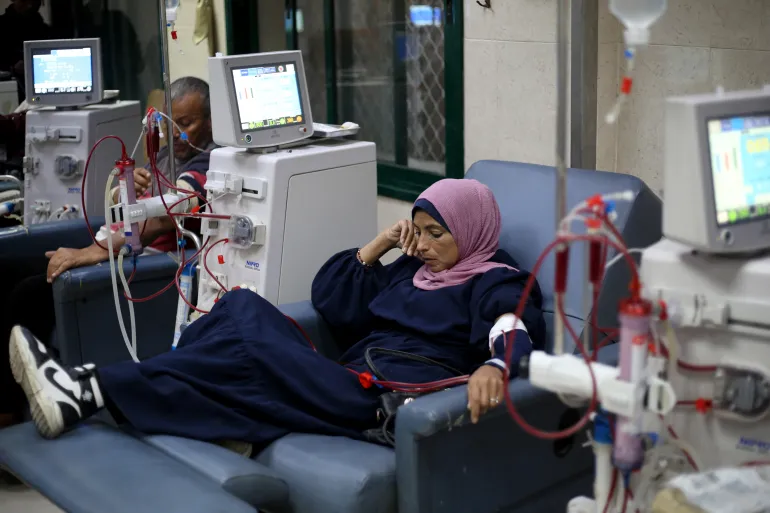
Those secondary generators, doctors say, cannot reliably support critical services such as ventilators, neonatal incubators, dialysis machines, and operating theaters. Power interruptions have already forced staff to prioritize certain wards while reducing services elsewhere.
Gaza’s Health Ministry reports that more than 1,700 healthcare workers have been killed since October 2023. The ministry also states that most hospitals across the enclave have been damaged or rendered non-operational.
The United Nations has previously accused Israel of targeting medical facilities during the conflict. Israeli officials have argued that military operations target armed groups operating within civilian areas.
Health authorities say that nearly 600 Palestinians have been killed since the October 10 ceasefire announcement, raising concerns about the durability of the truce.
In total, Gaza’s Health Ministry estimates that over 72,000 Palestinians have died and more than 171,000 have been injured since the war began in October 2023.
Why This Matters
Hospitals in conflict zones often rely on generators as their only consistent power source. In Gaza, grid electricity has been largely unavailable for months.
When generator systems fail, intensive care units are the first to face catastrophic consequences. Patients connected to life-support machines cannot survive prolonged outages. Neonatal wards are particularly vulnerable because incubators require uninterrupted electricity.
The collapse of Al-Aqsa Hospital would leave central Gaza without one of its primary emergency treatment hubs. That would force patients to travel to already overwhelmed facilities, many of which are operating at limited capacity.
Beyond immediate medical risks, the situation underscores a broader humanitarian crisis. Shortages of medicine, anesthesia, surgical tools, and trained personnel have already pushed the healthcare system to what officials describe as a breaking point.
What Analysts or Officials Are Saying
Medical administrators at Al-Aqsa warn that without urgent intervention, they may have to ration electricity further, prioritizing only the most critical cases. Some wards could shut down entirely if backup generators fail.
Officials from Gaza’s Health Ministry describe the situation as a sustained health emergency rather than a temporary shortage. They cite continued supply restrictions and damage to infrastructure as primary drivers of the crisis.
International humanitarian agencies have echoed concerns about fuel access and equipment shortages. Aid organizations argue that medical neutrality must be preserved in wartime and that an uninterrupted power supply is essential to uphold that principle.
Israeli authorities maintain that security considerations shape the movement of goods into Gaza, and that humanitarian corridors exist for approved deliveries. However, aid agencies report delays and insufficient volumes reaching hospitals.
Daljoog News Analysis
The power failure at Al-Aqsa Hospital is not an isolated malfunction. It represents the cumulative erosion of Gaza’s civilian infrastructure after prolonged conflict.
Modern hospitals cannot function without stable electricity. In Gaza’s case, generators are not backup systems—they are the backbone of survival. When even those fail, the healthcare system shifts from strained to unsustainable.
Ceasefires typically create space for humanitarian repair. Yet the current arrangement appears insufficient to restore core services. Without reliable fuel imports and technical support, hospitals remain exposed to collapse at any moment.
The broader concern is normalization of emergency conditions. When hospitals operate on emergency power for months, crisis becomes routine. That shifts risk from exceptional to permanent.
From a strategic standpoint, continued degradation of medical capacity may also intensify diplomatic pressure. Healthcare collapse often becomes a focal point in international debates about proportionality, humanitarian law, and post-war reconstruction planning.
The situation also raises long-term recovery questions. Even if hostilities end completely, rebuilding a healthcare workforce after heavy casualties among medical staff will take years.
What Happens Next
Hospital officials are urgently appealing for spare parts, fuel deliveries, and technical support. Without immediate action, ICU services could be suspended.
Aid organizations are expected to increase pressure for expanded humanitarian corridors. Diplomatic negotiations around the ceasefire may also address supply mechanisms for medical infrastructure.
If power failures continue, patient transfers to other facilities may increase, though options remain limited.
In the coming days, the stability of Al-Aqsa Hospital’s remaining backup generators will determine whether central Gaza retains functional intensive care capacity.