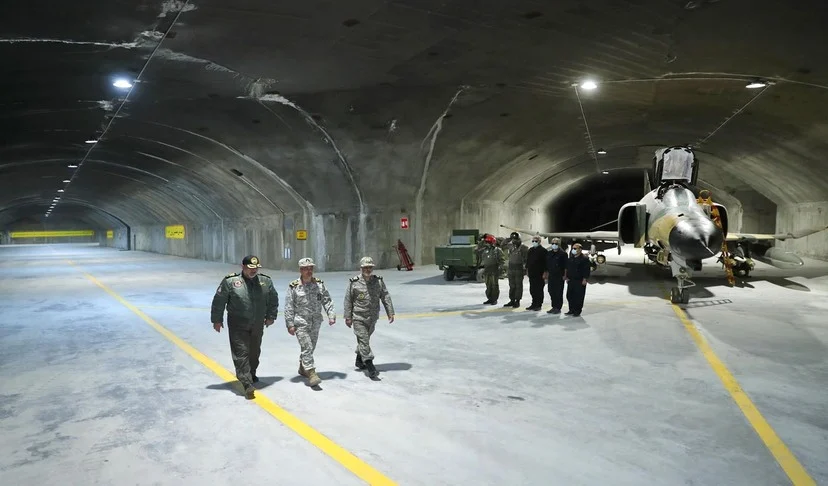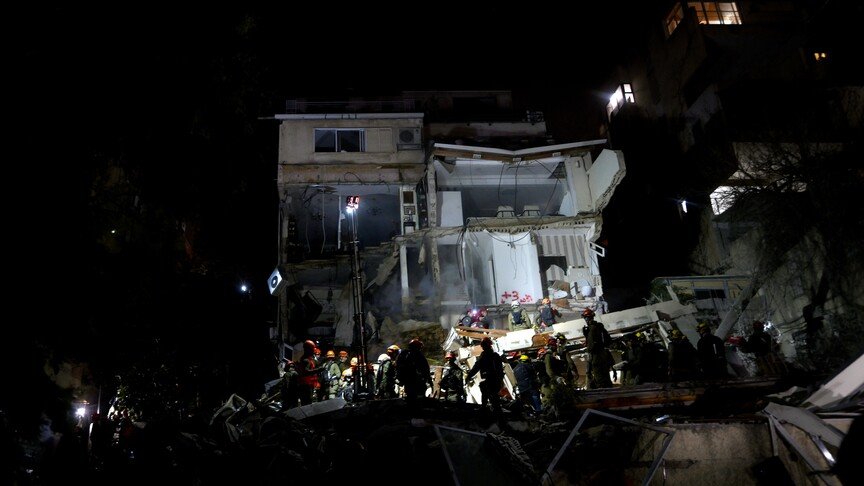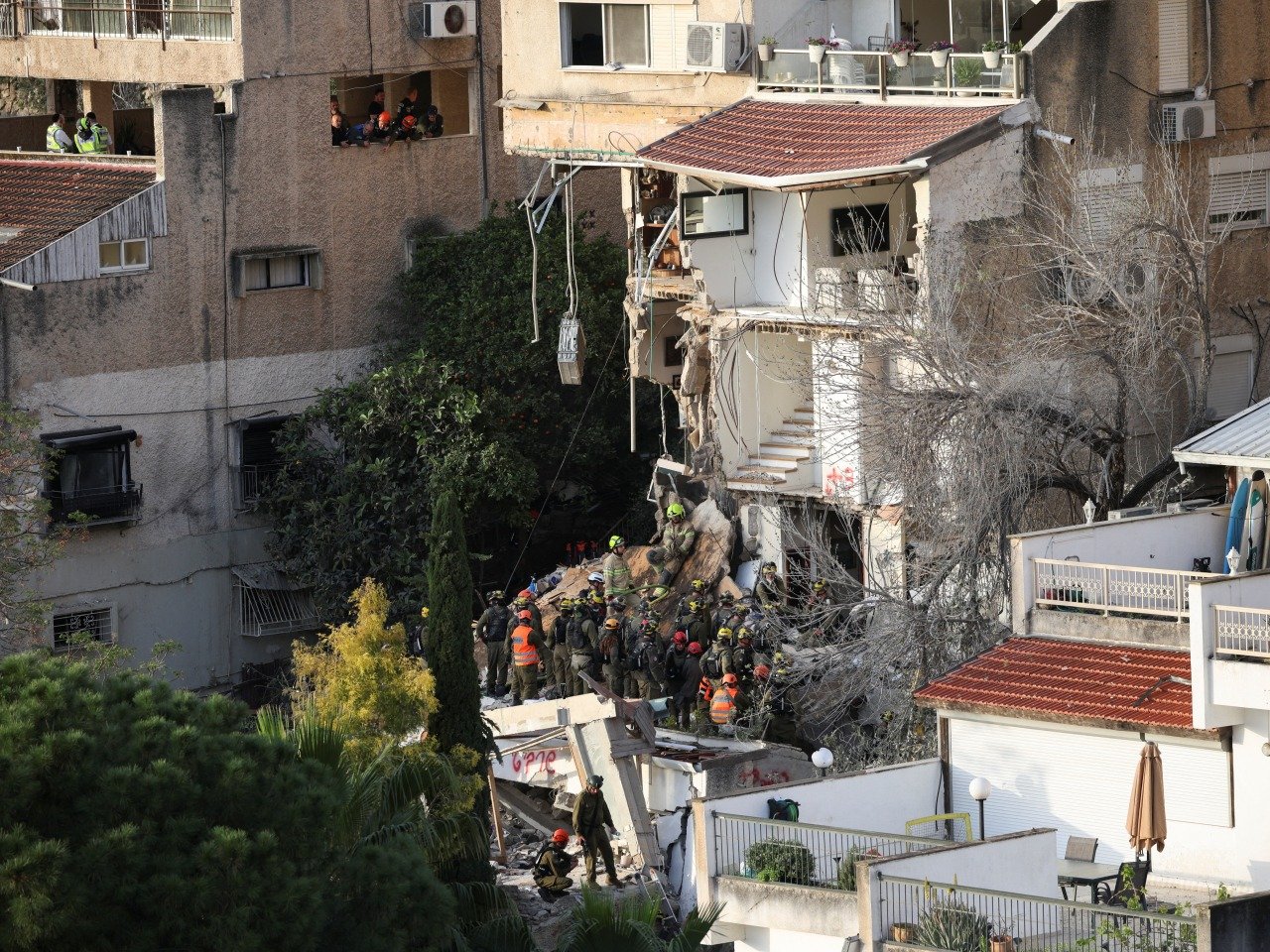


China may be directly assisting Iran in its ongoing standoff with the United States. Allegations include providing advanced AI intelligence and critical missile components to Tehran.
According to Daljoog News analysis, Beijing’s involvement could shift the balance in the Middle East, allowing Iran to track U.S. naval and air movements in real time and potentially escalate military tensions.
The development comes at a moment when U.S.-Iran relations are already strained, raising questions about the broader strategic ambitions of China in the region and the implications for global security.
What Happened?
Open-source reports and satellite analysis indicate that Chinese intelligence technologies are allegedly feeding Iran real-time information on U.S. fleet movements. This includes tracking aircraft carriers, warships, and other strategic assets in the Persian Gulf.
Additionally, at least five Chinese vessels are reported to have delivered sodium perchlorate to Iranian ports. This chemical is a critical ingredient for solid-fuel rockets and ballistic missiles. Recent U.S. strikes had damaged Iran’s rocket fuel facilities, but Chinese shipments appear to be revitalizing these capabilities.
Analysts argue that this support allows Iran to rearm quickly and directly challenge Washington. U.S. officials have expressed concern that such transfers blur the line between commercial and military assistance, as many Chinese firms claim private status despite holding national military licenses.
Why This Matters
If verified, China’s involvement represents a major escalation in the U.S.-Iran standoff. Beyond regional security implications, it signals that private Chinese firms, with tacit military backing, can circumvent international sanctions to strengthen Tehran’s military capabilities.
The intelligence and material transfers could make U.S. naval operations more vulnerable in the Persian Gulf. Analysts warn that Iranian forces may soon have the capacity to strike critical supply lines and military positions with far greater precision.
The strategic calculus is further complicated by global diplomatic considerations. China’s actions challenge existing frameworks for arms control and international oversight, highlighting the difficulty of enforcing restrictions in a hyper-connected, technologically advanced environment.
What Analysts or Officials Are Saying
Former U.S. intelligence officials have voiced frustration at the lack of direct countermeasures against Chinese shipments and companies allegedly aiding Iran. Questions have been raised about why sanctions or naval interceptions have not slowed these transfers.
Western defense analysts suggest that Beijing may be using Iran to assert geopolitical influence, proving its high-tech military capabilities while indirectly confronting the United States. Some observers also link China’s support to previous intelligence failures in Venezuela, seeing Tehran as a testing ground for strategic leverage.
Experts caution that China’s involvement is not officially military but is effectively backed by the People’s Liberation Army, creating plausible deniability while delivering tangible strategic benefits to Iran.
Daljoog News Analysis
China’s role highlights a growing trend of state-supported yet ostensibly private actors influencing global conflicts. By supplying both intelligence and missile materials, Beijing can advance its military and economic objectives while maintaining a degree of distance from confrontation.
For the U.S., this creates a complex dilemma. Conventional naval power alone may not be sufficient to counter intelligence-supported missile threats. American planners now face the challenge of responding to both technological and physical threats simultaneously.
This dynamic also underscores the evolving nature of modern warfare, where AI-enabled intelligence and high-tech logistics can rapidly shift local conflicts into global crises. Tehran benefits from a combination of domestic resilience and foreign technological assistance, potentially emboldening its actions against U.S. interests in the region.
What Happens Next
The immediate focus will be on monitoring Chinese shipments and Iranian missile developments. U.S. intelligence and military planners may increase surveillance and prepare contingency responses in the Persian Gulf.
Diplomatic pressure on Beijing could escalate, though experts warn that confrontation risks broader conflict. The window for preemptive action is narrow, as delays could allow Iran to consolidate its enhanced capabilities.
Regional allies are likely to closely watch the situation, balancing security concerns with economic and political ties to both China and the U.S. The unfolding scenario could redefine power dynamics in the Middle East and influence global strategic calculations for years to come.