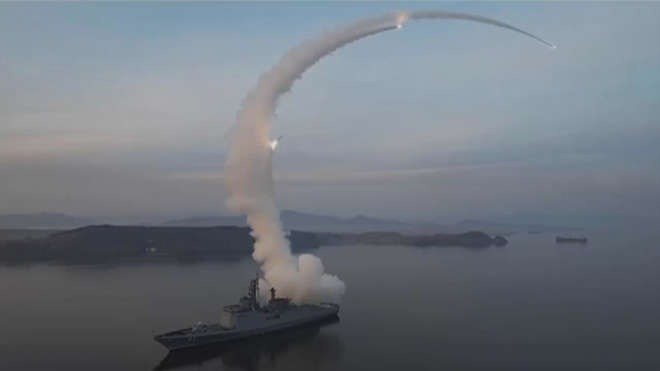



Iran’s ongoing missile and drone attacks have pushed the Middle East conflict into an increasingly uncontrollable state. Israel, facing repeated strikes, is experiencing widespread disruption as civilians shelter daily in bunkers to survive.
According to Daljoog News analysis, while physical safety is largely maintained, the psychological toll on Israeli citizens is mounting, with experts warning of a growing mental health crisis fueled by constant alerts, sirens, and uncertainty.
The situation illustrates how modern warfare’s indirect impacts—stress, anxiety, and trauma—can affect entire populations, extending the consequences of the conflict beyond immediate military targets.
What Happened?
Since early Ramadan, Iran’s retaliatory operations against Israel and allied U.S. positions have involved continuous missile barrages and drone attacks across the region. Residents in Israel regularly hear air-raid sirens signaling potential strikes, forcing them to seek shelter in bunkers multiple times a day.
Even when no attack occurs, technical glitches in warning systems sometimes trigger false alarms, further amplifying fear. In other cases, strikes have occurred without prior alerts, leaving civilians vulnerable and heightening anxiety. The repeated cycle of sirens, sheltering, and uncertainty has created persistent stress among the population.
Why This Matters
The psychological impact of living under continuous threat is becoming a public health concern in Israel. Mental health professionals report a rise in stress-related conditions, including anxiety, insomnia, and trauma-related symptoms. Long-term exposure to fear and uncertainty may exacerbate these issues, potentially affecting social cohesion and productivity.
Beyond Israel, the escalating Iran-Israel conflict destabilizes the broader Middle East. Neighboring countries monitor the situation closely, as ongoing strikes threaten regional security, energy infrastructure, and international transportation routes.
What Analysts or Officials Are Saying
Security analysts emphasize that Iran’s sustained attacks demonstrate both military capability and psychological strategy, aiming to disrupt civilian morale as well as strategic targets. Observers highlight that the prolonged conflict, combined with technological and warning system inconsistencies, intensifies civilian stress.
Healthcare experts warn that without targeted interventions, Israel may see a rapid increase in mental health cases. Authorities are urged to provide counseling, support services, and public guidance to mitigate the psychological toll of continuous alerts and attacks.
Daljoog News Analysis
Daljoog News assesses that the conflict’s mental health consequences are an often-overlooked front of modern warfare. While physical infrastructure can be repaired, the psychological effects of repeated sheltering, sirens, and uncertainty can have lasting societal impact.
This evolving crisis underscores the importance of integrating civilian mental health strategies into broader security planning. The combination of continuous conflict and high-alert environments illustrates how warfare extends beyond immediate military targets, affecting entire populations.
What Happens Next
The conflict is expected to continue as Iran maintains pressure through missile and drone operations. Israeli authorities may enhance early-warning systems and expand mental health support services to cope with rising stress levels.
Regional and global observers will continue monitoring developments, as persistent psychological strain on civilians could influence social stability and long-term resilience in Israel. The escalation also serves as a warning that the conflict’s consequences extend far beyond military outcomes, shaping civilian life across the Middle East.