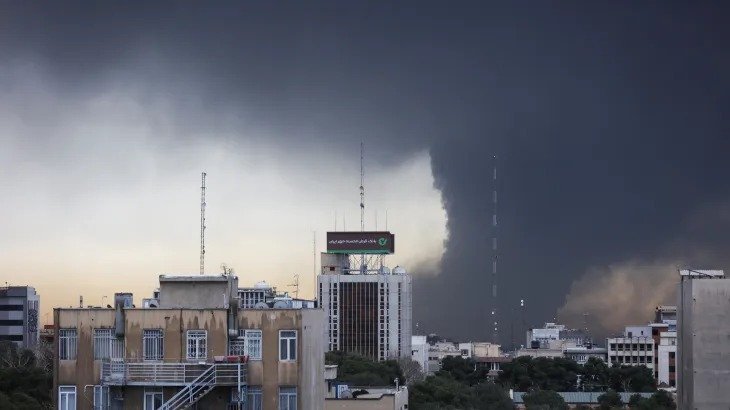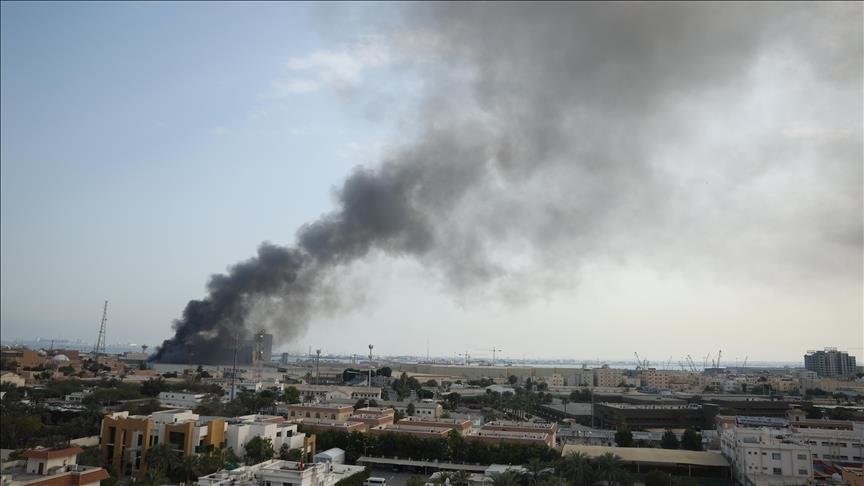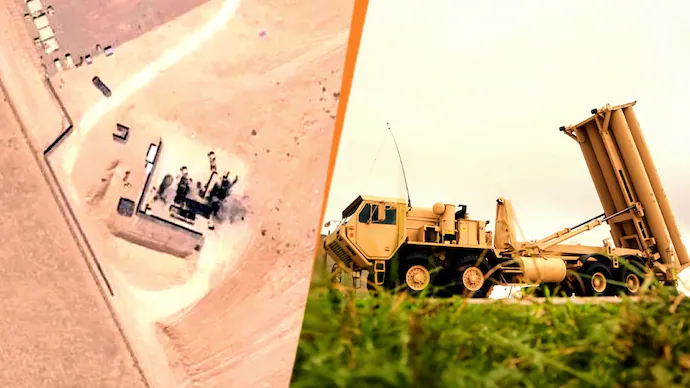



Dubai International Airport, one of the busiest hubs in the world, has faced unprecedented disruption as Middle East tensions escalate. Security measures prompted by potential Iranian retaliatory strikes have forced temporary closures, leaving thousands of passengers stranded and flights canceled.
According to Daljoog News analysis, the airport’s shutdown highlights the immediate impact of regional conflict on global connectivity. Beyond the Gulf, international trade, tourism, and air cargo networks have all felt the strain, signaling broader economic consequences.
The disruption comes amid fears over the Strait of Hormuz, a critical oil shipping lane, where ongoing military hostilities have raised energy market volatility. Analysts warn that aviation, shipping, and global markets are all increasingly intertwined with the region’s security dynamics.
What Happened?
Dubai International Airport briefly suspended operations for security reasons, only to partially reopen and then close again shortly afterward. Thousands of flights have been canceled across Dubai, Abu Dhabi, and Doha, affecting nearly 21,300 flights in total since tensions escalated.
The closures have created severe disruption for international travelers, leaving passengers stranded in terminals or rerouted through other hubs. Airport authorities have struggled to manage the flow, while airlines attempt to adjust schedules amid a rapidly evolving security environment.
Financial analysts estimate that Dubai International Airport incurs losses of roughly $1 million per minute when operations halt. If the airport remained closed for a full 24 hours, losses could approach $104 million, making this one of the largest operational disruptions in the post-pandemic era.
Meanwhile, the potential closure of the Strait of Hormuz has heightened concerns over global energy supply. With oil and LNG shipments at risk, crude prices have surged and global markets have shown growing volatility.
Why This Matters
Dubai International Airport is a global transit hub, connecting Europe, Asia, and Africa. Even temporary closures ripple across international air traffic, cargo supply chains, and tourism economies.
The current disruption demonstrates how quickly geopolitical events can impact global connectivity. Airlines face operational bottlenecks, cargo shipments are delayed, and millions of travelers experience cascading travel disruptions.
Beyond aviation, the economic effect is felt in stock markets and commodity prices. Rising oil prices, already spurred by Strait of Hormuz tensions, are exacerbated by logistical constraints caused by grounded flights. Analysts warn that sustained closures or repeated security alerts could have prolonged effects on the Gulf’s broader economy.
What Analysts or Officials Are Saying
Transportation experts note that such a large-scale disruption is extremely rare outside of pandemic-related shutdowns. Air traffic management, scheduling, and passenger logistics are all severely strained under sudden closures of a hub like Dubai.
Financial analysts point out that even partial airport closures in key Gulf hubs can trigger regional and international economic shocks. Airlines, freight operators, and multinational companies all face rising operational costs and uncertainty.
Security and aviation authorities in the region are balancing passenger safety with the need to maintain critical air travel. The situation remains fluid as governments monitor Iranian missile activity and assess potential threats to airport operations.
Daljoog News Analysis
The temporary shutdown of Dubai International Airport underscores a wider truth: Middle East conflicts are no longer confined to localized battlefields. Modern economies and transportation networks are tightly interlinked with the region’s security.
The disruption demonstrates how energy and transportation vulnerabilities can amplify geopolitical risk. Even a short-term closure of a major hub affects passenger movement, air cargo, and international business connectivity.
For global airlines and trading partners, the incident serves as a reminder of the fragility of supply chains in high-risk regions. Operational and financial contingency planning is now more critical than ever.
The combination of air travel disruption and energy market volatility also reinforces how regional instability can quickly cascade into broader economic uncertainty.
What Happens Next
Authorities are expected to continue monitoring threats and adjusting airport operations as needed. Airlines are likely to reschedule and reroute flights, while passengers face continued uncertainty until the security situation stabilizes.
Global markets will watch for signs of ongoing disruption, particularly if further retaliatory strikes occur. Analysts warn that until tensions ease, both aviation networks and energy supply chains remain at risk of further interruption.