
The Strait of Hormuz, one of the world’s most critical maritime chokepoints, has slowed to a near standstill amid escalating Middle East tensions. Chinese officials have opened talks with Iran to guarantee safe passage for oil and LNG tankers through the strait, ensuring vital energy flows.
According to Daljoog News analysis, this diplomatic move underscores how reliant China is on Middle Eastern energy. Nearly 45 percent of the country’s crude oil imports transit this narrow waterway, making its security crucial to both China and global markets.
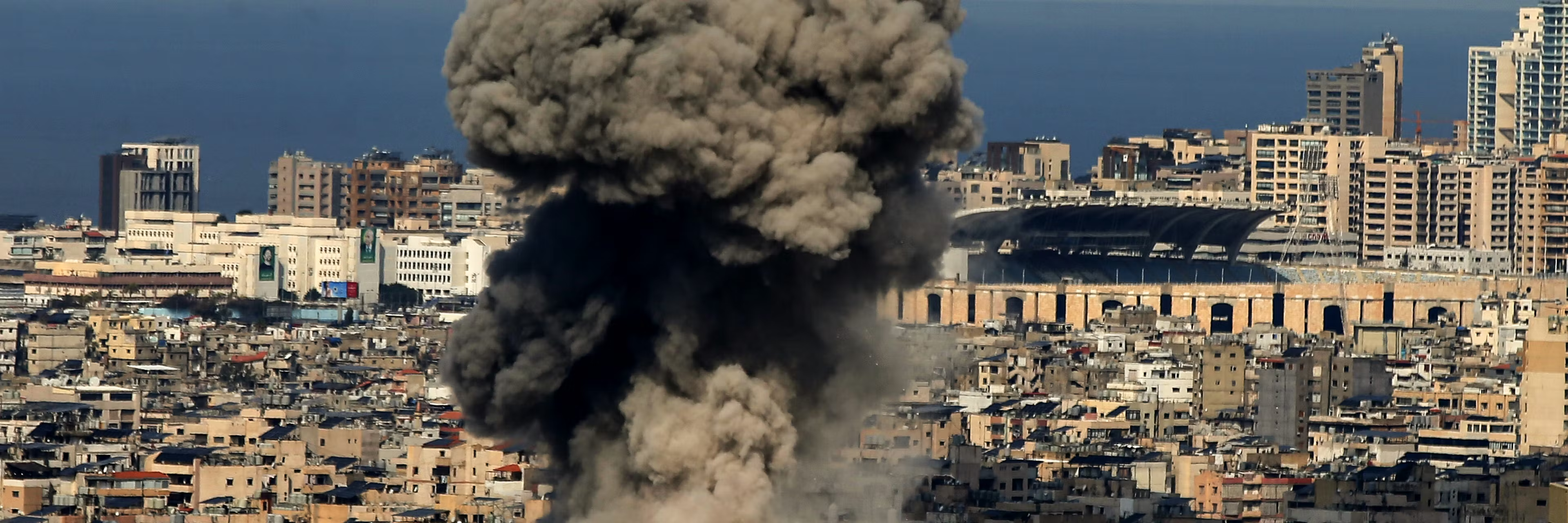
The disruption comes in the wake of ongoing hostilities between Iran, the United States, and Israel. Analysts warn that if the strait remains constrained, global energy prices and supply chains could experience far-reaching instability.
What Happened?
The Strait of Hormuz connects the Persian Gulf to the Gulf of Oman and channels roughly 20 percent of the world’s oil and liquefied natural gas shipments. Recent tracking data show tanker traffic has plunged dramatically due to the regional conflict.
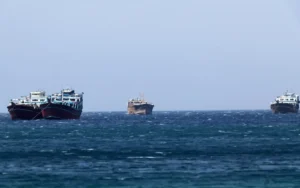
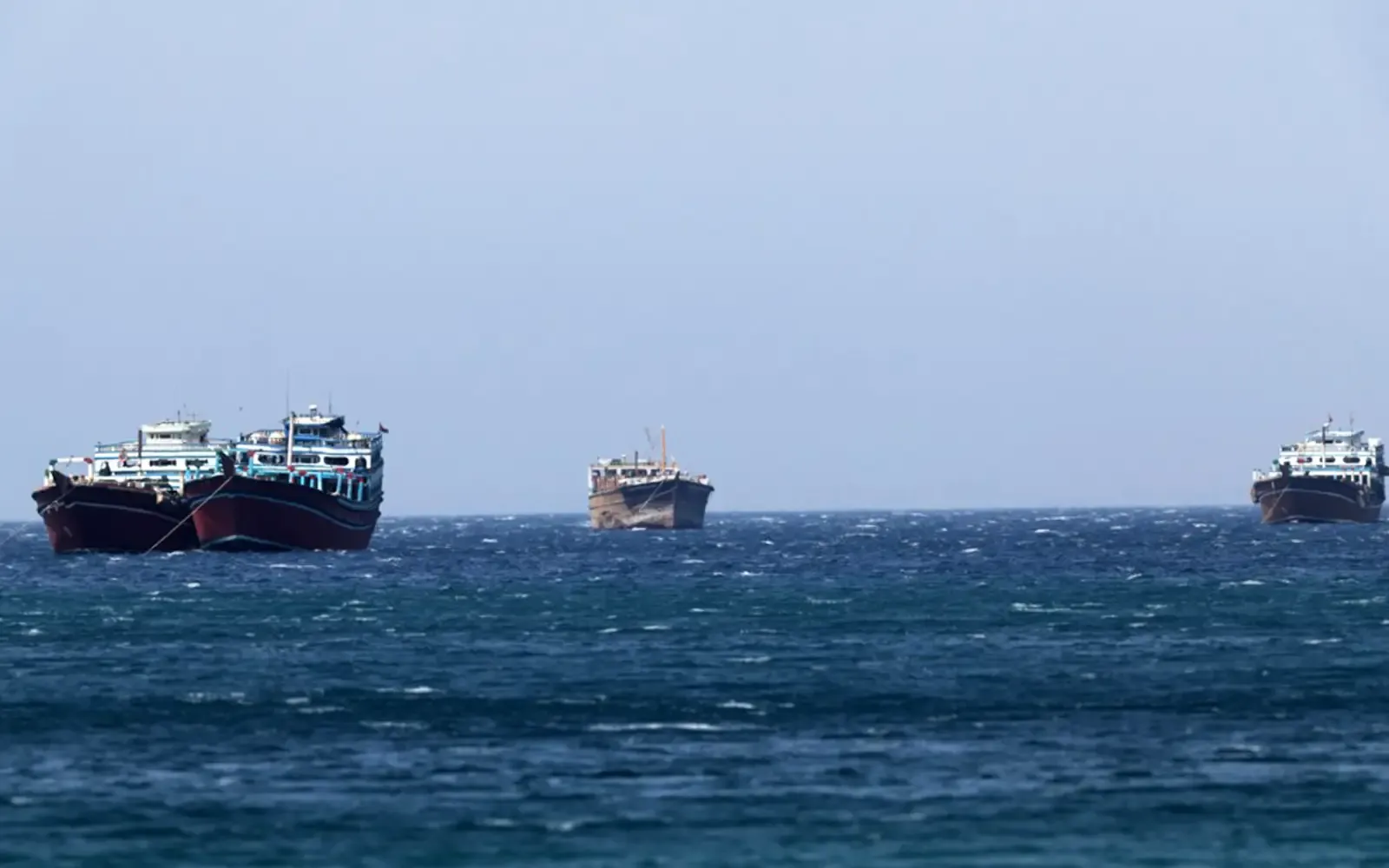
Before tensions escalated, about 24 oil tankers crossed the strait daily. Now, only a handful of vessels are moving, while approximately 300 tankers wait within the waterway for safe passage.
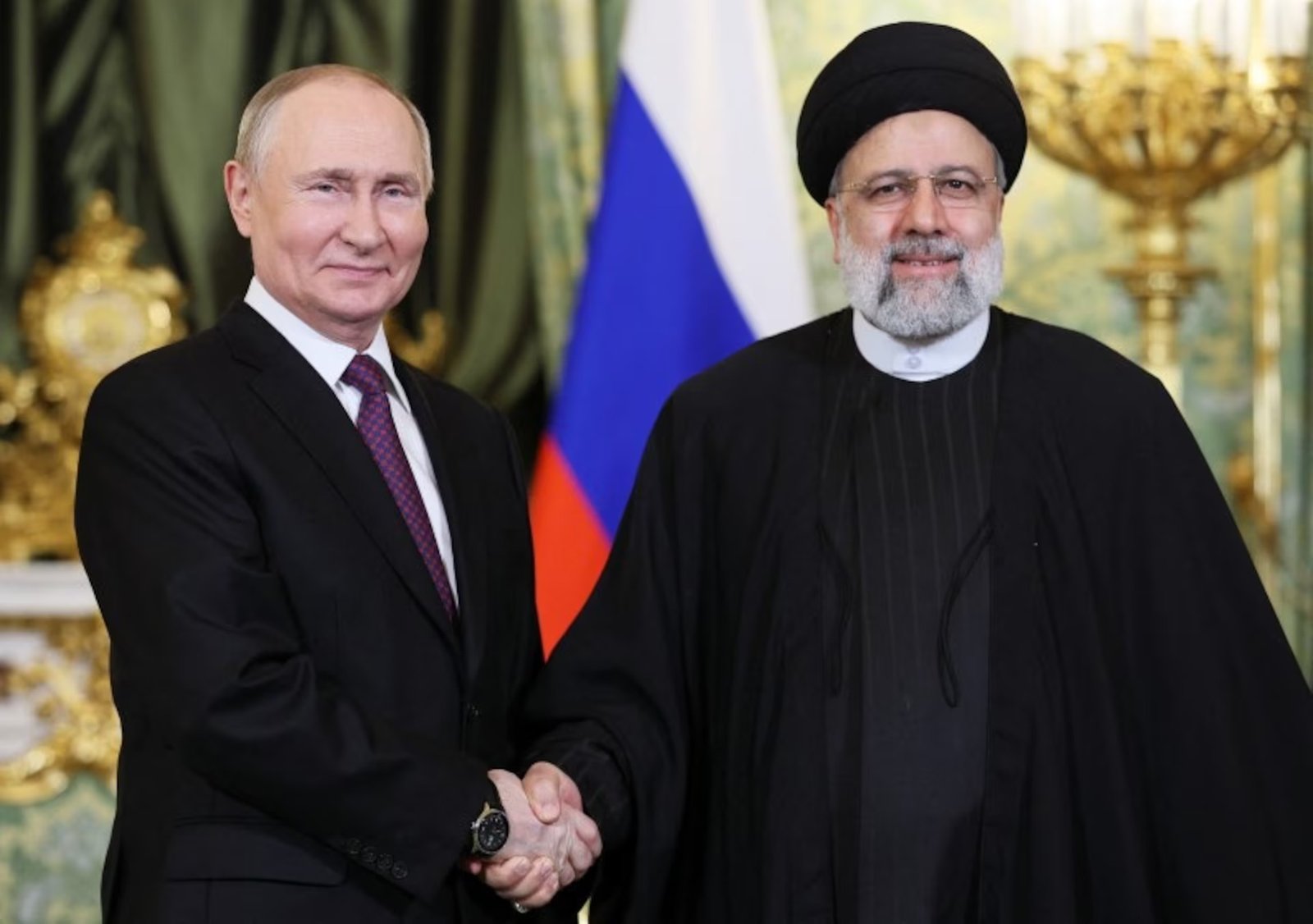
China has reportedly entered talks with Iran to ensure that its oil and LNG tankers, including shipments from Qatar, can transit the strait without obstruction. These negotiations aim to mitigate the risk of supply shortages that could ripple through global energy markets.
Meanwhile, crude oil prices have already reacted. International benchmarks have surged more than 15 percent as tanker movement slows and uncertainty grows.
Why This Matters
The Strait of Hormuz is more than just a shipping lane—it is the lifeline of global energy supply. Any disruption immediately affects oil prices, energy security, and international trade.
For China, which relies heavily on Gulf oil, prolonged delays could force emergency diversions, accelerate alternative supply planning, or even drive strategic stockpiling.
Analysts warn that localized conflicts in the strait can trigger cascading effects worldwide, including inflation, transportation delays, and supply chain bottlenecks. The episode underscores the vulnerability of global energy infrastructure to geopolitical tensions.
What Analysts or Officials Are Saying
Energy experts note that the current bottleneck is unusual and alarming. Tanker congestion in the Strait of Hormuz not only delays shipments but also increases the risk of maritime accidents.
Some analysts suggest that if instability continues, insurance premiums for vessels navigating the strait could rise significantly, further driving up energy costs.
Chinese authorities are reportedly pursuing a dual approach: maintaining dialogue with Iran while coordinating with shipping operators to secure safer routes for tankers.
International observers stress that collaboration between Tehran and Beijing could stabilize the corridor—but uncertainty remains high given ongoing US-Israel-Iran tensions.
Daljoog News Analysis
The Strait of Hormuz has evolved into a high-stakes strategic and economic flashpoint. Unlike conventional conflicts, the current tension demonstrates how critical energy supply routes have become primary battlegrounds.
China’s engagement with Iran reflects the country’s need to protect its energy imports while minimizing economic fallout. The situation also highlights the growing influence of regional players like Iran, capable of threatening global energy flows through precision strikes or geopolitical leverage.
The current gridlock serves as a stark reminder that modern warfare and geopolitics can disrupt markets instantly. Energy prices, refining operations, and global trade are all vulnerable when vital maritime chokepoints like Hormuz are compromised.
If the standoff persists, nations dependent on Gulf oil may face sustained price volatility, delayed shipments, and increased strategic uncertainty.
What Happens Next
Analysts predict China will continue negotiations to secure uninterrupted tanker movement. Tehran’s cooperation—or lack thereof—will determine whether shipping congestion eases or worsens.
Meanwhile, global energy markets will likely remain volatile, and some tankers may continue waiting days for clearance.
Authorities and shipping operators may deploy contingency plans, including temporary rerouting or increased security patrols. The outcome will have implications far beyond the Gulf, affecting global energy security, prices, and trade.