

Israel’s military aggression in the Middle East shows no sign of slowing down. Over the past two years, Israel has conducted repeated attacks in Gaza and extended its operations to neighboring countries, including Syria. Recent events indicate a dramatic resurgence of Israeli military activity in Syria, which could destabilize the region further.
After the fall of Bashar al-Assad, Syria’s political landscape briefly appeared to offer a window for peace. Rebel leader Abu Mohammed al-Zolani stepped aside, and Ahmed al-Sara assumed the role of interim president. Initially, al-Sara signaled no hostility toward Israel, and Damascus’s new governor, Maher Marwan, emphasized a desire for peaceful relations.
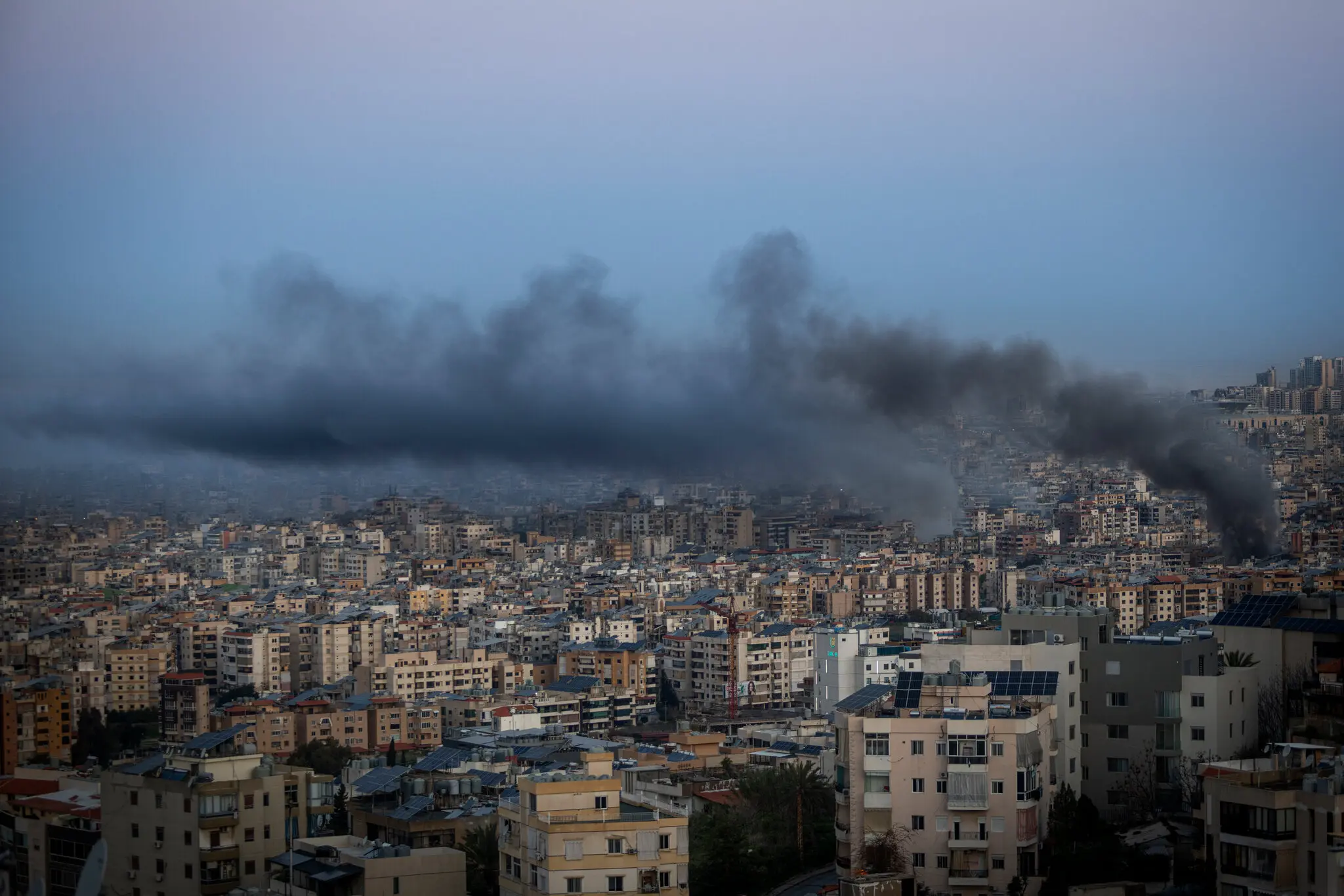
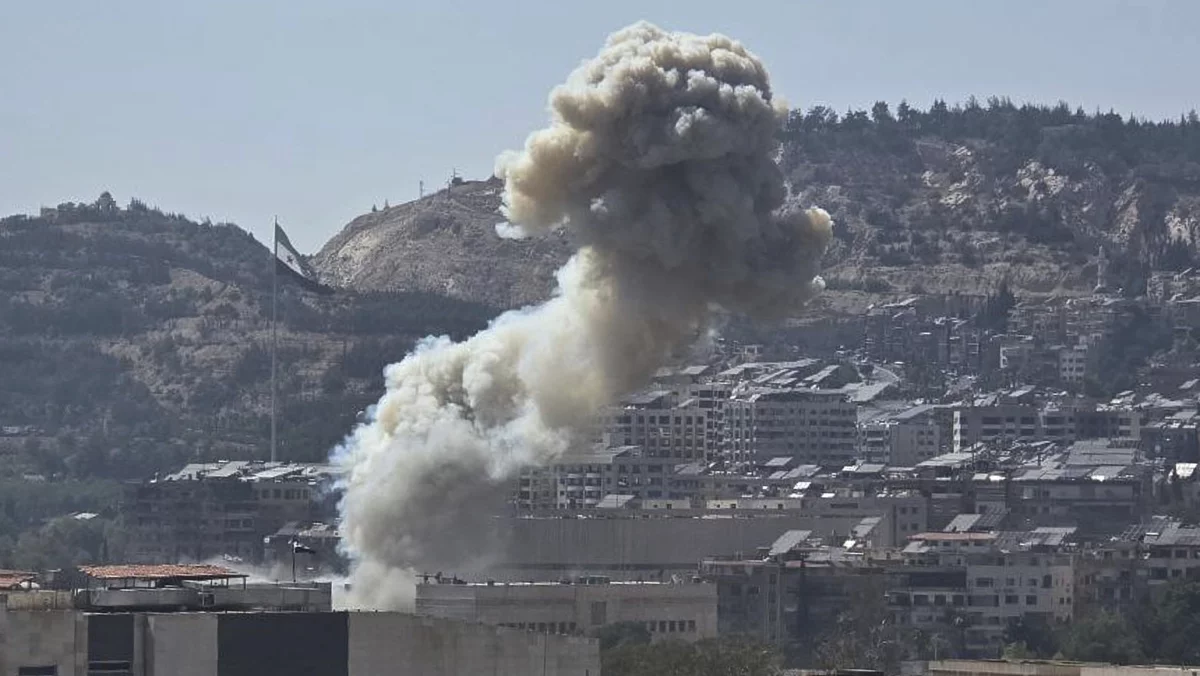
Despite these gestures, Israeli airstrikes in Gaza continued, leaving Palestinians frustrated. One year later, Syrians’ mood has shifted sharply. At the end of November, Israeli helicopters and artillery targeted Bedjin village in southwestern Damascus. Local reports indicate that Israeli forces entered homes, detained three villagers, and triggered armed clashes with residents. The entire village resisted the attackers, forcing Israel to deploy air reinforcements.
When al-Sara took office, Israel faced two options: accept Syria’s new leadership or seek to forge new alliances. Instead, it launched extensive airstrikes across large areas, severely damaging Syria’s air force, sinking its naval assets, and destroying radar systems. This was followed by a ground offensive in southern Syria. Since al-Sara assumed power, Israel has carried out over 600 bombing raids in the country.
In response, al-Sara initially sought support from Saudi Arabia. Crown Prince Mohammed bin Salman assured him that Saudi Arabia would not repeat past failures in Syria. Al-Sara was introduced to former U.S. President Donald Trump, paving the way for his visit to the White House and the lifting of some sanctions. This move also encouraged renewed foreign investment in Syria.
However, last week, this support was tested when an ISIS attack in Syria killed two American soldiers. Despite the incident, Trump did not respond aggressively, frustrating Israeli diplomatic channels. Meanwhile, Prime Minister Benjamin Netanyahu vowed not to withdraw from southern Syria, describing Israel’s operations as a “cancer operation” and acknowledging the conflict could be endless.
Analysts argue that Israel’s growing military ambitions in Syria could eventually backfire. The ongoing assaults, while intended to assert dominance, may instead mark the threshold of Israel’s strategic limitations. Experts warn that Syria’s resilience and shifting alliances could lead to Israel being forced to concede in the long run.
The renewed Israeli aggression in Syria highlights the volatile nature of regional politics. With airstrikes, ground offensives, and diplomatic tensions intensifying, the risk of prolonged conflict has increased. Syria’s current leadership appears determined to resist, while Israel continues to pursue ambitious military objectives that may not yield lasting results.
Observers caution that the ongoing escalation could destabilize neighboring countries and unsettle broader international relations. Syria’s defensive measures and alliances with foreign powers suggest that the conflict may be prolonged, with outcomes uncertain. The situation underscores the challenges Israel faces in achieving its strategic goals in the region.
The cycle of aggression and resistance in Syria reflects a broader trend in the Middle East: military operations are increasingly intertwined with political calculations and international alliances. As Israel continues to target Syrian territory, analysts warn that any misstep could trigger wider regional repercussions.
Syria’s resilience, combined with international dynamics, suggests that Israel’s military campaign may ultimately reach a point of diminishing returns. Experts emphasize that the current escalation may not secure Israel’s objectives and could mark a turning point where the aggressor faces strategic setbacks.