

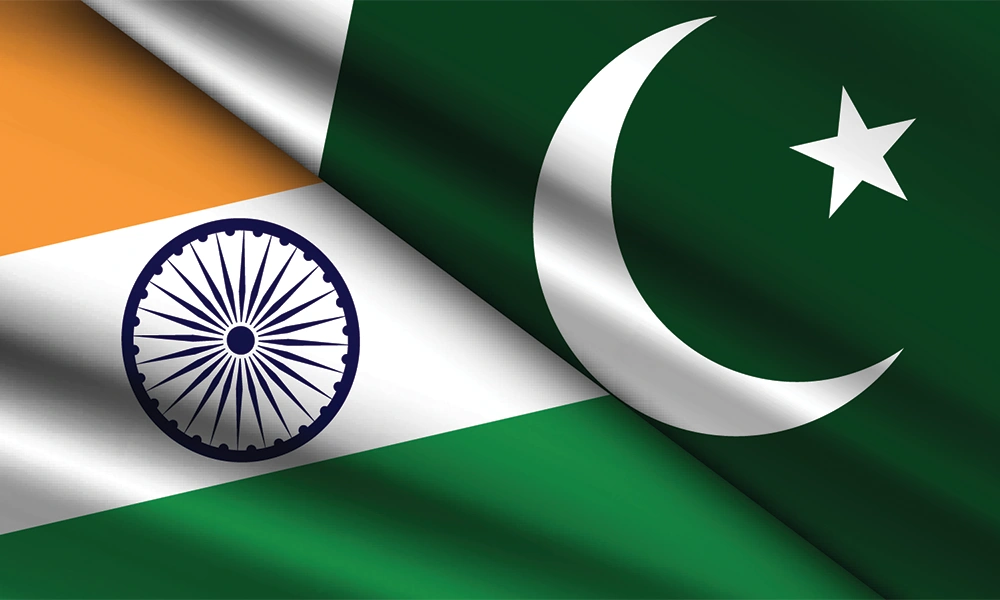
Tensions between India and Pakistan have surged again, with both sides issuing strong warnings that signal a possible escalation. Senior officials from both countries have raised the tone of their rhetoric, increasing concern across South Asia.
According to Daljoog News analysis, the latest exchange of threats reflects a deeper pattern of mistrust that continues to shape relations between the two nuclear-armed neighbors. The language used by both sides suggests that even a limited incident could quickly spiral into a broader crisis.
The renewed tensions come at a time when global attention is already focused on conflicts in other regions, particularly the Middle East. This overlap raises fears that another flashpoint could emerge, further complicating international stability.
What Happened?
Pakistan’s Defense Minister Khawaja Asif warned that any aggressive move by India would be met with a direct and decisive response. He indicated that future retaliation could reach major Indian cities, signaling a significant escalation in tone.
His remarks followed reports in Indian media suggesting that New Delhi may respond strongly to any perceived provocation. Pakistani officials also claimed that India could attempt to stage incidents to justify military action, though no evidence was presented to support this assertion.
On the other side, India’s Defense Minister Rajnath Singh delivered a firm message during a public event in Kerala. He stated that India’s campaign against militant networks linked to Pakistan had not concluded and would continue if further attacks occur.
Singh emphasized that any future incident would trigger a response stronger than previous operations. He suggested that India is prepared to act with greater intensity if provoked again.
The exchange of statements marks one of the sharpest rhetorical escalations between the two countries in recent months. Both sides appear to be signaling readiness rather than restraint.
Why This Matters
The stakes in any India-Pakistan confrontation are exceptionally high. Both countries possess nuclear weapons, making even limited conflict a global concern.
Escalating rhetoric increases the risk of miscalculation. Statements made for domestic political reasons or strategic signaling can sometimes be interpreted as immediate threats, raising the chance of unintended escalation.
The situation also affects regional stability. South Asia is home to nearly two billion people, and any military conflict could disrupt trade, economic growth, and security across the region.
In addition, global powers closely monitor such tensions. The United States, China, and other major actors have historically played roles in de-escalation, but their influence may be tested if the situation intensifies quickly.
What Analysts or Officials Are Saying
Security analysts note that both governments are using strong language to reinforce deterrence. By signaling readiness to respond forcefully, each side aims to discourage the other from taking aggressive steps.
However, experts also warn that such rhetoric carries risks. When both sides adopt uncompromising positions, it becomes harder to step back without appearing weak. This dynamic can limit diplomatic options.
Officials in both countries have framed their positions around national security. Pakistan has emphasized sovereignty and defensive readiness, while India has focused on counterterrorism and preventing future attacks.
International observers are likely to call for restraint. Past crises between the two countries have often required external diplomatic efforts to prevent escalation.
Daljoog News Analysis
This latest exchange highlights a familiar but dangerous cycle in India-Pakistan relations. Strong statements are often used to project strength, but they also narrow the space for dialogue.
The absence of clear evidence behind some of the more serious accusations adds another layer of uncertainty. Claims of staged incidents, for example, can deepen mistrust and complicate any effort to establish facts during a crisis.
At the same time, both governments appear to be addressing domestic audiences as much as each other. Political pressure at home often pushes leaders to adopt tougher positions, especially on national security issues.
The broader concern is not immediate conflict, but gradual escalation. Small incidents, combined with heightened rhetoric, can create a situation where neither side wants to back down. This is where risks become harder to control.
What Happens Next
In the coming days, diplomatic signals will be closely watched. Any shift toward dialogue or backchannel communication could help ease tensions.
Military movements along the border may also come under scrutiny. Even routine deployments can take on greater significance during periods of heightened tension.
International actors may step in if the situation escalates further. Calls for restraint and mediation are likely if both sides continue to exchange warnings.
Ultimately, the direction of events will depend on whether either side takes concrete action. For now, the situation remains tense but uncertain, with the potential for both escalation and de-escalation still in play.