

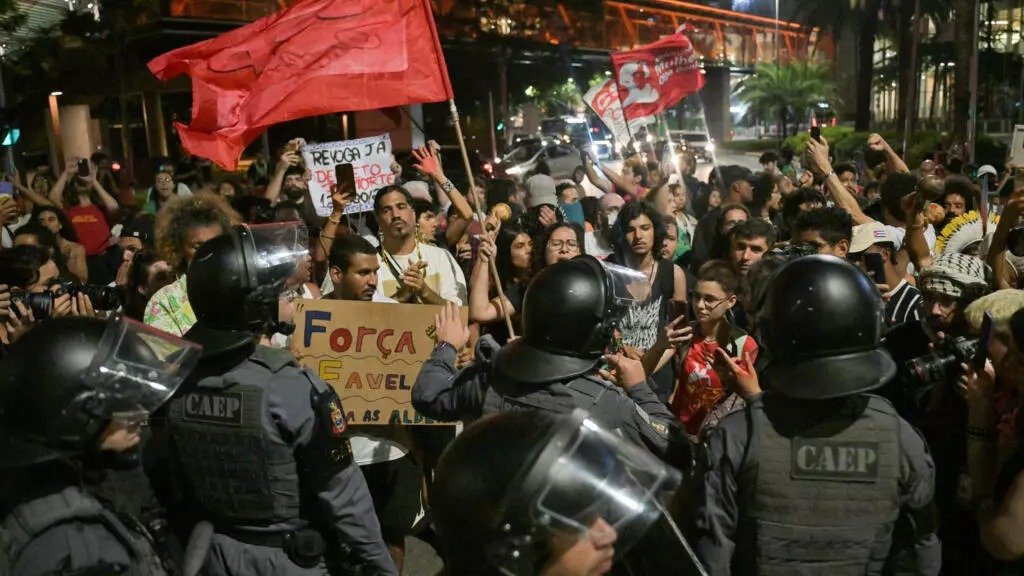
Indigenous activists in Brazil have occupied a Cargill-operated port terminal in Santarem, Para state, calling for a ban on river dredging in the Amazon. The action comes amid concerns that expanded shipping threatens both local communities and the environment.
According to Daljoog News analysis, the protest highlights growing friction between economic development plans and Indigenous rights, illustrating the broader struggle to balance commercial interests with environmental protection in the Amazon basin.
The occupation adds urgency to ongoing debates over river port expansions, particularly as Brazil seeks to enhance transport for soy and corn exports while navigating social and ecological responsibilities.
What Happened?
Protesters had been gathering outside the Cargill terminal for nearly a month before entering the facility on Saturday, suspending operations and occupying company offices. The demonstrators oppose an August decree by President Luiz Inacio Lula da Silva that designated Amazonian rivers as priority areas for shipping and port development.
Cargill, the US-based agribusiness giant and a leading exporter of soy and corn, stated that operations were halted due to the “ongoing dispute between government authorities and Indigenous communities.” Company officials urged all parties to engage in constructive dialogue.
Activists also staged demonstrations at Cargill offices in São Paulo on Friday, signalling that the movement is coordinated across multiple regions.
Why This Matters
Brazil is the world’s largest exporter of soy and maize, and the government’s port expansion plans aim to ease transportation bottlenecks for these commodities. However, Indigenous communities argue that dredging rivers and expanding terminals endangers ecosystems and disrupts traditional ways of life.
The dispute underscores a persistent challenge: how Brazil can pursue economic growth while protecting Amazonian waterways, which serve both as cultural lifelines for Indigenous populations and as globally significant environmental assets.
What Analysts or Officials Are Saying
Community leaders, including Alessandra Korap of the Munduruku Indigenous group, have made it clear that the protest will continue until the decree is revoked. Protester Thiago Guarani told AFP that dredging risks turning rivers “from a common good for all humanity into the property of a single individual.”
Government authorities recently suspended dredging in the Tapajos River, a key tributary, following Indigenous-led campaigns. Observers suggest that the occupation of the Cargill terminal is likely to pressure officials to expand consultations with local communities before further port development occurs.
Daljoog News Analysis
The protest illustrates a growing global tension between large-scale agribusiness and environmental stewardship. Cargill, as a dominant exporter, faces increasing scrutiny over its impact on vulnerable ecosystems.
For Brazil, the occupation could have immediate economic implications, potentially delaying shipments of soy and corn at a critical time for international trade. At the same time, it demonstrates the leverage Indigenous groups can exert in shaping national policy, particularly when environmental and social concerns intersect.
This incident also signals to international investors and multinationals that local communities are organized and capable of influencing operational decisions, highlighting the importance of proactive engagement and transparent environmental planning.
What Happens Next
The government faces a critical decision: whether to uphold river dredging projects or to negotiate with Indigenous groups for alternative solutions. Cargill and authorities are expected to engage in dialogue to minimize disruption while addressing community concerns.
Observers will closely watch whether Brazil can reconcile economic priorities with environmental protection and Indigenous rights. The outcome may set a precedent for similar disputes across the Amazon, affecting both domestic policy and global perceptions of sustainable trade practices.