


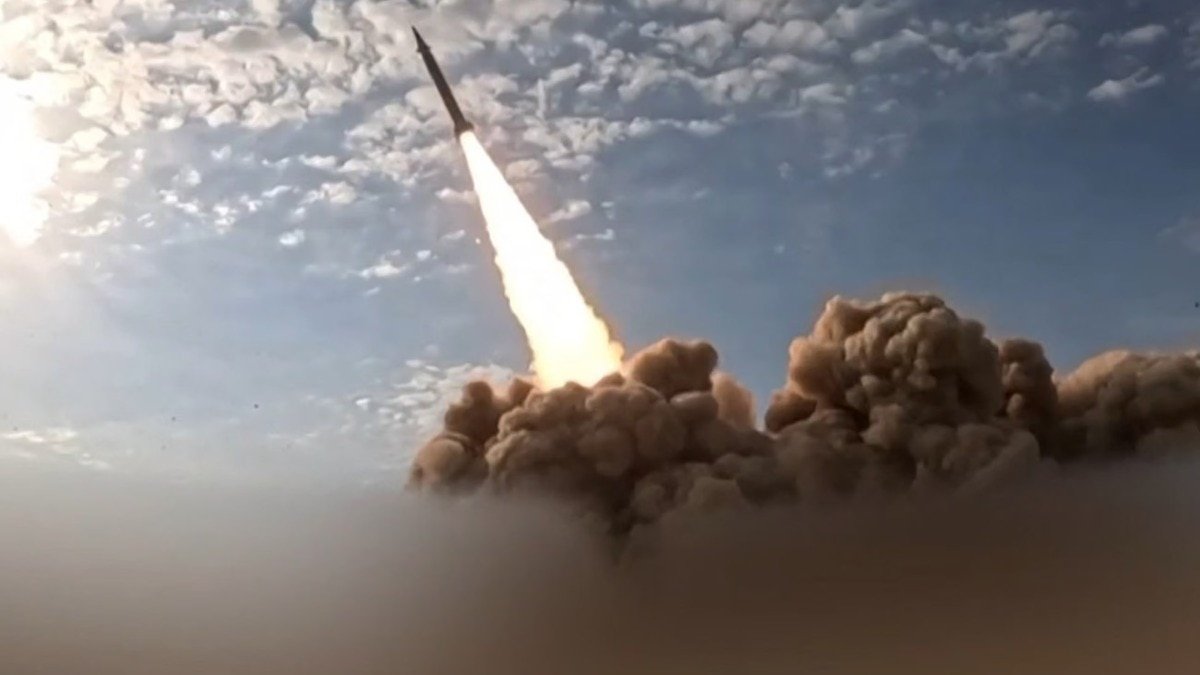
Iran has publicly acknowledged the support of four nations—India, Pakistan, Spain, and Germany—during its 83rd retaliatory missile operation targeting the United States and Israel. The announcement highlights Tehran’s growing regional messaging amid ongoing military tensions.
According to Daljoog News analysis, the recognition of these countries signals both diplomatic gratitude and a broader strategy to reinforce international alliances that are perceived as sympathetic or neutral in the conflict.
The disclosure comes amid continued Iranian missile activity, which has focused on multiple strategic sites in Israel, the United States, and allied bases in the Gulf region, showing Tehran’s sustained operational capability.
What Happened?
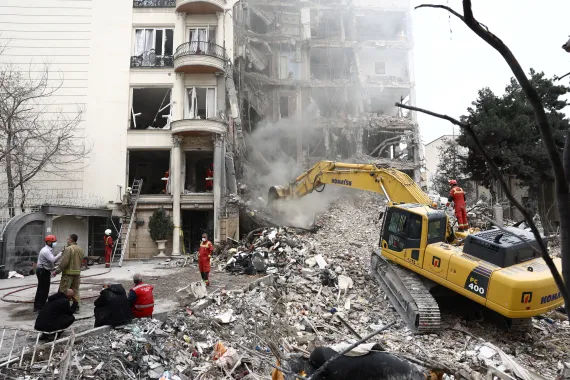
The Islamic Revolutionary Guard Corps (IRGC) stated that the 83rd phase of “Operation True Promise Four” involved strikes against multiple military installations. Targets reportedly included Israel’s Ashdod oil depot, military facilities in Modi’in, a US intelligence center, and bases in the United Arab Emirates and Kuwait.
According to reports from Hindustan Times and The Times of India, the Iranian embassy publicly thanked India, along with Pakistan, Spain, and Germany, for their support and solidarity. The IRGC said the operation employed long-range and medium-range missiles, multi-warhead technology, and drones.
This announcement marks a rare instance where Iran openly credited foreign nations while carrying out offensive actions, highlighting the intersection of military strategy and international diplomacy.
Why This Matters
Acknowledging external countries in a military operation is unusual in global conflicts, and it underscores Iran’s intent to strengthen diplomatic ties while projecting power. It also signals to other nations that Tehran seeks recognition and backing even as it confronts US and Israeli forces.
The strike demonstrates Iran’s capacity to target multiple strategic points across different countries simultaneously, raising concerns for regional security and energy supply routes in the Gulf. The inclusion of drone and multi-warhead missile technology indicates an evolution in Tehran’s operational capabilities.
What Analysts or Officials Are Saying
Security analysts note that Iran’s public acknowledgment serves a dual purpose: cementing international solidarity and conveying to adversaries that it maintains broad support. Observers suggest that the named countries may have played diplomatic or indirect roles rather than participating directly in military operations.
Officials caution that such statements could influence both regional alliances and global perceptions, especially regarding the safety of shipping lanes and energy infrastructure in the Persian Gulf.
Daljoog News Analysis
By publicly naming supportive nations, Iran blends military action with strategic communication. This approach aims to legitimize its retaliatory measures while signaling to both allies and opponents that Tehran has international sympathy and indirect backing.
The operation underscores the complexity of Middle Eastern conflicts, where military strikes are intertwined with diplomatic signaling. Tehran’s combination of missile technology, drone capability, and public diplomacy shows an effort to project strength beyond conventional military engagement.
What Happens Next
The international community will likely monitor reactions from the countries named by Iran, particularly India and Pakistan, to assess the extent of their involvement or tacit support. Further missile activity from Iran is expected, potentially escalating tensions in the Gulf and affecting global energy markets.
For regional security, the developments highlight the strategic importance of alliances and the impact of military operations that are simultaneously operational and symbolic.