


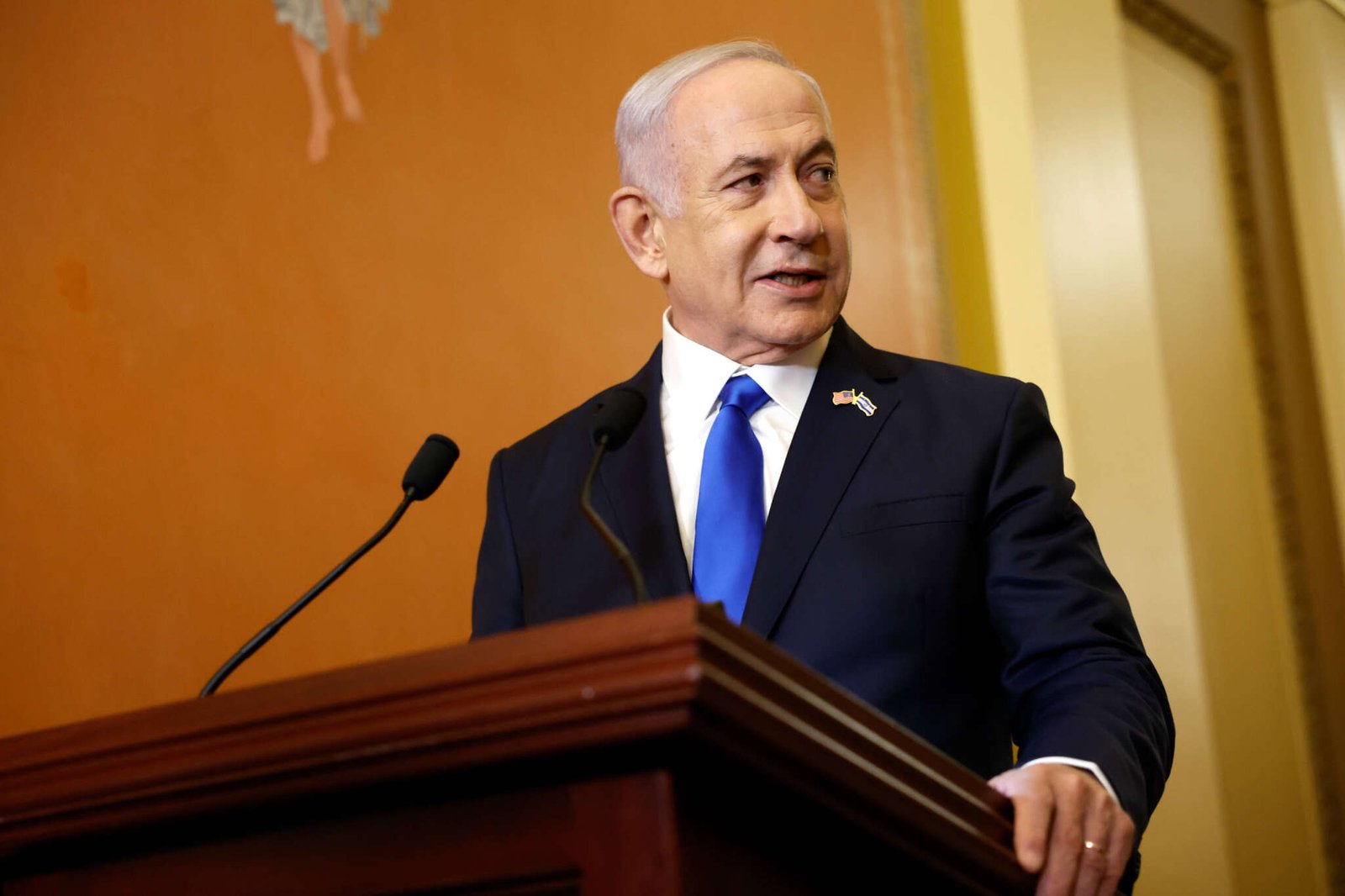
Social media has exploded with claims that Israeli Prime Minister Benjamin Netanyahu was killed during an Iranian missile attack in Tel Aviv. Various unverified posts and video clips suggest that Netanyahu was hit and that National Security Minister Itamar Ben-Gvir was injured.
According to Daljoog News analysis, these posts are part of a rapidly spreading wave of misinformation, amplified by semi-official Iranian media outlets such as Tasnim News. No credible evidence has been presented to support the reports, and major international news organizations have not confirmed them.
The timing of these claims coincides with heightened tensions in the region. Iran, Israel, and the United States are engaged in ongoing hostilities, making it fertile ground for unverified and sensational reports to circulate quickly across social media platforms.
What Happened?
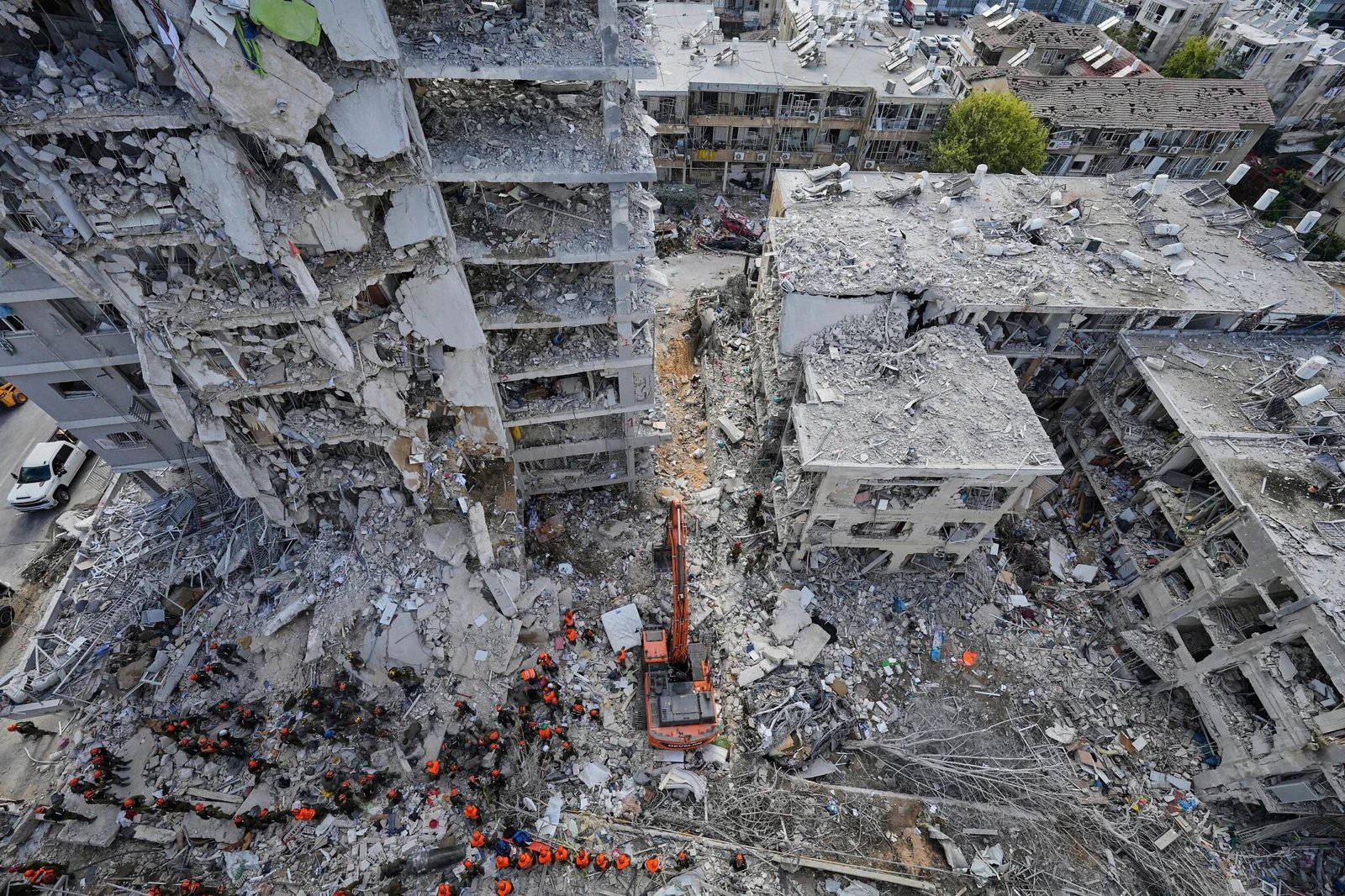
On March 2, several Iranian media outlets reported that a missile strike had destroyed Netanyahu’s office, claiming the prime minister was killed. These stories quickly spread online and were referenced by social media accounts including one attributed to former U.S. intelligence official Scott Ritter. Posts claim that Netanyahu was struck at his official residence while Ben-Gvir was present, sustaining injuries.
Despite repeated circulation, no verifiable evidence has emerged. Chinese media outlet Xinhua and other international sources later described the missile strike reports as rumors. Netanyahu’s office has not issued an official statement confirming any injuries or casualties.
Netanyahu’s most recent public appearance, according to official records, was on March 7. He visited victims injured by Iranian missile attacks in Beersheba, underlining that he was actively performing his duties days after the alleged incident.
Why This Matters
Rumors about the death of a sitting Israeli prime minister have immediate geopolitical significance. Such claims can inflame tensions, mislead international audiences, and create panic both in Israel and among allies monitoring Middle East security developments.
In a region already strained by military exchanges, misinformation can act as a force multiplier, potentially triggering overreactions by governments, security forces, or armed groups. For diplomats and foreign policy analysts, unverified claims complicate an already volatile situation.
Social media amplification of unverified posts also highlights the challenges in controlling narratives during wartime. Rapid sharing of dramatic content, especially from partially state-linked outlets, can overshadow verified reporting and disrupt public understanding.
What Analysts or Officials Are Saying
Security and media experts caution against taking any social media claims at face value. Analysts note that semi-official Iranian media outlets sometimes report strategic messaging or propaganda that may not reflect actual events on the ground.
Officials stress the importance of awaiting confirmation from credible sources. Israeli government channels, including Netanyahu’s office, have continued to function normally, and there has been no announcement of leadership disruption.
Observers also note that rumors about a leader’s death are a known tactic in psychological operations, designed to sow confusion and erode confidence in a government during high-tension military scenarios.
Daljoog News Analysis
Daljoog News monitoring suggests that these claims are highly likely to be misinformation rather than fact. The convergence of social media amplification, semi-official media reporting, and geopolitical tension creates an environment where unverified stories can quickly appear credible.
While Iran’s missile activity in the region is real, there is no independently confirmed evidence of casualties among Israeli leadership. The continued functioning of Netanyahu’s office and public appearances are consistent with a lack of official casualties.
This episode underscores the broader risk of “information warfare” during conflicts. Misinformation can shape public perception, influence policy decisions, and escalate tensions faster than the physical conflict itself.
What Happens Next
Authorities and media outlets will likely continue to monitor social media closely. Verification of claims, including statements from Netanyahu’s office or independent intelligence sources, will be crucial to restoring clarity.
Meanwhile, social media platforms and news consumers face the ongoing challenge of distinguishing between propaganda, rumor, and verified reporting in a rapidly evolving conflict.
The situation also emphasizes the importance of cross-checking all claims, particularly regarding senior officials in conflict zones, before reporting or reacting publicly.