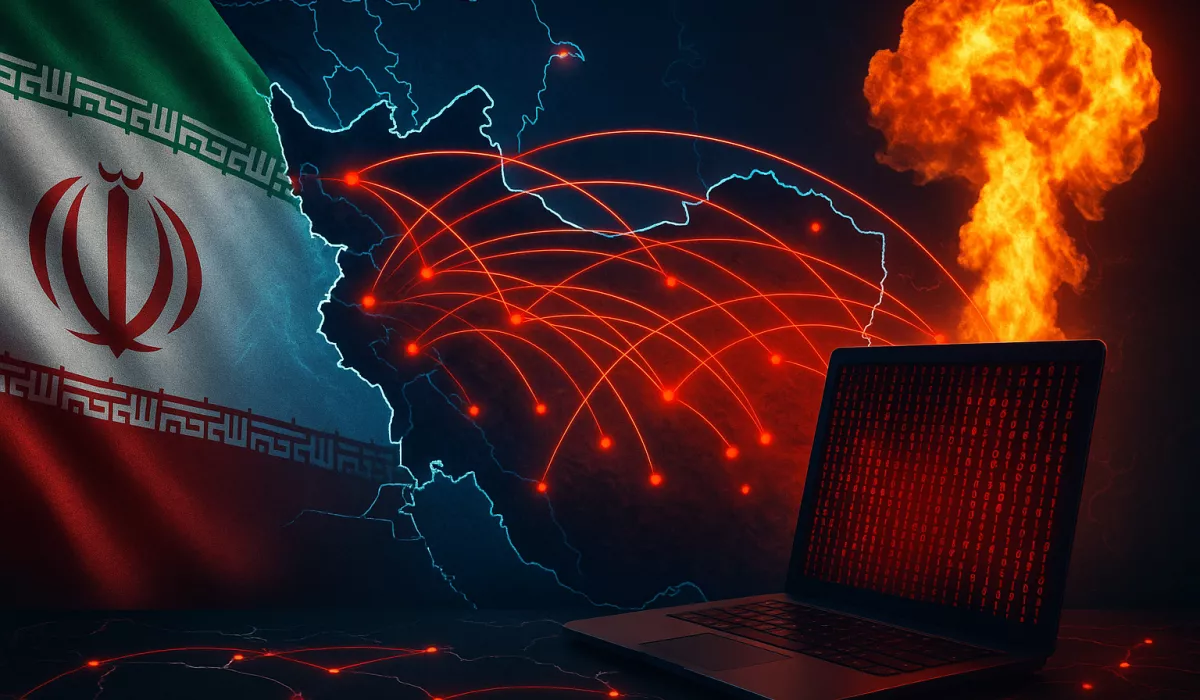

A growing stream of media content linked to the Iran conflict is placing strong emphasis on faith, unity, and ideological resilience as key elements behind the country’s military posture. These narratives frame the ongoing tensions with the United States and Israel as not only a strategic battle, but also a test of belief and collective strength.
According to Daljoog News analysis, such messaging is carefully constructed to reinforce domestic morale while projecting determination to external audiences. It blends religious references with military developments to create a powerful psychological dimension to the conflict.
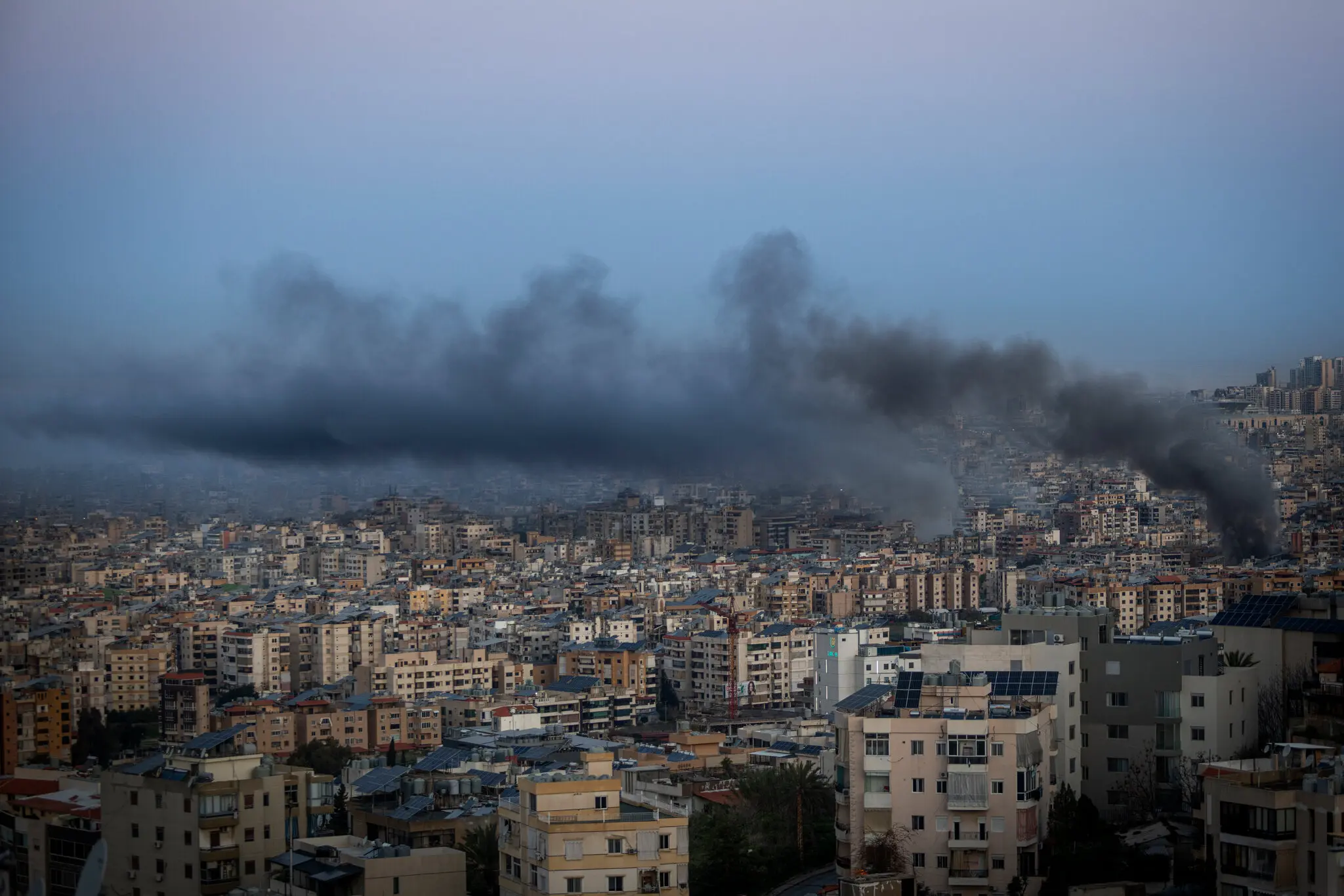
The timing of this narrative push is critical. After weeks of heightened tensions and reported military exchanges in the region, information warfare and public messaging are becoming as significant as battlefield developments.
What Happened?
Over the past month, the Middle East has remained under intense geopolitical strain, with continued friction involving Iran, the United States, and Israel. Alongside reports of military activity, a parallel stream of commentary has emerged highlighting Iran’s internal unity and ideological motivation.
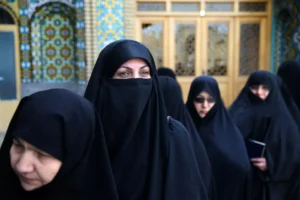
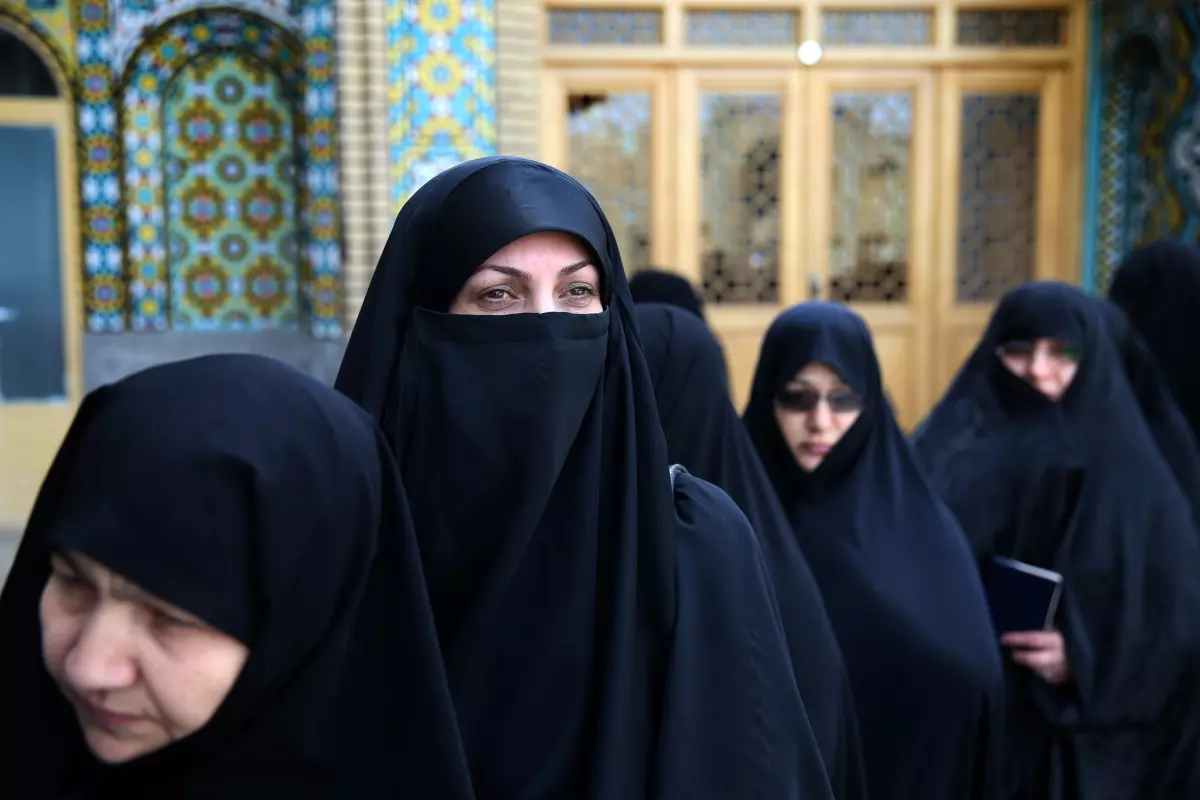
This messaging often draws on religious texts, particularly references to themes of discipline, cohesion, and collective struggle. In these narratives, Iran’s military forces—including elite units and conventional troops—are portrayed as operating in complete alignment, functioning as a unified structure rather than fragmented divisions.
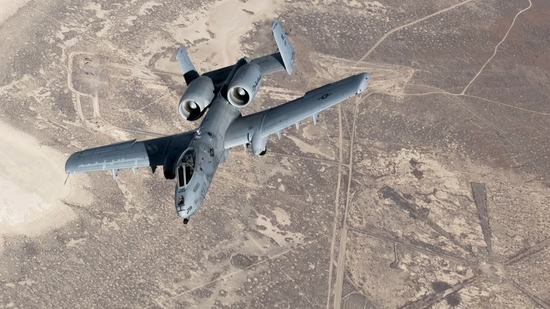
The content has circulated widely across digital platforms, especially in video format. It presents the conflict as asymmetrical, emphasizing the technological superiority of opposing forces while underscoring Iran’s reliance on unity and belief as a counterbalance.
Although such framing is not new in regional conflicts, the intensity and consistency of this messaging suggest a coordinated effort to shape perception both domestically and internationally.
Why This Matters
Narratives built around unity and faith can significantly influence both public opinion and military morale. In conflicts where outcomes are uncertain, psychological strength often plays a crucial role alongside physical capabilities.
For Iran, reinforcing internal cohesion is essential. Sustained external pressure can create vulnerabilities, particularly if public confidence weakens. Messaging that highlights unity helps mitigate that risk by strengthening national identity and collective resolve.
On the global stage, such narratives also serve a signaling function. They communicate to adversaries that pressure alone may not lead to quick strategic gains. This can alter calculations, especially in prolonged or indirect confrontations.
At the same time, the use of religious framing adds complexity. It can deepen ideological divides and make diplomatic resolution more challenging, as conflicts framed in existential or belief-based terms are often harder to de-escalate.
What Analysts or Officials Are Saying
Security observers note that blending religion with military messaging is a longstanding strategy in the region. Analysts suggest that it helps create a sense of purpose that goes beyond immediate political objectives.
Some experts believe this approach is particularly effective in asymmetric conflicts, where one side may lack comparable technological resources. By focusing on unity and resilience, weaker actors can offset certain disadvantages.
Western policy analysts, however, express concern about the broader implications. They argue that narratives rooted in ideological conviction can reduce flexibility in negotiations and increase the risk of prolonged confrontation.
Regional experts also point out that such messaging is not only directed inward. It is designed to influence perceptions across the wider Muslim world, potentially shaping public opinion beyond national borders.
Daljoog News Analysis
The rise of faith-centered war narratives highlights an important shift in how modern conflicts are communicated. Military strength alone is no longer the sole determinant of influence; perception and narrative control are equally critical.
Iran’s messaging strategy appears focused on presenting resilience as its core strength. By emphasizing unity, it seeks to counterbalance narratives that focus on technological or numerical disadvantage. This approach can be effective in maintaining internal stability during periods of sustained pressure.
However, there are risks. When conflicts are framed in deeply ideological terms, they can become harder to resolve through conventional diplomacy. Positions may harden, and compromise can be perceived as weakness rather than strategy.
Daljoog News analysis suggests that while such narratives may strengthen short-term resolve, they could complicate long-term conflict management. The balance between morale-building and escalation is delicate, and missteps can have lasting consequences.
What Happens Next
The role of narrative in the Iran conflict is likely to grow in the coming weeks. As military developments continue, both sides are expected to intensify their messaging efforts to shape public perception and strategic outcomes.
Iran may continue emphasizing unity and ideological strength, while its adversaries could focus on deterrence and technological superiority. This dual-track communication battle will influence not only domestic audiences but also international opinion.
Diplomatic channels remain uncertain. While backdoor discussions are always possible, the increasing use of strong ideological language could limit immediate opportunities for de-escalation.
Ultimately, the next phase of the conflict may depend as much on perception as on physical engagement. How each side frames its position—and how those narratives are received globally—will play a critical role in shaping the trajectory of events.