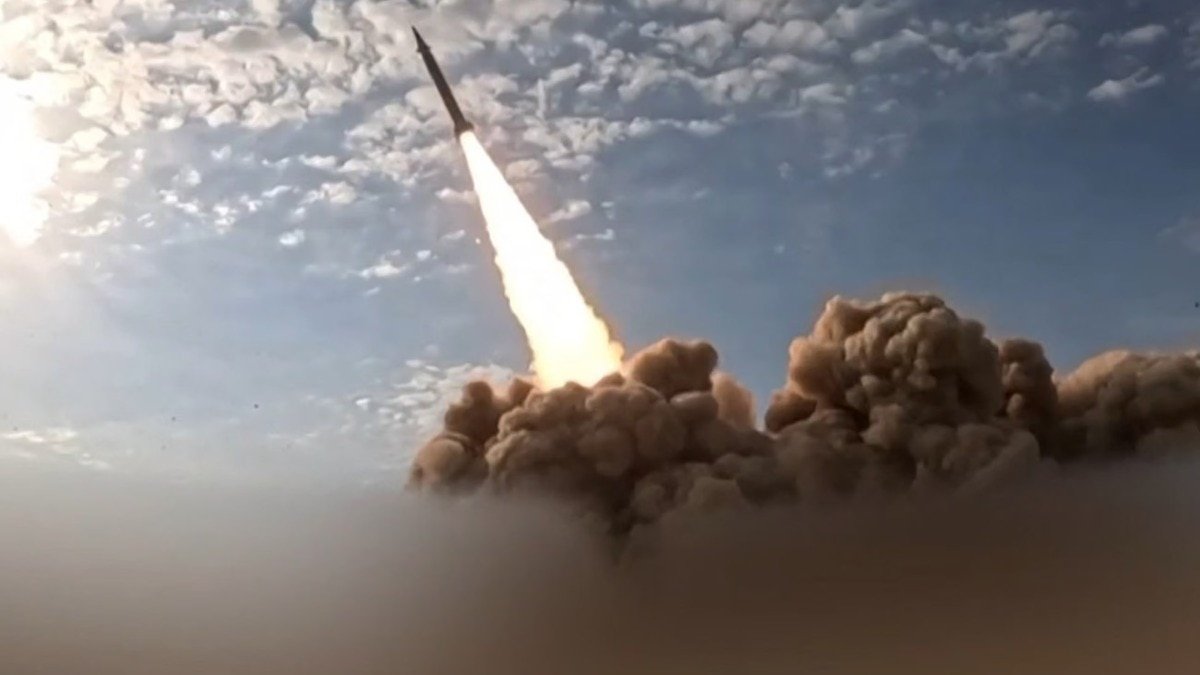



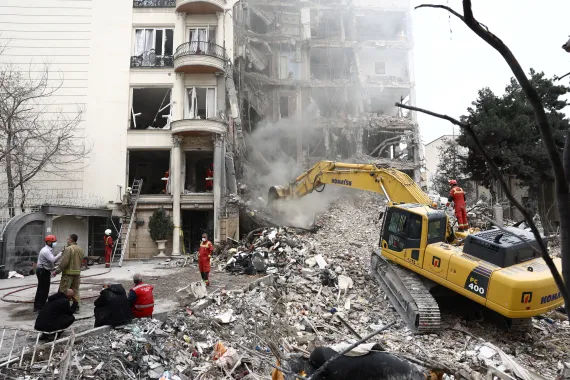
The conflict between Iran and Israel has entered its fourth week, showing no signs of abating. Early in the fighting, Israeli and U.S. strikes inflicted significant damage on Iranian targets, but Tehran has responded with increasingly sophisticated missile attacks, shifting the momentum.
According to Daljoog News analysis, Iran’s sustained counteroffensive demonstrates strategic resilience, catching Israeli forces off guard and challenging U.S. assumptions about the war’s potential trajectory.
The situation has escalated to a point where Iran is reportedly involving children in support roles, a move that underscores the conflict’s intensity and its broader humanitarian implications.
What Happened?
Since the initial hostilities, Iran has launched a series of retaliatory missile strikes that have altered the battlefield dynamics. Early predictions that leadership changes in Tehran might weaken Iranian resolve have proven inaccurate. Tehran continues to maintain a high operational tempo despite pressure from the U.S. and Israel.
In a controversial development, the Iranian Revolutionary Guard Corps (IRGC) announced that children as young as 12 can participate in war-related support activities. This includes roles such as logistical assistance, patrolling, and checkpoint duties under the “For Iran or Iran” initiative, as confirmed by Rahim Natali, a cultural officer of the IRGC’s Tehran division.
According to Natali, many children have volunteered for these programs, prompting the IRGC to lower the minimum participation age to 12. The initiative now allows 12- and 13-year-olds to contribute to auxiliary operations, though they are not assigned direct combat roles.
Why This Matters
The inclusion of children in any military or support capacity raises significant ethical, legal, and security concerns. International human rights organizations classify such practices as violations of the Convention on the Rights of the Child, placing Tehran under scrutiny from global watchdogs.
Daljoog News analysis suggests this step reflects Iran’s recognition that prolonged conflict could strain its adult military forces. By integrating younger participants in non-combat roles, Iran is attempting to maintain operational capacity while signaling determination to sustain its war effort.
What Analysts or Officials Are Saying
Experts point out that Iran has previously involved minors in conflict-related activities. During domestic unrest in 2022, children were observed performing support duties in security operations. While Tehran frames the current program as voluntary and non-combatant, international bodies warn it exposes children to risk and normalizes militarized involvement at a young age.
Observers note that Israel now faces significant operational pressure. The presence of highly motivated Iranian forces, combined with auxiliary support from younger participants, complicates efforts to achieve rapid resolution and increases the likelihood of a drawn-out confrontation.
Daljoog News Analysis
This development highlights the intersection of strategy, resource constraints, and ideological commitment in Iran’s war approach. By mobilizing children for support roles, Iran preserves frontline personnel while demonstrating both domestic cohesion and international defiance.
From a geopolitical standpoint, Tehran’s move also challenges U.S. and Israeli assumptions about leverage and conflict duration. The international backlash may be severe, but it underscores how states under military pressure can deploy unconventional strategies to maintain operational resilience.
What Happens Next
The coming weeks will be critical in determining the scope and impact of child involvement. International monitoring bodies are expected to increase scrutiny, and pressure on Tehran may rise through diplomatic channels. On the battlefield, Israel continues to contend with intensified missile strikes and logistical disruptions, while the U.S. engages in ongoing discussions to mediate or de-escalate the conflict.
Daljoog News analysis concludes that this conflict is evolving beyond conventional warfare. Iran’s inclusion of minors in support roles signals both the intensity of the confrontation and the potential for protracted instability, with serious implications for regional security and human rights.