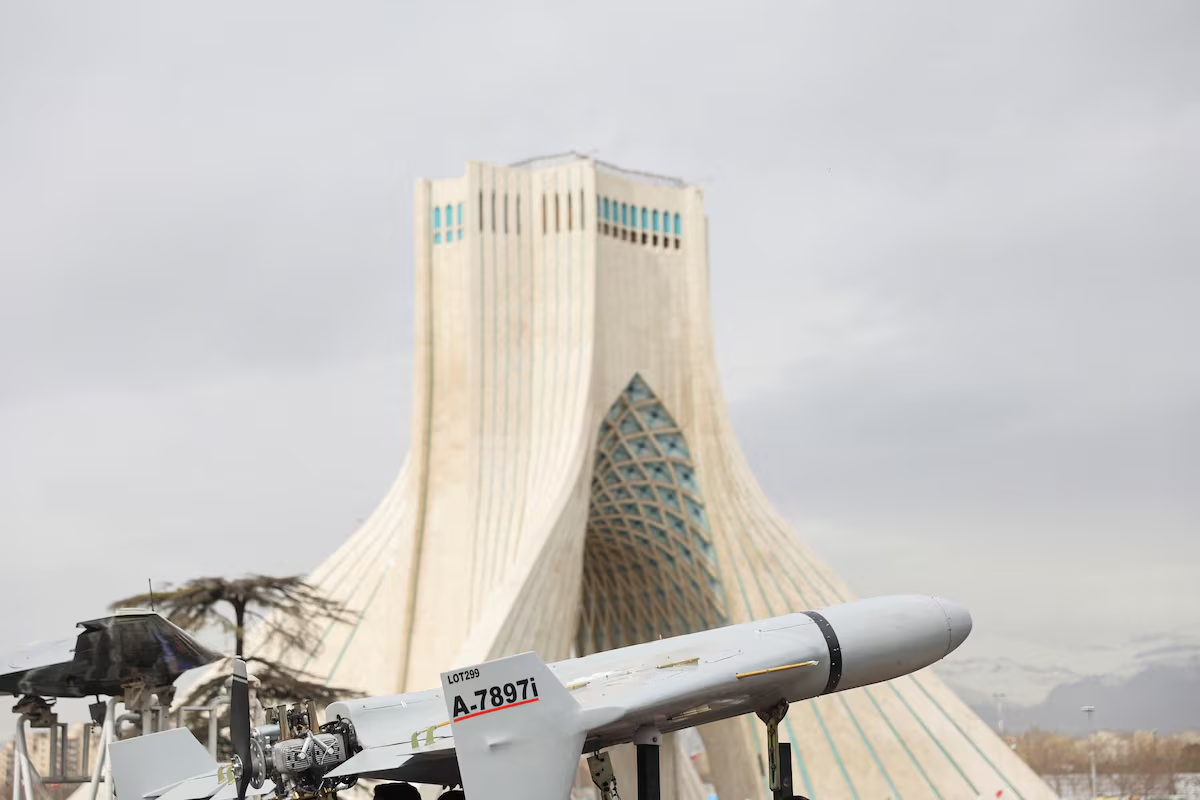



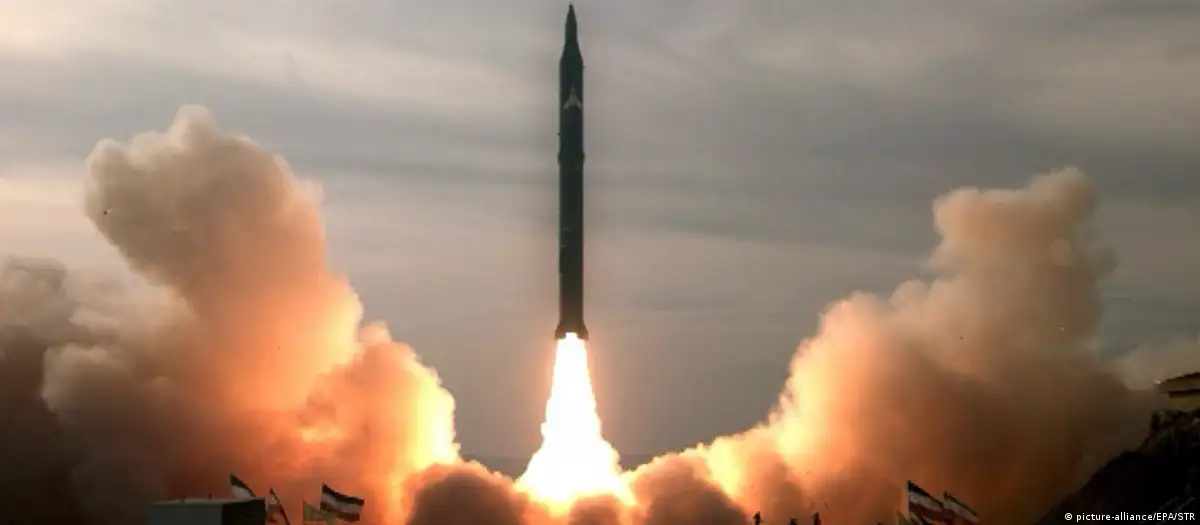
On the 16th day of escalating hostilities, Iran announced the deployment of its hypersonic Sejjil missile against Israeli targets. The strike is part of Operation True Promise Four.
According to Daljoog News analysis, the use of Sejjil represents a major leap in Tehran’s missile capabilities, aiming to strike high-value military infrastructure while testing Israel’s aerial defenses.
The attack underscores the intensifying conflict in the region, as Iran continues to target key Israeli defense and operational centers, raising concerns about broader stability.
What Happened?
Iran’s Revolutionary Guard Corps launched a series of powerful missiles, including the Sejjil, Khorramshahr, and other heavy munitions, dedicated to the memory of fallen Iranian soldiers. The targets included Israeli air operation centers, military installations, and defense industry hubs.
Despite strict Israeli media restrictions on reporting, videos circulated on social media show extensive fires and destruction in parts of Tel Aviv, indicating the effectiveness of the Iranian strike. Israeli authorities attempted to control coverage, limiting the release of images and footage to minimize public awareness of the damage.
The missile campaign also reportedly struck multiple security and administrative centers in central Israel, including police headquarters, while the Revolutionary Guard emphasized targeting strategic sites linked to Israel’s military coordination and intelligence networks.
Why This Matters
The deployment of the Sejjil missile represents a significant escalation in Iran’s strategic capabilities. Unlike previous ballistic missiles, hypersonic weapons travel at extreme speeds and can evade conventional defense systems, putting Israel’s aerial defenses under unprecedented strain.
For Israel, these attacks not only threaten military infrastructure but also raise the risk to civilian areas and essential services. The operational success of the Sejjil signals that Iran can deliver precise, high-impact strikes deep into Israel, challenging existing defense doctrines.
Analysts note that repeated missile strikes erode Israel’s defensive readiness, potentially forcing reallocation of resources and heightening regional tension.
What Analysts or Officials Are Saying
Experts highlight that Iran’s targeting of key command centers and military infrastructure demonstrates a sophisticated understanding of Israel’s vulnerabilities. The Sejjil’s introduction shows Iran’s capability to modernize its missile arsenal with weapons capable of evading interception.
Israeli defense specialists have confirmed that while short-range defenses like Iron Dome remain effective, advanced long-range threats such as the Sejjil require new countermeasures. The strike’s scale also reflects Iran’s intent to assert strategic pressure without engaging in conventional ground combat.
Daljoog News Analysis
Iran’s use of hypersonic technology marks a turning point in regional military dynamics. It signals a shift from conventional missile exchanges to high-speed precision strikes capable of penetrating advanced defenses.
The attack also serves as a psychological instrument, amplifying fear and uncertainty among Israeli populations and military personnel. Combined with strategic targeting of operational and communication hubs, Iran is leveraging both technological and tactical advantages to maximize pressure.
This development illustrates that missile warfare in the Middle East is entering a new phase, where speed, accuracy, and strategic targeting outweigh mere numerical superiority.
What Happens Next
Israel is expected to reassess its missile defense strategy, potentially seeking advanced interceptors capable of countering hypersonic threats. Coordination with U.S. allies will likely intensify to replenish and upgrade defensive capabilities.
Iran may continue to deploy advanced missiles in targeted strikes, further testing Israel’s response capacity. Observers will watch closely for any escalation that could expand the conflict beyond current theaters, affecting regional and international security dynamics.
The situation highlights the urgent need for technological adaptation in missile defense and emphasizes the evolving nature of warfare in the 21st century.